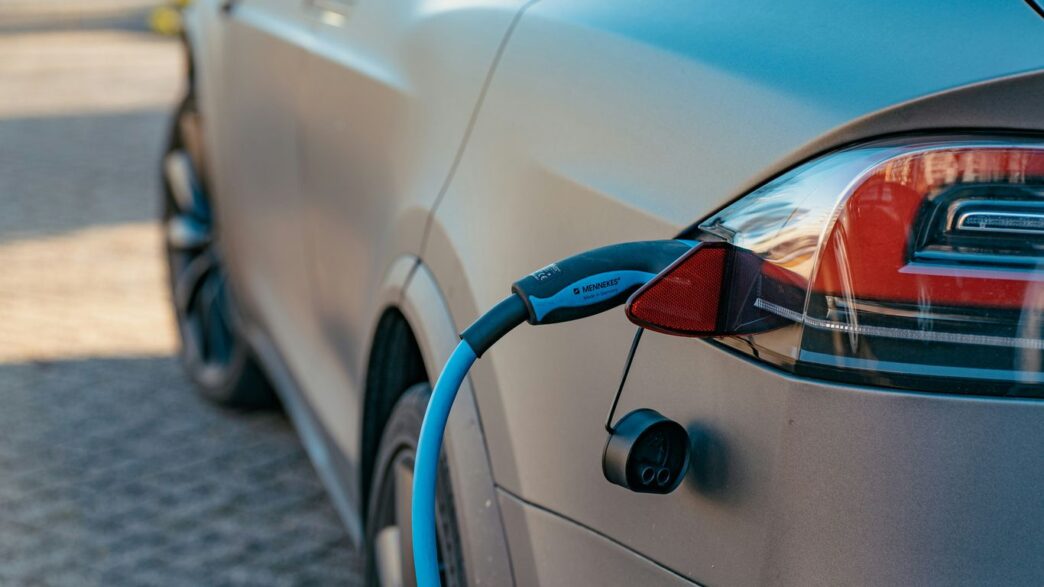
So, you’re thinking about a Tesla, huh? Maybe you’re wondering how long these electric cars will actually last. It’s a fair question, especially with all the talk about batteries and fancy tech. We’re going to dig into what the real tesla life span looks like, past the hype, by looking at what owners are actually experiencing. By 2026, we’ll have a clearer picture of how these vehicles hold up over time, considering everything from daily driving to the long-term effects of their advanced features.
Key Takeaways
- Many Model Y owners report good longevity, but some deal with common issues like suspension stiffness and quick tire wear.
- Cybertruck owners sometimes face unique challenges, including being targeted and minor repair frustrations, though they generally don’t feel unsafe.
- Battery health is a big factor in a Tesla’s lifespan, and replacement costs are a consideration for long-term ownership.
- Software glitches and the reliability of advanced features over years of use can impact the overall vehicle lifespan and owner satisfaction.
- Maintenance plays a role in how long a Tesla lasts, with specialized repair costs and insurance rates being important financial factors for owners.
Assessing The Tesla Life Span: Beyond Initial Impressions
When you first get a Tesla, it feels like you’re driving the future. Everything is sleek, quiet, and packed with tech. But what happens after a few years? That’s the real question, right? We’re looking beyond the shiny new car smell to see how these vehicles actually hold up over time, especially as we head into 2026.
Model Y Owner Experiences: Longevity And Annoyances
Lots of folks have been driving the Model Y for a while now, and the feedback is pretty mixed. On the one hand, many owners are hitting 30,000 to 60,000 miles and still calling it the best EV they’ve ever owned. They love the overall package. But it’s not all smooth sailing. Some common complaints pop up more often than you’d think.
- Suspension Stiffness: A number of drivers mention the ride can be a bit harsh, especially on rougher roads. It’s something you get used to, but it’s definitely noticeable.
- Tire Wear: Teslas, like many EVs, can be a bit heavy on tires. Owners report needing replacements sooner than they expected.
- Phantom Braking: This one’s a bit spooky. Some drivers experience sudden, unexpected braking, even when there’s nothing in front of them. It’s unsettling and can make you question the car’s systems.
- Glass Issues: We’ve heard about stress cracks appearing on Model Y windshields without any obvious impact, leading to some hefty repair bills even when the car is under warranty. Tesla Service sometimes denies coverage, which is a real headache.
Cybertruck Ownership: Unique Challenges And Perceptions
The Cybertruck is a whole different beast. It’s polarizing, for sure, and ownership comes with its own set of quirks. It’s not just about the looks; the practical side has some interesting points.
- Insurance Costs: Getting insurance for a Cybertruck can be surprisingly expensive. We’re seeing quotes that are significantly higher than for other luxury vehicles, even for drivers with a clean record. For example, a 62-year-old driver in the Detroit suburbs was quoted over $8,000 a year, nearly triple what they pay for a Mercedes S550.
- Maintenance and Cleaning: Simple things can become complicated. One owner was denied a car wash plan because of the truck’s unique finish. Also, small issues, like a loose rubber trim piece under the frunk, might require replacing a more expensive part.
- Power Loss Incidents: There have been reports of Cybertrucks losing all power, including hazard lights and tow mode, due to battery failures. This highlights potential risks in software-dependent systems and emergency design gaps.
- Perceived Target: Some female Cybertruck owners mention feeling like they’re singled out when driving the truck, though they generally don’t feel unsafe. It’s more about the attention the vehicle draws.
Evaluating The True Tesla Life Span In 2026
So, what does all this mean for the actual lifespan of a Tesla in 2026? It’s clear that while the core electric powertrain is built to last, the overall ownership experience is shaped by a mix of impressive technology and some persistent, sometimes costly, annoyances. Battery health is a big factor, of course, but so are the reliability of the complex software and the availability of specialized repair services. We’re seeing that the initial excitement of owning a Tesla needs to be balanced with a realistic look at long-term durability, repair costs, and the evolving nature of the vehicle’s technology. It’s not just about how long the battery lasts, but how the entire car performs and what it costs to keep it running smoothly year after year.
Factors Influencing Tesla Durability And Longevity
When we talk about how long a Tesla might stick around, it’s not just about one big thing. A bunch of different pieces fit together to decide if your car will be a road warrior for years or start giving you grief sooner than you’d like. It’s kind of like figuring out how long a new gadget will last – you gotta look at more than just the shiny exterior.
Battery Health And Replacement Considerations
The battery is, without a doubt, the heart of any electric car, and Teslas are no different. While Tesla batteries are built to last, they aren’t immortal. Over time, like any rechargeable battery, they lose some of their capacity. This means you might not get as much range on a full charge as you did when the car was new. Tesla’s battery management system does a pretty good job of slowing this down, but it’s still a factor.
- Degradation: Expect a gradual decrease in maximum range over the years. Most owners report losing a small percentage in the first few years, then it slows down.
- Replacement Costs: If a battery does fail or degrade significantly outside of warranty, replacement can be a big expense. We’re talking thousands of dollars, though prices have been coming down.
- Warranty: Tesla offers a solid battery warranty, typically 8 years or 100,000 miles (whichever comes first), guaranteeing a certain percentage of original capacity. This covers most early-life issues.
Software And Hardware Reliability Over Time
Teslas are basically computers on wheels. This means software updates can add new features or fix bugs, which is pretty cool. But it also means that sometimes, software glitches can pop up, affecting everything from the infotainment screen to driving assist features. Hardware, like the screens, cameras, and sensors, can also have issues. We’ve seen reports of screens going blank or cameras malfunctioning, sometimes requiring costly replacements. The reliance on software for so many functions means that keeping your car’s systems up-to-date and functioning correctly is key to its long-term usability.
Impact Of Advanced Features On Vehicle Lifespan
Features like Autopilot and Full Self-Driving (FSD) are big selling points, but they also add complexity. These systems involve numerous cameras, sensors, and powerful computers. While they’re designed to be robust, more components mean more potential points of failure. For instance, a malfunctioning camera or sensor could impact the performance of these advanced driver-assistance systems, and in some cases, even affect basic driving functions if the system is deeply integrated. The constant evolution of these features through software updates also means that older hardware might eventually struggle to keep up, potentially leading to a feeling of obsolescence or requiring hardware upgrades down the line.
Real-World Wear And Tear On Tesla Vehicles
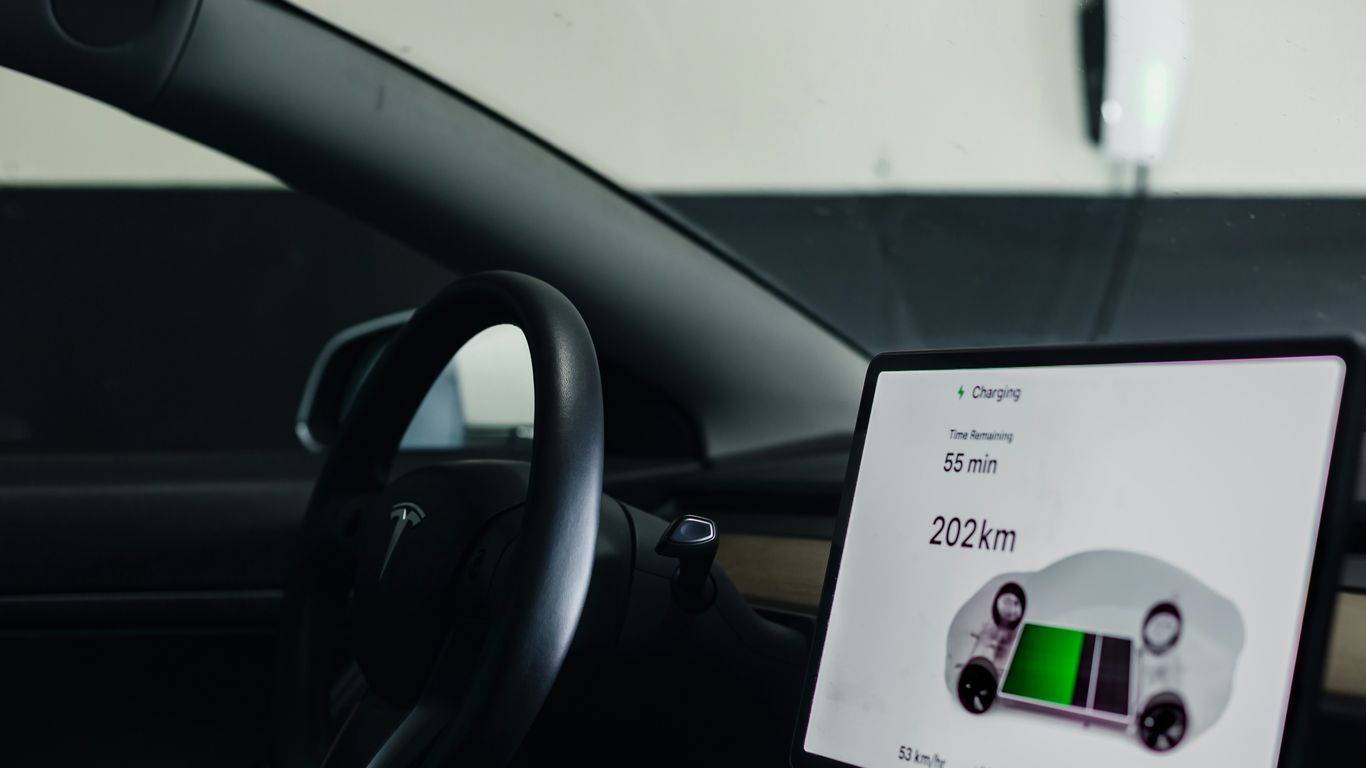
So, you’ve got your shiny new Tesla, and it feels like the future. But what happens after a few years of daily driving? Like any car, Teslas experience wear and tear. It’s not just about the big stuff like battery degradation; it’s the everyday things that add up.
Tire Wear and Suspension Stiffness in Daily Driving
One of the first things many Tesla owners notice is how quickly the tires can wear down. The instant torque from those electric motors, especially on performance models, can really chew through rubber. Plus, the weight of the battery pack means Teslas are heavier than comparable gas cars, which also puts more stress on the tires and suspension components. Some owners report a noticeable stiffness in the suspension over time, particularly after hitting potholes or rough roads. It’s not uncommon to see reports of needing new tires sooner than expected, sometimes every 15,000-20,000 miles, depending on driving habits and tire choice. This is a significant factor when considering the long-term cost of ownership, as tires aren’t cheap, and neither is the labor to replace them.
Common Issues Affecting Tesla’s Long-Term Performance
Beyond tires, other parts can show their age. We’re seeing reports of issues like the dreaded "stress crack" on Model Y windshields, sometimes appearing without any obvious impact, which can be a real headache if it’s not covered by warranty. Then there’s the electronic side of things. Some owners have experienced failures with the main computer, leading to loss of critical functions like cameras, navigation, and even Autopilot. Repairs for these can run into the thousands of dollars. For the Cybertruck, early reports suggest some minor, but annoying, issues like loose trim pieces. These aren’t necessarily deal-breakers, but they do point to areas where durability might be a concern over many years. It’s also worth noting that some advanced features, like certain versions of Full Self-Driving, might perform demonstrably worse on older hardware, prompting upgrades that add to the overall cost.
The Role of Maintenance in Extending Tesla Life Span
While Teslas don’t need oil changes, they aren’t maintenance-free. Regular checks are still important. This includes:
- Tire rotations and balancing: Helps ensure even wear and extends tire life.
- Brake fluid checks: Even with regenerative braking, brake fluid can degrade over time.
- Cabin air filter replacement: Important for air quality inside the car.
- Wiper blade replacement: Essential for visibility.
- Suspension and steering component inspections: Especially if you drive on rough roads.
Following the recommended service schedule, even for these simpler items, can make a difference in how long your Tesla performs well. It’s also about being proactive. If you notice something feels off, like a new squeak or a change in handling, getting it checked out sooner rather than later can prevent a small issue from becoming a big, expensive one. For those considering a used Model 3 in 2026, understanding these wear-and-tear factors is key to making a smart purchase Model 3 reliability.
Future Outlook For Tesla Vehicle Lifespan
Thinking about how long a Tesla will actually last is getting more interesting, especially as we look ahead to the coming years. It’s not just about the battery anymore, though that’s still a big piece of the puzzle. We’re seeing new tech pop up all the time, and that’s bound to change things.
Anticipating The Tesla Life Span In The Coming Years
Right now, many Teslas are hitting that 5-10 year mark, and owners are starting to see what really holds up and what doesn’t. The early models, like the Model S and Model X, are showing us how these cars age. We’re hearing about battery replacements becoming more common, but also about how software updates can sometimes breathe new life into older cars. It’s a mixed bag, really. Some folks are keeping their Teslas for a long time, happy with the ongoing support, while others are running into issues that make them think twice.
Technological Advancements And Their Effect On Durability
Tesla is always pushing the envelope with new tech. Think about the Cybertruck, for example. Its stainless steel body is supposed to be super tough, but we’re still learning about its long-term durability. Then there’s the constant evolution of their battery tech. Newer batteries are expected to last longer and charge faster, which will definitely impact how long a Tesla is considered viable. Plus, advancements in self-driving capabilities and overall software integration could mean that even as the physical car ages, its functionality might stay cutting-edge for longer. The real question is how well these complex systems will hold up over decades of use and updates.
The Long-Term Value Proposition Of Tesla Ownership
When you buy a Tesla, you’re not just buying a car; you’re buying into an ecosystem. The ongoing software updates, the expanding Supercharger network, and the potential for future autonomous driving features all play a role in the car’s long-term value. Even if repair costs can be high, especially for specialized parts or labor, the resale value of Teslas has often remained strong, partly due to this continuous innovation. As more affordable EVs enter the market, Tesla will need to keep proving that its vehicles offer a superior long-term experience, not just in terms of miles driven, but in overall utility and technological relevance. It’s a balancing act between initial cost, maintenance, and the evolving capabilities of the vehicle.
So, What’s the Verdict on Tesla’s Lifespan in 2026?
Looking at everything, it’s clear that Tesla’s story in 2026 is still being written. While some owners are loving their cars and racking up miles, others are dealing with unexpected costs and quirks, from insurance headaches to repair bills. The Cybertruck, in particular, has had a bit of a bumpy start, with questions about who’s actually buying them. Plus, the whole EV market is shifting, with gas prices going up and more affordable options popping up. It seems like Tesla is still a major player, but it’s not all smooth sailing. Whether it’s the battery life, software issues, or just the general cost of ownership, there are definitely things to think about before you jump in. It’s a mixed bag out there, and what works for one person might not work for another.
Frequently Asked Questions
How long do Tesla batteries usually last?
Tesla batteries are designed to last a long time, often for many years and hundreds of thousands of miles. While they do lose some capacity over time, many owners find they still have plenty of range left even after many years of use. Tesla also offers an 8-year warranty on most of their battery packs, giving owners peace of mind.
What are common issues with Tesla vehicles as they get older?
Like any car, Teslas can have some issues as they age. Some owners report things like needing new tires more often, suspension feeling a bit stiff, or occasional software glitches. Sometimes, specific parts like door handles or trim pieces might need attention, but these are usually manageable.
Are Teslas expensive to repair?
Repair costs for Teslas can sometimes be higher than for traditional cars because they use specialized parts and require technicians with specific training. Simple issues like a door ding might cost more to fix if the repair shop needs to use Tesla’s specific labor rates, and insurance companies don’t always cover these higher costs.
Does software affect how long a Tesla lasts?
Yes, software plays a big role! Tesla vehicles get regular software updates that can improve performance, add new features, and even fix problems. However, sometimes older hardware might not support the newest software features, or a software issue could temporarily affect how the car works.
Is the Cybertruck different in terms of lifespan and issues?
The Cybertruck is a unique vehicle, and its lifespan and potential issues are still being figured out. Some owners have reported minor problems like loose trim or concerns about battery failures. Its tough stainless-steel body might handle dents differently, but like any new model, there’s a learning curve for owners and repair shops.
How does charging affect a Tesla’s lifespan?
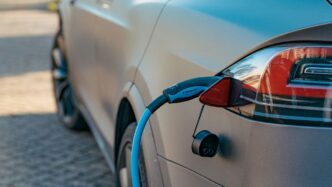
Using Tesla’s Supercharger network or charging at home with a Level 2 charger is generally good for the battery. While fast charging is convenient, very frequent use of the fastest charging methods might slightly speed up battery wear over many years compared to slower charging. However, Tesla’s battery management systems are designed to minimize this.