Understanding Subaru’s Hands-Free Driving Assist
Subaru is rolling out a new feature called Highway Hands-Free Assist, and it’s designed to make those long drives on the highway a bit less tiring. Think of those stretches on Highway 401 or Highway 400 where you’re just cruising along for miles. This system aims to help out by taking over some of the steering and speed control, but it’s really important to know what it does and, just as importantly, what it doesn’t do. This is not a self-driving car; you, the driver, are still in charge.
How Highway Hands-Free Assist Functions
When you’re on a designated highway and the system is active, the 2026 Subaru Outback can steer itself to stay in the lane and follow the car in front. It can handle speeds up to about 135 kilometers per hour, which covers most highway driving. It uses a bunch of cameras and sensors to see the lane lines and other vehicles. The idea is to reduce how much you have to constantly adjust the steering wheel, especially on straighter sections of road. It’s meant to make those long trips feel a little easier on your arms and your focus.
Driver Supervision Requirements
Even though it’s called "hands-free," you absolutely cannot take your hands off the wheel and zone out. The system needs you to pay attention the whole time. There’s a camera inside that watches your eyes and head to make sure you’re looking at the road. If it thinks you’re not paying attention, it will give you warnings. You have to be ready to grab the wheel and take over at any second. It’s there to assist you, not to let you nap or watch a movie.
Assistive Technology, Not Autonomous Driving
This is a key point. Highway Hands-Free Assist is a tool to help you drive, not a replacement for you. It’s part of Subaru’s EyeSight suite of technologies, which includes things like adaptive cruise control and lane centering. The driver is always responsible for the car’s safety. The system helps with the physical effort of driving on highways, but all the decision-making and responsibility remain with the person behind the wheel. It’s about reducing fatigue, not handing over control.
The Technology Behind the System
So, how does this new hands-free system actually work? It’s not magic, it’s a pretty smart combination of cameras and sensors that Subaru has been refining for a while. The 2026 Outback is getting the latest version of Subaru’s EyeSight Driver Assist Technology, and that’s the heart of it all.
Latest-Generation EyeSight Capabilities
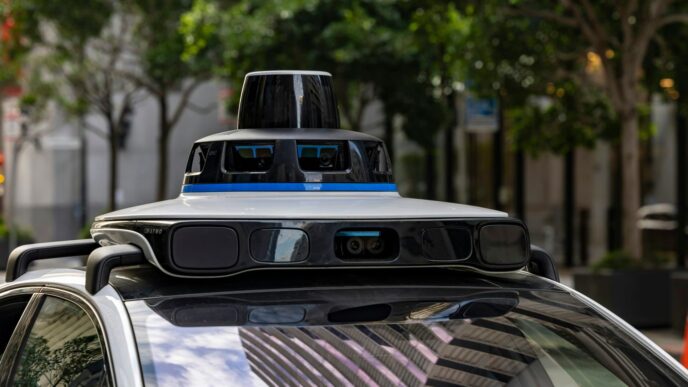
This isn’t just one camera anymore. Subaru has packed in three forward-facing cameras for the new EyeSight system. Think of it like giving the car better vision – a wider field of view means it can see more, further down the road and at wider angles. This helps it spot other cars, people, and potential hazards much earlier. On top of the cameras, they’ve added radar sensors. These are great because they work reliably no matter how dark it is or if there’s a bit of spray from the road. The radar helps the system accurately judge distances and speeds of other vehicles, which is pretty important for smooth driving.
Enhanced Sensor Suite for Improved Performance
Putting those cameras and radar sensors together gives the system a really solid understanding of what’s happening around the car. It’s constantly looking at lane markings, checking out the traffic ahead, and figuring out where the vehicle is within its lane. This combined sensing is what allows the system to make those small steering adjustments needed to keep you centered, even on gentle curves. It’s all about building a detailed picture of the driving environment so the car can react appropriately.
Core EyeSight Features Explained
Beyond just the hands-free part, the EyeSight system on the new Outback includes a few other helpful features that work together:
- Pre-Collision Braking: If the system thinks a front-end crash is coming and you don’t react, it can automatically hit the brakes.
- Adaptive Cruise Control: This keeps you at a set speed and maintains a safe distance from the car in front, slowing down and speeding up as needed.
- Lane Centering: This is the feature that actively keeps the car in the middle of the lane on highways.
- Lane Departure Warning & Lane Sway Warning: These alert you if you start drifting out of your lane without signaling, or if the car starts weaving erratically, which could mean you’re getting tired.
- Haptic Steering Wheel: This is a neat one. Instead of just beeping, the steering wheel itself will vibrate to get your attention if there’s a warning. It’s a different way to make sure you don’t miss an important alert, even if the radio is loud.
The combination of these advanced sensors and smart software is what makes the hands-free driving assist possible, but remember, it’s still designed to assist you, not drive for you.
Key Features for Enhanced Safety
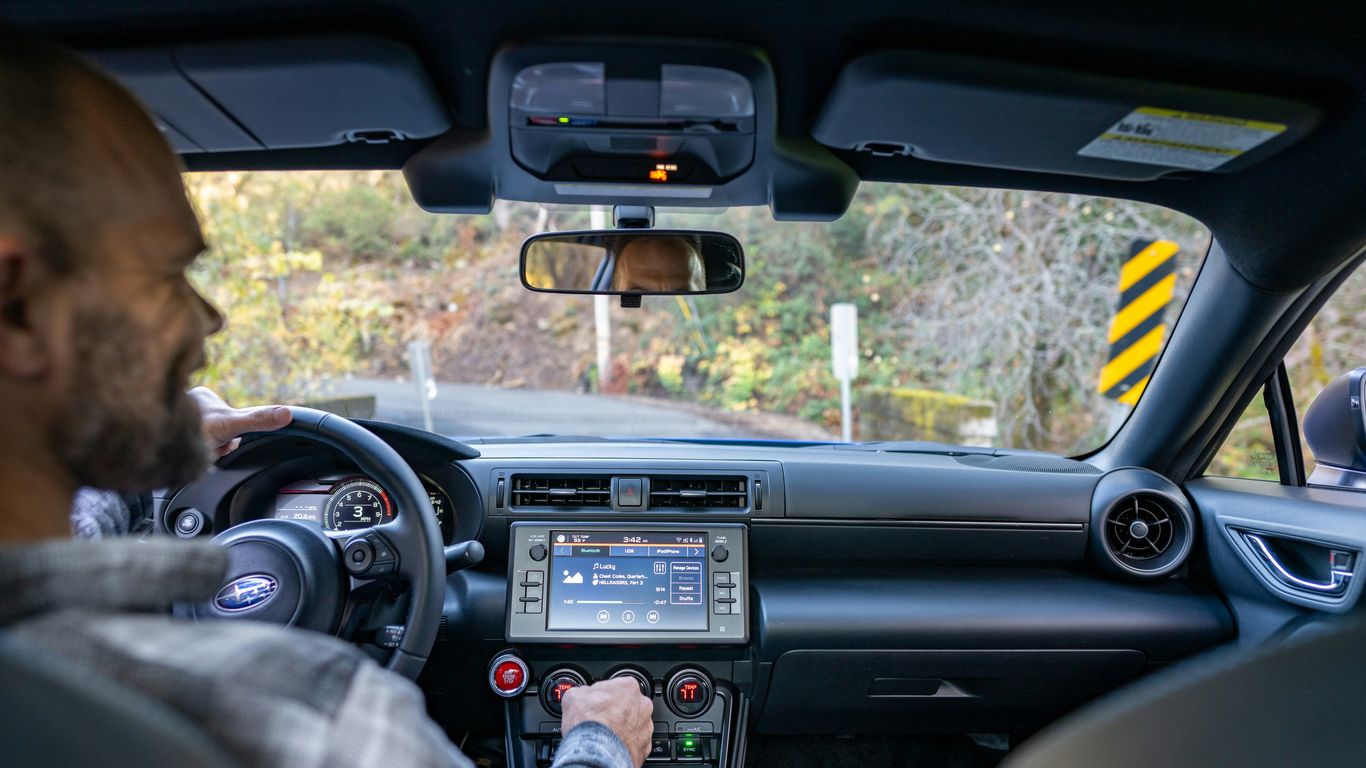
Subaru’s latest hands-free driving assist system packs some pretty neat safety features designed to help out when you need it most. It’s not just about making highway driving easier; it’s about adding layers of protection.
Emergency Stop Assist with Safe Lane Selection
This is a big one, and it’s new for Subaru. Imagine you’re on a long drive, using the hands-free system, and something happens – maybe you feel unwell or suddenly can’t respond. That’s where Emergency Stop Assist with Safe Lane Selection comes in. The system keeps an eye on you, checking if you’re still interacting with the driving controls. If it notices you’re unresponsive to its warnings, it takes action. First, it tries to get your attention with louder alerts. If that doesn’t work, and if the road is clear, it will try to move the car over to the shoulder. Once it finds a safe spot, it brings the vehicle to a complete stop. After stopping, it automatically turns on the hazard lights and, through Subaru’s STARLINK system, calls emergency services, letting them know where you are. The doors also unlock, which is helpful for first responders. It’s like a safety net for those unexpected, serious moments.
Pre-Curve Speed Control for Curve Navigation
Driving on highways often means dealing with curves, right? This feature is designed to make those transitions smoother and safer. When you’re using the hands-free system and approaching a curve, Pre-Curve Speed Control automatically adjusts your speed before you enter the turn. It uses map data to figure out how sharp the curve is and then slows you down to a more comfortable speed for that specific turn. The braking is gradual, so it doesn’t feel jerky. Once you’re out of the curve, it lets the car return to your set speed. This means you don’t have to constantly fiddle with the cruise control yourself, letting you focus more on watching the road and other cars.
Haptic Steering Wheel for Driver Alerts
Sometimes, you might miss a visual or audible warning, especially if the radio is loud or you’re looking at something else for a second. The haptic steering wheel adds another way to get your attention. If the system needs to alert you about something important – like needing you to take back control or warning you about a potential hazard – the steering wheel will vibrate. It’s a physical nudge that can be really effective in making sure you don’t miss critical information. It’s all about using different senses to keep you aware and engaged.
Operational Parameters and Limitations
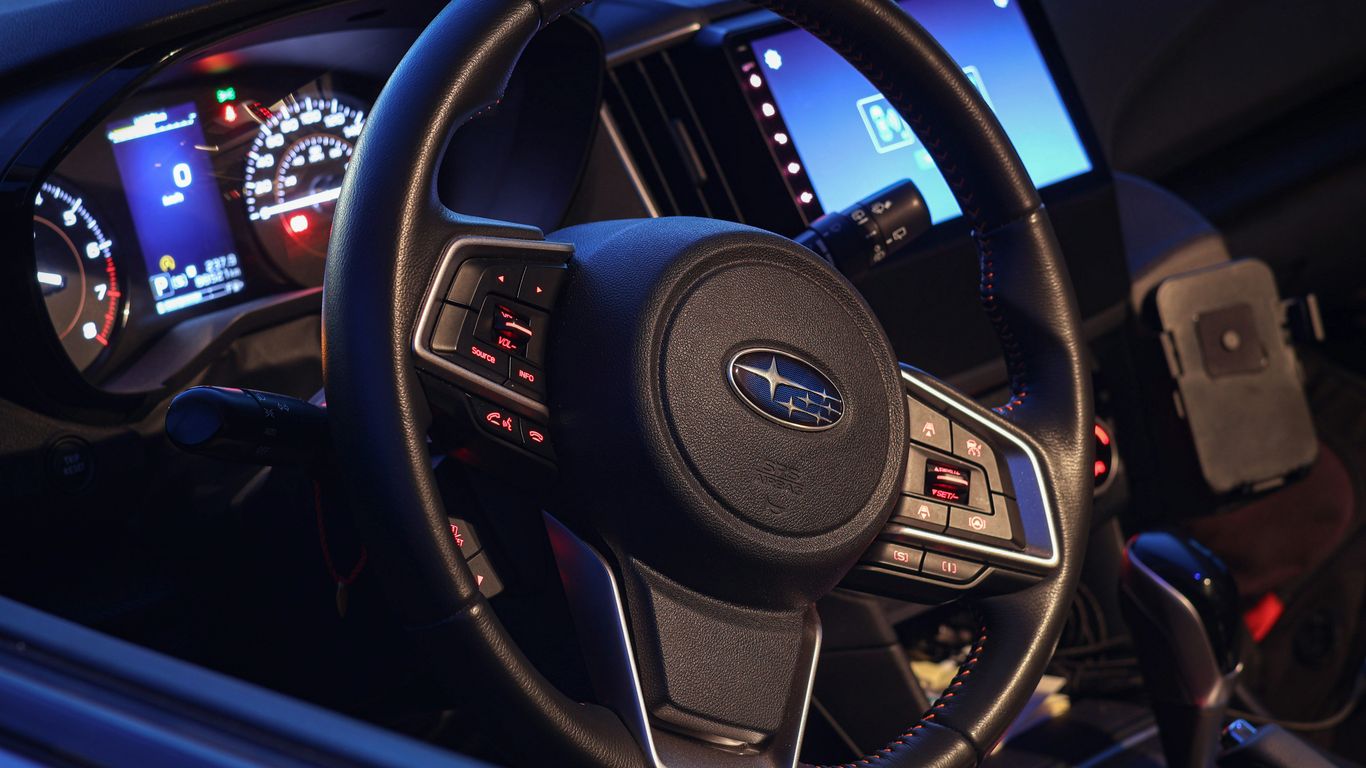
So, this hands-free driving assist sounds pretty neat, right? But like anything new, it’s got its own set of rules and things you need to keep in mind. It’s not like you can just kick back and take a nap.
Designated Highway Operation Only
First off, this system is strictly for highways. We’re talking about roads like the 401 or the 400, where the lanes are clear and traffic is generally moving at a steady pace. Don’t expect it to work on your local streets, in construction zones, or anywhere the road markings are faded or confusing. The cameras and sensors need a good, clear picture to do their job. If the road conditions aren’t up to snuff, the system will let you know and won’t engage.
Mandatory Driver Attention and Monitoring
Even though it’s called "hands-free," your hands still need to be ready to jump back on the wheel. The system has a camera that watches your eyes and head. If it thinks you’re not paying attention – maybe you’re looking at your phone or drifting off – it’ll give you a warning. If you don’t respond, it’ll disengage and hand the driving back to you. It’s there to help, not to replace you.
Impact of Weather Conditions on Performance
Bad weather is another big factor. Heavy rain, snow, thick fog, or even just a lot of spray from other cars can mess with the sensors and cameras. When visibility is low or the road surface is compromised, the system might not be able to work reliably. It’ll likely tell you it’s unavailable or shut itself off until conditions improve.
Manual Intervention and System Override
This is pretty straightforward. If you need to take over for any reason – maybe a car cuts you off or you see something unexpected – you just do it. Touching the steering wheel, hitting the brakes, or even just pressing the accelerator will immediately disengage the hands-free mode. The system is designed to be easily overridden so you’re always in control when it matters.
Benefits for Long-Distance Travel
Long road trips can really take it out of you, right? Spending hours on the highway, just keeping the car pointed straight and at the right speed, can be surprisingly tiring. Subaru’s hands-free driving assist is designed to help with that. It’s all about making those extended drives a bit less of a grind.
Reducing Driver Fatigue on Extended Journeys
Think about those long stretches on roads like the 401 or the 400. You’re mostly going straight, but you still have to keep your hands on the wheel, making constant little adjustments. This system takes some of that physical effort away. By handling the steering on designated highways, it lets you relax your grip a bit. This doesn’t mean you can zone out – you still have to pay attention – but it can really cut down on how tired your arms and shoulders get. It’s like having a co-pilot for the steering wheel, letting you focus more on the road ahead and less on the constant micro-corrections.
Support for Unexpected Emergencies
This is a big one, especially if you’re driving alone. The system includes an Emergency Stop Assist feature. If something unexpected happens, like a sudden medical issue where you can’t react, the car can bring itself to a safe stop. It’s designed to detect when the driver isn’t responding. Once stopped, it can even automatically turn on the hazard lights and, through Subaru’s connected services, call for help and unlock the doors for first responders. It’s a safety net that offers some peace of mind for those times when you’re far from home and something goes wrong.
Streamlining Routine Driving Tasks
Beyond just steering, the system helps with other bits that can add up on a long drive. Features like Pre-Curve Speed Control are pretty neat. When you’re approaching a curve on the highway, the car can automatically slow down a bit before you get into it, and then speed back up afterward. This means fewer times you have to manually adjust your cruise control. It makes the ride smoother, especially on highways with lots of turns, and lets you concentrate more on watching other cars and the general traffic flow instead of fiddling with speed settings.
Availability and Future Outlook
So, when can you actually get your hands on this new Subaru tech? The 2026 Subaru Outback is slated to hit dealerships in late 2025. That’s not too far off, which is exciting! Now, about the Highway Hands-Free Assist feature itself – it won’t be on every single Outback model. Subaru plans to make it available on specific trim levels. They haven’t released the exact list of which trims will get it, or how much extra it might cost, but they say more details will come out closer to the launch date. So, keep an eye out for that information as we get nearer to the end of next year.
When the 2026 Subaru Outback Arrives
As mentioned, the 2026 Outback is expected to go on sale in late 2025. This is when you’ll start seeing the new models roll into dealerships across the country. It’s always a good idea to check with your local dealer for the most up-to-date information on arrival dates in your specific area, as sometimes things can shift a little.
Trim Level Availability for Hands-Free Assist
Subaru is rolling out the Highway Hands-Free Assist on select trims of the 2026 Outback. While the full breakdown of which trims will include this feature is still under wraps, it’s likely to be found on higher-end models. This is pretty standard practice for new, advanced technology in the automotive world. We’ll have to wait for Subaru to officially announce the trim-specific details, but it’s something to consider when you’re looking at different Outback options.
Information and Demonstrations at Dealerships
Once the 2026 Outback is officially available, your local Subaru dealership will be the best place to get all the nitty-gritty details. They’ll have trained staff ready to explain exactly how the Highway Hands-Free Assist works, what its limits are, and how it fits into the overall EyeSight suite of safety features. Many dealerships will also offer demonstration drives, allowing you to experience the system firsthand on designated routes. This is a great opportunity to ask all your questions and see if this technology is the right fit for your driving habits. Don’t hesitate to ask for a demo; seeing it in action is the best way to understand it.
Wrapping It Up
So, Subaru’s new Highway Hands-Free Assist is pretty interesting, especially for those long drives we all dread sometimes. It’s not about letting the car drive itself, mind you. It’s more like a co-pilot for the highway, helping out with the steering so you can focus a bit more on the road ahead. Remember, you still need to pay attention and be ready to take over. It’s a neat piece of tech that could make those marathon trips a little less tiring. We’ll have to see how it really feels once it’s out there, but it’s definitely a step in a direction that many drivers will probably appreciate.