The world of health technology is always changing, and knowing where the money is going is key for anyone involved. We’re seeing a lot of new ideas pop up, from digital tools that help manage our health to advanced ways of finding out what’s wrong and treating it. This article looks at the big picture of health technology investment, covering what’s new, how decisions are made, and what investors are looking for. It’s a complex area, but understanding these trends can help us all make better choices.
Key Takeaways
- Digital health solutions are becoming a bigger deal, with more money flowing into apps and platforms that help people manage their health and connect with providers.
- Investments are shifting towards new ways to diagnose diseases faster and develop better treatments, including personalized medicine based on our genes.
- When deciding where to put money, it’s important to look at technologies that can make a real difference in patient care and fit with what local communities actually need.
- Understanding what investors expect and the real-world challenges startups face is vital for success in the health technology market.
- Using data smartly and keeping an eye on future trends through horizon scanning helps make better health technology investment choices and prepare for what’s next.
Emerging Trends Shaping Health Technology Investment
The health tech world is really buzzing right now, and it feels like things are changing faster than ever. We’re seeing a lot of new ideas pop up that are changing how we think about healthcare, and investors are definitely paying attention. It’s not just about new drugs anymore; it’s a whole spectrum of innovations.
The Growing Role of Digital Health Solutions
This is a big one. Think about apps that help you track your fitness, telehealth services that let you see a doctor from your couch, or even wearable devices that monitor your heart rate. These digital tools are making healthcare more accessible and convenient. They’re also helping people take a more active role in managing their own health. It’s not just about treating sickness; it’s about staying well. We’re seeing a shift towards preventative care, and digital health is leading the charge. This means more data is being collected, which can help doctors spot problems earlier.
Advancements in Diagnostics and Therapeutics
Beyond the digital side, there’s a lot happening with actual medical treatments and how we diagnose diseases. New imaging techniques are getting better at spotting issues, and lab tests are becoming more precise. On the treatment front, we’re seeing more targeted therapies that focus on specific parts of a disease, which can mean fewer side effects. It’s a complex area, but the goal is always to find ways to help people get better, faster, and with less discomfort.
Personalized Medicine and Genomics Investments
This is where things get really interesting. We’re learning more about how our individual genetic makeup affects our health. This means treatments can be tailored specifically to you, rather than a one-size-fits-all approach. Investing in genomics, which is the study of genes, is a huge part of this. It’s about understanding the blueprint of life to create more effective and personalized health solutions. This area holds a lot of promise for treating complex conditions and even preventing them before they start.
Strategic Prioritization in Health Technology Assessment
So, you’ve got all these new health gadgets and treatments popping up, right? It’s exciting, but also a bit overwhelming. How do you even begin to figure out which ones are actually worth looking into for your healthcare system? That’s where strategic prioritization comes in. It’s basically a way to sort through the noise and focus on the innovations that are most likely to make a real difference.
Identifying High-Impact Technologies
When we’re talking about identifying the big hitters, it’s not just about picking the shiniest new thing. We need to be smart about it. Think about technologies that could really change how we do things, not just tweak them a little. We’re looking for innovations that offer a significant leap forward in patient care or system efficiency. It’s also super important to consider if a technology actually fits what your local community needs. A fancy new treatment for a rare disease might be amazing, but if it’s not relevant to the health issues your population faces, it’s probably not the best use of resources right now. We also have to be realistic about the cost – some technologies might be great, but if they’re going to break the bank, that’s a problem.
Here are some things to keep in mind when picking what to look at:
- Does it offer a major improvement? Think transformative, not just incremental.
- Does it solve a local problem? Is it relevant to the health needs of the people you serve?
- What’s the price tag? Can the system afford it, now and in the long run?
- How big is the health issue it addresses? Is it a widespread concern or a niche problem?
Aligning Innovation with Local Health Needs
This is a big one. It’s easy to get caught up in what’s happening globally or what the latest research papers are talking about. But if a new technology doesn’t actually help with the specific health challenges your community is dealing with, it’s kind of pointless, isn’t it? We need to make sure that the innovations we’re considering are a good fit for the local context. This means understanding the common diseases, the demographics, and the existing healthcare infrastructure. It’s about making sure that the technology serves the people it’s supposed to help, not just following a trend.
The Importance of Clinical and Budget Impact
Once you’ve got a shortlist of promising technologies, the next step is to really dig into what they mean for both patient care and the finances. On the clinical side, you need to ask: How will this actually affect patients? Will it make them healthier, improve their quality of life, or make treatments easier? This isn’t just about whether it works, but how well it works compared to what we’re already doing. Then there’s the budget. We need to see a clear picture of the costs involved, not just the initial purchase price, but also ongoing maintenance, training, and any potential savings down the line. Sometimes a more expensive technology can actually save money if it reduces hospital stays or the need for other, more costly treatments. It’s a balancing act, for sure.
Navigating the Investment Landscape
So, you’ve got a great idea in health tech, maybe a new diagnostic tool or a digital platform to help patients. That’s awesome. But how do you actually get it funded? It’s not always straightforward, and honestly, it can feel like a bit of a maze sometimes. You’ve got investors with their own ideas of what’s a good bet, and then you’ve got the reality of building a company, which is, well, hard work.
Investor Expectations and Startup Realities
Investors are looking for a few key things. They want to see a clear path to making money, a strong team that knows what they’re doing, and a product that actually solves a real problem. They’re often thinking about how big the market is and if your company can grab a good chunk of it. On the flip side, startups are dealing with product development, regulatory hurdles, and trying to get their first customers. It’s a constant balancing act. The biggest disconnect often happens around timelines and the amount of capital needed to reach the next milestone.
Key Challenges and Bright Spots in MedTech Funding
Funding can be tough. Getting that first round of investment is notoriously difficult, and even established companies can struggle if the market shifts. Regulatory approvals can take ages and cost a fortune, which scares off some investors. Plus, the sheer number of health tech companies out there means it’s a crowded field. But there are bright spots! Digital health, AI-driven diagnostics, and personalized medicine are still hot areas. Investors are actively looking for innovations that can make healthcare more efficient or effective. Think about areas like remote patient monitoring or AI that helps doctors spot diseases earlier – those are getting attention.
Leveraging Data for Investment Strategy
This is where things get interesting. Instead of just guessing, investors are increasingly using data to make smarter decisions. They look at market trends, competitor performance, and even patent filings to spot opportunities. For startups, having solid data to back up your claims is super important. It shows you’ve done your homework. Using platforms that track investments, company performance, and market activity can really help.
Here’s a quick look at what investors might be tracking:
- Market Size: How big is the potential customer base?
- Growth Rate: Is this market expanding quickly?
- Competitive Landscape: Who else is out there, and how are you different?
- Regulatory Pathway: How complex and time-consuming is approval?
- Team Experience: Does the leadership have a track record of success?
It’s all about making informed choices in a fast-moving field.
The Evolving Role of Horizon Scanning
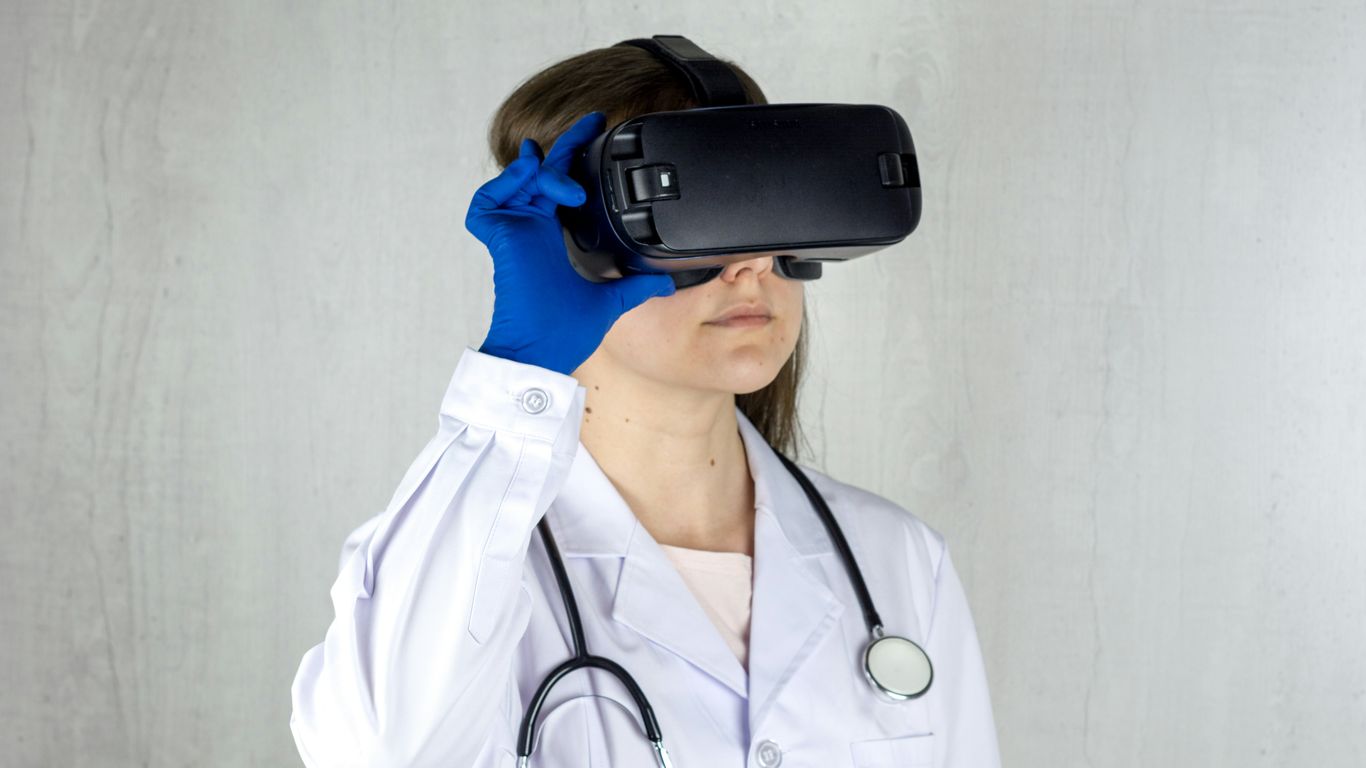
It feels like every day there’s some new gadget or treatment popping up, right? Keeping track of all that in healthcare is a huge job. That’s where horizon scanning comes in. Think of it as a way for health systems to peek into the future, spotting new technologies before they’re even fully developed or widely available. It’s not just about finding the shiny new things, though. It’s also about figuring out if these new tools will actually help people, if they’ll fit into our existing healthcare setup, and if we can afford them. Without this kind of foresight, we risk being caught off guard by innovations that could either revolutionize care or drain our resources.
Anticipating Future Health Technologies
So, how do we actually spot these future technologies? It’s a bit like being a detective. We look at research trends, what companies are investing in, and even what problems doctors and patients are talking about. The goal is to get a sense of what’s on the horizon, whether it’s a new drug, a diagnostic tool, or a digital health app. This process helps us prepare, rather than just react when something suddenly appears.
Integrating Horizon Scanning into HTA Processes
Now, how does this fit into the bigger picture of Health Technology Assessment (HTA)? HTA is all about deciding which technologies are worth adopting. Horizon scanning feeds into this by providing an early warning system. It helps HTA bodies identify technologies that are likely to become important soon. This means they can start thinking about how to evaluate them, what data they’ll need, and what questions to ask, even before the technology is ready for prime time. It’s about making the HTA process more proactive and less reactive.
Addressing Barriers to Adoption
Of course, it’s not always smooth sailing. One big hurdle is that there aren’t always clear rules or methods for doing horizon scanning. Different countries or organizations might do it in totally different ways, which can make it hard to compare findings. Plus, getting everyone – from researchers and companies to doctors and patients – to talk to each other early on can be tough. Building trust and sharing information across different groups is key to making sure that when a new technology does arrive, we’re ready to adopt it wisely and fairly.
Fostering Collaboration and Trust in Health Technology
Building new health technologies is one thing, but getting them to people who need them is another. It really comes down to working together and making sure everyone trusts each other along the way. Think about it – if a new medical device or drug is being developed, who needs to be involved? Patients, doctors, hospitals, the companies making it, and the government agencies that approve things. That’s a lot of different groups, and they all have their own perspectives and goals.
The Significance of Early Dialogue
Getting everyone talking early on is a big deal. It’s like planning a big trip with friends; if you don’t discuss where you’re going and what you want to do beforehand, you’re probably going to end up with some unhappy campers. In health tech, this means manufacturers, regulators, and healthcare providers should chat before a product is even close to being ready. This early chat helps make sure the research is pointed in the right direction, matching what doctors actually need in their practice and what patients are looking for. It can also help avoid surprises down the road, like finding out a promising new treatment won’t actually fit into the hospital’s budget or workflow.
Stakeholder Engagement for Equitable Adoption
Making sure new health tech is fair for everyone is super important. This means not just listening to the big companies or the government, but really hearing from patients and their families, as well as the doctors and nurses on the front lines. They know what it’s like to deal with illnesses day in and day out. When these groups are part of the conversation from the start, we can figure out if a new technology will actually help the people who need it most, and if it can be used in a way that doesn’t leave anyone behind. It helps make sure that innovations benefit communities, not just a select few.
Building Trust Between Industry and Regulators
This is a tough one, but it’s key. There’s often a bit of a gap between the companies that want to sell new products and the agencies that have to make sure they’re safe and effective. To bridge that gap, we need more openness. This means clear rules about how decisions are made and making sure everyone can see what’s going on. When both sides are upfront about what they expect and what they’re doing, it makes it a lot easier to build that trust. It’s like any relationship, really – honesty and clear communication go a long way. Without it, getting new, helpful technologies out there becomes a much slower and more difficult process.
Global Perspectives on Health Technology Investment
When we talk about health tech investment, it’s easy to get stuck thinking about what’s happening in just one or two places. But the reality is, health systems and the technologies that serve them are incredibly diverse across the globe. What works in a high-income country might not be the best fit for a region with fewer resources, for example. So, understanding these differences is pretty important if you’re looking at the bigger picture of where the money is going and where it should go.
Adapting Strategies to Regional Health Systems
Different regions have vastly different needs and capacities. A country dealing with a high burden of infectious diseases will prioritize different innovations than one focused on managing chronic conditions in an aging population. It’s not just about the diseases, though. Think about the infrastructure – do hospitals have reliable internet? Are there enough trained professionals to use complex new equipment? Investment strategies really need to be tailored to these local realities, not just copied from elsewhere. For instance, a region with limited funds might focus on technologies that improve primary care access or reduce the need for expensive hospital stays, rather than cutting-edge, high-cost treatments.
The Impact of International Regulatory Standards
Regulatory bodies like the FDA in the US and the EMA in Europe set a high bar for approving new drugs and devices. While this is great for safety and efficacy, it can also create a bit of a bottleneck. Technologies that get approved in these major markets often get the most attention and investment first. However, this doesn’t always mean they are the most relevant or accessible for other parts of the world. Some regions might have their own regulatory pathways, or they might look to approvals from other trusted agencies. It’s a complex dance, trying to balance global standards with local needs and the speed at which new innovations are emerging.
Forecasting Future Pharmaceutical Products
Looking ahead, predicting what kinds of drugs and treatments will be in demand is a huge part of investment. This involves a lot of ‘horizon scanning’ – essentially, trying to spot trends before they become mainstream. Are we going to see more gene therapies? What about AI-driven drug discovery? Companies and investors are constantly trying to get ahead of the curve. This isn’t just about guessing; it involves analyzing research pipelines, understanding disease patterns, and even looking at what governments are prioritizing. The goal is to invest in the medicines and therapies that will actually make a difference and be adopted by health systems worldwide in the coming years.
Looking Ahead
So, what does all this mean for the future of health tech? It’s clear that things are moving fast. We’re seeing a lot of new ideas and technologies pop up, and investors are definitely paying attention. But it’s not just about the shiny new gadgets; it’s about making sure these advancements actually help people and fit into our existing healthcare systems. Figuring out which technologies are worth the investment and how to bring them into practice smoothly is the next big challenge. It’s going to take smart planning and a lot of cooperation between different groups to make sure we’re heading in the right direction, making healthcare better and more accessible for everyone.