Understanding The Core Concepts: Automation vs. Robotics
Defining Automation: The Broad Spectrum of Task Execution
When we talk about automation, we’re really talking about using technology to get jobs done with less human input. It’s a pretty wide net. Think of it as setting up systems, processes, or even just machines that can run on their own, following a set of instructions or reacting to certain conditions without someone constantly looking over their shoulder. It’s not always about clunky robots, either. Sometimes, it’s just smart software handling repetitive office work, like sorting through emails or updating spreadsheets. Other times, it’s the complex network of controllers in a factory that make sure every step of production happens in the right order and at the right time. The main idea is to make things run smoother, faster, and with fewer mistakes.
Introducing Robotics: The Realm of Programmable Machines
Robotics, on the other hand, is a bit more specific. It’s all about the design, building, and use of robots. What’s a robot? Generally, it’s a machine that can be programmed to do things, often in the real world, and sometimes on its own. These aren’t just simple machines; they’re usually built to perform complex tasks. A key thing about robots is that they can physically interact with their surroundings. They have arms, grippers, or other tools to move things, assemble parts, or even perform delicate operations. Plus, they’re usually built to be flexible. You can reprogram them to do different jobs as needed, which is a big deal when production lines change.
Key Differences: Scope, Form, and Purpose
So, what’s the big takeaway? Automation is the broader concept of making tasks happen with less human effort, and it can take many forms, including software. Robotics is a specific type of automation that involves physical, programmable machines designed to interact with the world.
Here’s a quick look:
- Automation: Aims to increase efficiency and reduce errors across various tasks, which might not involve physical machines at all.
- Robotics: Focuses on creating physical machines (robots) that can perform tasks, often with a degree of autonomy and the ability to be reprogrammed for different jobs.
While robotics is a powerful tool within the world of automation, not all automation relies on robots. Understanding this difference helps us see how these technologies work together to shape the way we produce things today.
The Distinct Nature of Automation
Defining Automation: The Broad Spectrum of Task Execution
When we talk about automation, we’re really talking about using technology to get jobs done with less human input. It’s a pretty wide net. Think of it as setting up systems, processes, or even just machines that can run by themselves, following a set of instructions or reacting to certain conditions without someone constantly looking over their shoulder. It’s not always about clunky robots, either. Sometimes, it’s just smart software doing repetitive office work, like sorting through emails or updating spreadsheets. It’s all about making things run smoother and faster.
Automation’s Primary Goal: Efficiency and Error Reduction
The main point of automation is to make things more efficient and cut down on mistakes. By letting machines or software handle tasks, especially the repetitive ones, you can speed things up a lot. Plus, machines don’t get tired or distracted like people do, so they tend to be more consistent. This means fewer errors and a more predictable output. It’s about getting more done, with better quality, and often at a lower cost.
Automation Beyond Physical Machines: Software and Processes
It’s easy to picture automation as just robots on an assembly line, but it’s much bigger than that. A lot of automation happens in the digital world. Software programs can automate tasks that don’t involve any physical movement at all. Think about things like:
- Robotic Process Automation (RPA): This is software that mimics human actions to perform digital tasks. It can log into applications, move files, fill in forms, and extract data. No physical robot involved, just code.
- Workflow Automation: This involves setting up a series of steps for a process to follow automatically. For example, when a customer order comes in, the system automatically updates inventory, sends a confirmation email, and schedules shipping.
- Business Process Management (BPM) Tools: These help map out and automate complex business processes, making sure everything flows correctly from start to finish.
Types of Automation: Fixed, Programmable, and Flexible
Automation isn’t one-size-fits-all. There are different ways to set it up, depending on what you need:
- Fixed Automation: This is usually for high-volume production of a single product. The equipment is set up in a specific way and doesn’t change much. Think of a simple bottling line. It’s very efficient for its one job but not adaptable.
- Programmable Automation: This is more common in manufacturing. The equipment can be reprogrammed to handle different products or variations. You can change the sequence of operations or the product it makes, but it takes time to switch over.
- Flexible Automation: This is the most advanced type. It combines aspects of programmable automation with the ability to switch between different products with very little downtime. It’s like having a highly adaptable production line that can handle a variety of tasks without major retooling.
The Specifics of Robotics
When we talk about robotics, we’re zeroing in on a very particular kind of technology: programmable machines designed to do physical work. These aren’t just automated tools; they’re complex systems that can sense, think (in a limited way), and act in the real world. Robots are the tangible, often mobile, and always reprogrammable workhorses of the automated world. They’re built to interact with their environment, whether that’s picking up a part, welding a seam, or navigating a warehouse.
Robots: Tangible, Reprogrammable, and Interactive
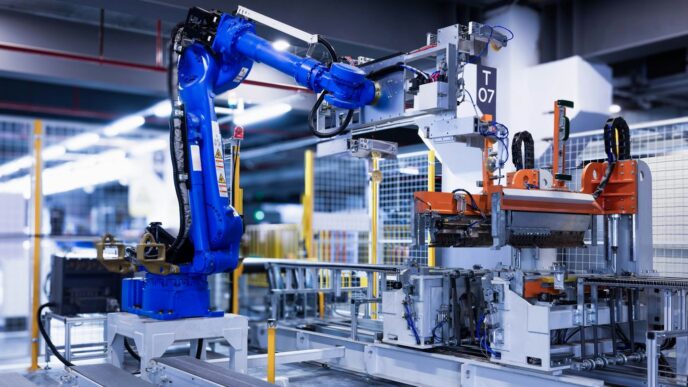
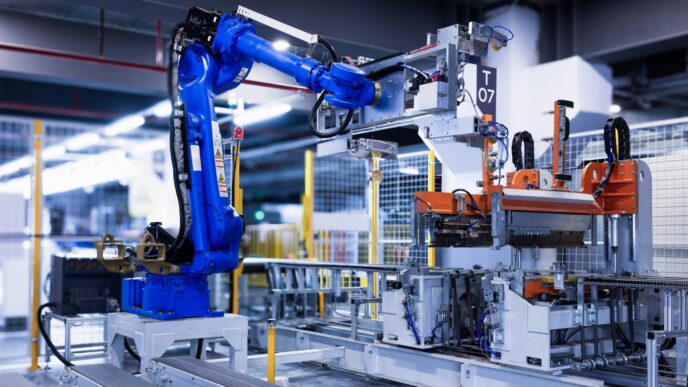
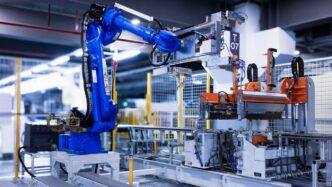
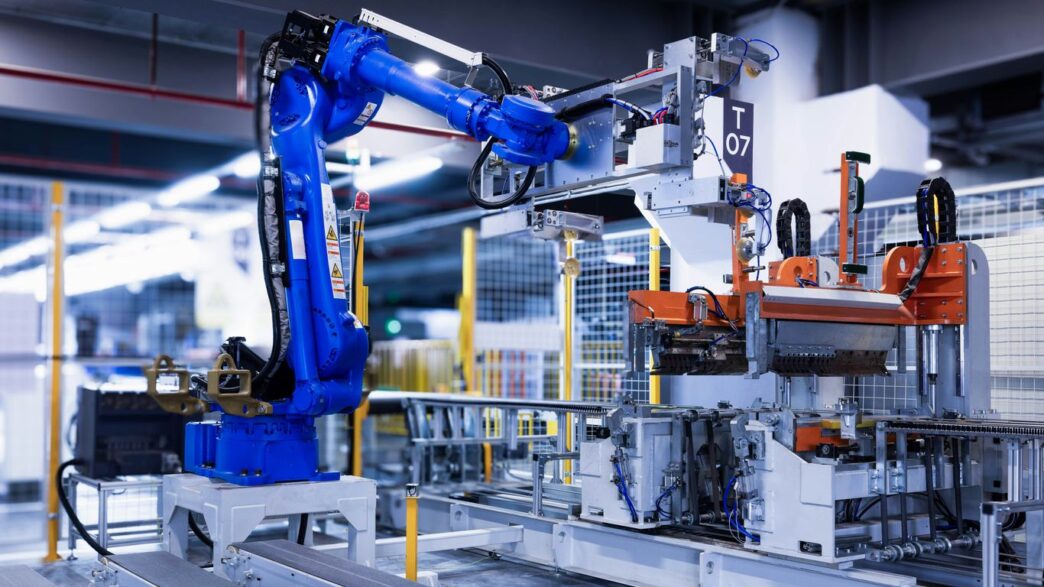
What really sets a robot apart is its physical presence and its ability to be taught new tasks. Unlike a fixed automation system that does one thing forever, a robot can be reprogrammed. Think about those big robotic arms you see in car factories. They can be taught to weld one day, then re-taught to paint the next, or even assemble different components. This flexibility is a huge deal for manufacturers who need to adapt quickly. They come equipped with "end-effectors" – basically, specialized tools like grippers, drills, or spray nozzles – that allow them to physically manipulate objects and perform actions.
Sensory Input and Autonomous Action in Robots
Robots aren’t just blindly following instructions; many are equipped with sensors that let them perceive their surroundings. This could be vision systems that "see" where a part is, force sensors that detect how hard they’re pushing, or even touch sensors. This sensory input allows them to make decisions and act autonomously. For example, a robot might use its vision system to locate a misplaced part and then adjust its grip accordingly. This ability to react to changing conditions, rather than just executing a rigid program, is what makes them so powerful for complex tasks.
Categories of Robots: Industrial, Service, and Mobile
Robots aren’t a one-size-fits-all solution. They generally fall into a few main categories:
- Industrial Robots: These are the heavy lifters of manufacturing. You’ll find them performing repetitive, high-precision tasks like welding, painting, assembly, and heavy material handling on production lines. They’re built for endurance and accuracy in demanding environments.
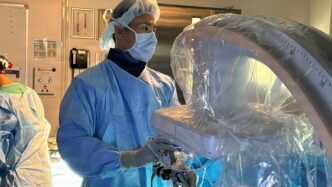
- Service Robots: These robots are designed to assist humans in various capacities. This includes robots used in healthcare for surgery or patient care, robots in hospitality that deliver food, or even domestic robots like vacuum cleaners. They often work in closer proximity to people.
- Mobile Robots: As the name suggests, these robots can move around. This category includes things like Automated Guided Vehicles (AGVs) and Autonomous Mobile Robots (AMRs) used in warehouses and logistics, drones for aerial tasks, and even self-driving vehicles. Their ability to navigate and transport items makes them vital for supply chain operations.
Robotic vs Robotics: A Comparative Analysis
So, we’ve talked about automation as this big umbrella, and robotics as a specific kind of tool under it. But let’s really break down what makes them different, side-by-side. It’s not just about fancy words; understanding this helps you figure out what you actually need for your business.
Physical Interaction: A Defining Characteristic of Robotics
This is a big one. When we talk about robotics, we’re almost always talking about something physical. These are machines that can move, grab, lift, weld, paint – basically, interact with the real world. Think of those robotic arms you see on car assembly lines, or the little robots that zip around warehouses moving boxes. They have a body, they have ‘hands’ (or grippers, or tools), and they’re designed to do things in a physical space. Automation, on the other hand, can be much broader. It could be software that sorts emails, or a system that manages inventory levels without any physical machine involved. The key difference is that robotics inherently involves a physical machine performing actions in the environment.
Flexibility and Reprogrammability in Robotic Systems
Another major point is how adaptable these systems are. Robots, especially modern ones, are built to be reprogrammed. You can teach a robot to do one task today, and then, with some adjustments, teach it to do something completely different tomorrow. This flexibility is super important when product lines change or you need to switch up your production process. Automation can be flexible too, like Robotic Process Automation (RPA) for software tasks, but when we’re talking about physical automation, robots are usually the most adaptable option. Some automated systems are pretty fixed; they do one thing and that’s it. Robots offer more of a ‘do-it-this-way-now, but can-do-that-way-later’ kind of deal.
Automation’s Wider Reach vs. Robotics’ Focused Application
Let’s sum it up with where each one shines. Automation is all about making any process more efficient, cutting down on mistakes, and generally reducing the need for human effort. It’s the big picture goal. Robotics is a specific way to achieve that goal, particularly for tasks that require physical action, precision, and repeatability. You can automate a whole factory floor with various systems, and robots might be a part of that, but the robots themselves are focused on performing those specific physical jobs. So, while all robots are part of automation, not all automation involves robots. It’s like how all squares are rectangles, but not all rectangles are squares. Robotics is a specialized, physical subset of the broader concept of automation.
The Symbiotic Relationship Between Automation and Robotics
Robotics as a Powerful Subset of Automation
Think of automation as the big umbrella, and robotics as one of its most advanced and visible features. Not all automation involves robots – remember those software bots that handle data entry? But when you do have robots, they are almost always part of a larger automation strategy. They’re the physical muscle, the precise hands that carry out tasks within an automated system. Robots are a specific, physical manifestation of automation’s broader goal: to get work done with less human input. They bring the ability to interact with the physical world, to move, build, and manipulate, all under the umbrella of automated processes.
Synergy in Action: Smart Factories and Integrated Systems
When you put automation and robotics together, that’s where the real magic happens, especially in places like smart factories. Imagine an assembly line where automated systems manage the flow of materials, while robotic arms precisely weld car doors, and other robots inspect the finished product. It’s not just about having robots; it’s about how they connect and work with other automated systems, like conveyor belts, sensors, and even software that tracks production. This integration means:
- Smoother Workflows: Tasks flow from one automated station to the next without human intervention.
- Data-Driven Decisions: Sensors on robots and other equipment feed information back into the system, allowing for real-time adjustments and performance tracking.
- Adaptive Production: The whole system can be reprogrammed to handle different product variations or new models more easily.
Leveraging Both for Enhanced Manufacturing Excellence
Using both automation and robotics together is how companies really step up their game. It’s about more than just replacing manual labor. It’s about creating systems that are:
- More Productive: Machines can work 24/7 without breaks, leading to massive output increases.
- More Consistent: Robots perform tasks with the same level of accuracy every single time, cutting down on defects.
- Safer: Dangerous or physically demanding jobs can be handed over to robots, protecting human workers.
This combination allows manufacturers to tackle complex production challenges, adapt quickly to market changes, and ultimately produce higher-quality goods more efficiently. It’s a partnership that drives progress.
Transformative Benefits in Modern Manufacturing
When you really get down to it, bringing automation and robotics into your factory floor changes pretty much everything. It’s not just about making things faster, though that’s a big part of it. We’re talking about a whole new level of how things get done.
Skyrocketing Productivity Through Continuous Operation
Think about it: machines don’t need coffee breaks. They don’t get tired or call in sick. This means production can keep going, hour after hour, day after day. A robotic arm can perform the same task hundreds of times in a shift without a dip in performance. This constant work ethic translates directly into way more output than you could ever get with human workers alone. It’s like having a super dedicated team that never quits.
Unmatched Precision and Consistent Quality
Humans are great, but we all have our off days, right? We might make a small mistake here or there, especially when doing repetitive tasks. Robots, on the other hand, do things exactly the same way every single time. This means the quality of your products stays consistent, from the first item off the line to the last. No more worrying about slight variations or defects creeping in. This level of accuracy is a game-changer for industries where even tiny errors can be costly.
Reducing Risks and Freeing Human Potential
Some jobs are just plain dangerous. Think about working with heavy machinery, toxic chemicals, or in extreme temperatures. Robots can take on these hazardous tasks, keeping human workers out of harm’s way. This not only makes the workplace safer but also frees up people to do more interesting, complex work. Instead of mind-numbing repetition, people can focus on problem-solving, quality control oversight, or managing the automated systems themselves. It’s about using human ingenuity where it matters most.
Wrapping It Up
So, we’ve gone over how automation is the big idea of using tech to do jobs with less human help, and robotics is a specific way to do that using physical machines. It’s not really about one being better than the other, but more about how they fit together. Think of automation as the overall plan to make things run smoother, and robots as some of the really cool tools you can use to make that plan happen, especially for tasks that need to be done physically. Knowing the difference helps businesses pick the right tools for the job, whether it’s software that handles paperwork or a robot arm that builds cars. It’s all about using technology smartly to get things done more efficiently and accurately.