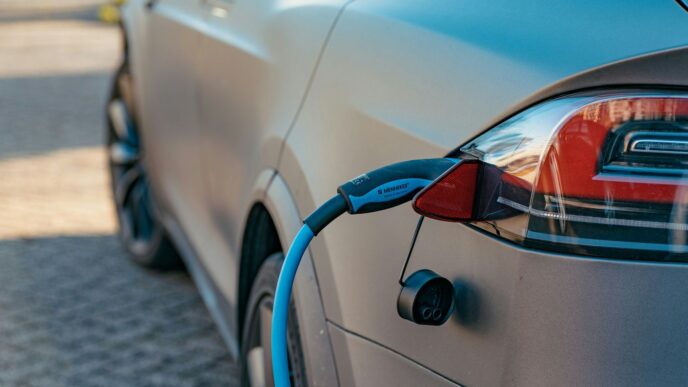
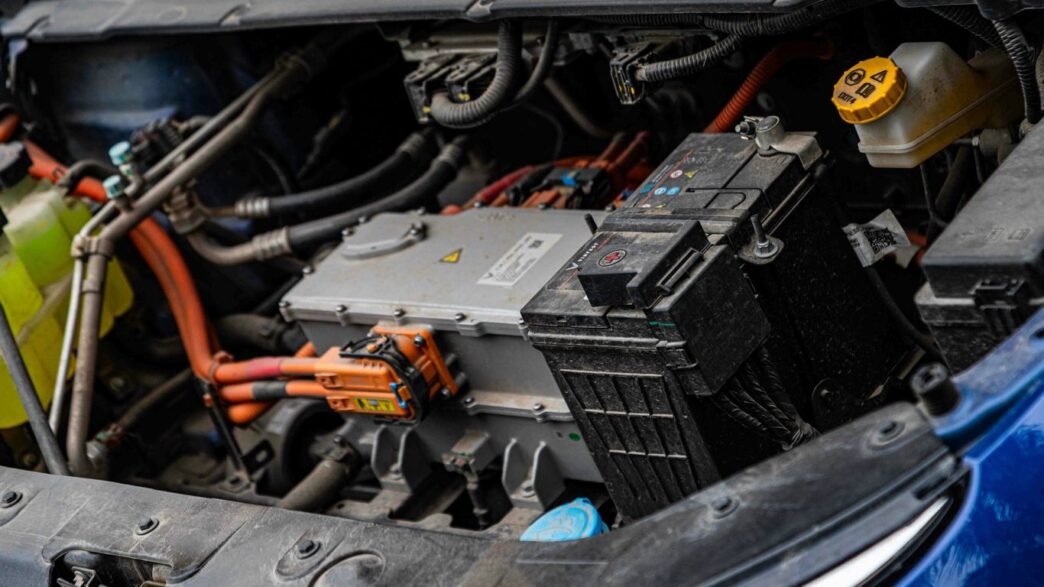
The world of electric vehicles is changing fast, and a big part of that is the batteries. We’re seeing more EVs on the road than ever, and companies are working hard to make the batteries better, cheaper, and safer. This article looks at the latest electric vehicle battery news and what’s coming next, from new battery types to how we get the materials to make them.
Key Takeaways
- Global electric vehicle sales are climbing, with some regions seeing more EVs sold than gas cars.
- New battery chemistries, like sodium-ion, are being explored as cheaper alternatives to current lithium-ion options.
- Solid-state batteries promise better performance and safety, with some companies aiming for commercial use in the next few years.
- The US market faces challenges, especially after tax credits ended, but opportunities exist for domestic battery production and innovation.
- Securing the supply chain for battery materials and training workers are important steps for the future of EVs.
The Evolving Landscape Of Electric Vehicle Battery News
It feels like electric vehicles (EVs) are everywhere these days, right? And it makes sense, considering how much the world is changing. We’re seeing a huge jump in people buying EVs globally. In fact, by the end of 2025, over a quarter of all new cars sold worldwide were electric or plug-in hybrids. Some places are even further ahead – China, for example, saw more than half of its new car sales being electric last year. Europe is also seeing a big shift, with more electric cars hitting the road than gas ones in December. The US is a bit of an outlier, unfortunately, with sales actually dropping a little from the year before.
Global Uptake Of Electric Vehicles Accelerates
This surge in EV adoption isn’t just a trend; it’s a fundamental shift. As more people get comfortable with electric driving, the demand for the batteries that power them keeps climbing. It’s a snowball effect, really. More EVs on the road mean more interest, more investment, and more innovation in battery tech. This rapid growth is reshaping the automotive industry and pushing manufacturers to keep up.
Shifting Geopolitics And Policy Frameworks
Things are getting interesting on the global stage, too. The countries that produce and process battery materials are becoming more important. This has led to some big changes in how countries are working together and what policies they’re putting in place. For instance, the US saw a dip in EV sales after federal tax credits ended, which shows how much policy can influence buyer decisions. Meanwhile, other countries are making big moves to support their own battery industries. It’s a complex web of international relations and government strategies.
Key Trends In Electric Vehicle Battery News
So, what’s actually happening in the world of EV batteries right now?
- New Chemistries on the Horizon: While lithium-ion is still king, we’re seeing a lot of buzz around alternatives like sodium-ion batteries. These could be cheaper because sodium is more common than lithium, though they might not offer the same range just yet.
- Focus on Cost: For many automakers, especially in markets facing economic pressure, the price of batteries is the biggest concern. Performance is important, but if it costs too much, it’s a non-starter.
- Supply Chain Scrutiny: Countries and companies are paying much closer attention to where their battery materials come from and how they’re processed. This is leading to new partnerships and investments aimed at securing a stable supply.
It’s a dynamic time, and staying on top of these changes is key to understanding where the EV revolution is headed.
Innovations In Battery Chemistry
When we talk about electric cars, the battery is the heart of the whole thing, right? For a long time, lithium-ion has been the go-to. It’s what powers our phones, laptops, and most EVs on the road today. But the world of batteries isn’t just standing still. There’s a lot of work happening to find new ways to store all that energy, often with an eye on making things cheaper or better.
The Rise Of Sodium-Ion Batteries
Think about sodium. It’s everywhere, right? Much more common than lithium. This abundance is why sodium-ion batteries are getting a lot of attention. They might not hold quite as much energy as their lithium cousins, meaning your car might not go quite as far on a single charge. But the potential for lower costs is a big deal, especially as EV prices are still a hurdle for many folks. Researchers are working on improving the materials inside these batteries, like the electrolytes and electrodes, to get their performance closer to what we see in some of today’s lithium-ion cells. It’s a promising area, especially if the goal is just to get more EVs on the road without breaking the bank.
Advancements In Lithium-Ion Alternatives
While sodium-ion is one path, there are other ideas brewing too. The push is on to find chemistries that can offer longer ranges, charge up faster, and be manufactured more easily. Some of these are still variations on lithium-ion, tweaking the components to get better results. The idea is to not just keep up with current technology but to leapfrog it, creating batteries that are genuinely better and cheaper. This is where a lot of the innovation is happening, trying to find that sweet spot between performance and affordability.
Focus On Cost-Effective Battery Solutions
Ultimately, a lot of the drive behind these new battery chemistries comes down to cost. Automakers are looking for ways to make EVs more accessible. While performance improvements are great, if a battery costs too much, it doesn’t matter how fast it charges or how far it goes. This is why cheaper alternatives like sodium-ion are so interesting. It’s not just about the raw materials, but also about the manufacturing processes. Finding ways to produce these batteries at scale, without huge upfront investment, is key to making electric cars a real option for more people. The goal is to make the battery the least expensive part of the EV, not the most.
Solid-State Batteries: A Leap Forward
Okay, so you’ve probably heard the buzz about solid-state batteries. They’re often talked about as the next big thing in EVs, and for good reason. Unlike the lithium-ion batteries we have now, which use a liquid to move things around inside, solid-state batteries use a solid material. This might sound like a small change, but it could mean some pretty big improvements.
Breakthroughs In Solid-State Technology
For a while, solid-state batteries felt like they were always just around the corner, with companies like Toyota talking about them for years. But making them in big numbers, the kind needed for cars, has been tricky. We’re starting to see real progress though. Companies are figuring out better ways to actually build these things. For example, a US company called Factorial Energy put their solid-state cells into a Mercedes test car, and it went over 745 miles on one charge. That’s pretty wild. Another US company, Quantumscape, is also testing its cells with car makers and hopes to have them in production later this decade.
Enhanced Safety And Performance Metrics
So, what’s the big deal? Well, ditching the liquid electrolyte means these batteries can potentially hold more energy. Think longer driving ranges without needing a bigger, heavier battery. Plus, they’re generally considered safer. That liquid stuff can sometimes cause problems, like fires, which solid-state batteries are designed to avoid. They also tend to last longer, with less of their capacity fading over time. Some companies are even claiming designs that could last for 100,000 cycles, which is way more than what we have now.
Commercialization Timelines For Solid-State
When can you actually buy a car with one? It’s still a bit of a moving target. While some companies initially aimed for 2020, that date has slipped. Toyota is now looking at 2027 or 2028. Factorial Energy and Quantumscape are also targeting around 2027 or later in the decade. It’s also possible we’ll see ‘semi-solid-state’ batteries first, which are kind of a hybrid, using a gel instead of a full liquid. Many companies, especially in China, are looking at these as a stepping stone before going fully solid.
Addressing The US Market Dynamics
It feels like every week there’s a new headline about electric vehicles, and the US market is definitely a big part of that conversation. Things are shifting, and frankly, it’s a bit of a mixed bag right now. The government’s been trying to give EV adoption a boost, and some of that support is starting to change.
Impact Of Federal Tax Credits On EV Sales
Federal tax credits have been a pretty big deal for getting more EVs onto American roads. They make the sticker price a little less scary for folks looking to make the switch. But, these credits aren’t set in stone forever, and changes to them can really shake things up. When they’re strong, sales tend to go up. When they get tweaked or phased out, well, you can see a dip.
Here’s a look at how credits can influence things:
- Incentive Boost: When credits are generous, consumers see a direct cost saving, making EVs more competitive with gas cars.
- Manufacturer Strategy: Automakers often align their production and marketing efforts with credit availability, sometimes pushing out more models when credits are favorable.
- Market Uncertainty: Changes or the end of credits can create uncertainty, making consumers hesitant to buy, waiting to see what happens next.
Opportunities For Domestic Battery Manufacturing
This is where things get really interesting for the US. For a long time, a lot of the battery components, especially the really critical stuff, has come from overseas, particularly China. That’s a big vulnerability. But, with the push for EVs, there’s a massive opportunity to build up battery production right here at home. Think about it: more jobs, more control over our supply, and potentially, batteries that are made with American ingenuity.
We’re talking about building out the whole chain:
- Raw Material Sourcing: Finding and processing materials like lithium and cobalt within the US or from allied nations.
- Component Production: Manufacturing the actual battery cells and packs here.
- Recycling Infrastructure: Developing ways to reuse and recycle old batteries, turning waste into resources.
The push to onshore battery manufacturing is not just about economics; it’s about national security and technological independence.
Reframing US Policy Around Innovation
Instead of just trying to catch up with existing EV technology, the US has a chance to really lead the way. We’ve got a strong history in science and tech, and that’s where we can really shine. The idea is to focus on developing the next generation of batteries – maybe ones that are cheaper, safer, or use different materials altogether. This means putting more money into research and development and making it easier for new ideas to get from the lab to the factory floor. It’s about playing a different game, one where American innovation sets the pace for the future of electric mobility.
Securing The Electric Vehicle Battery Supply Chain
Look, nobody wants to be stuck relying on someone else for the stuff we need to build our future, right? Especially when it comes to something as big as electric car batteries. China has put in a lot of work over the years to control a big chunk of the battery world, from the raw materials to the processed bits that go into cathodes and anodes. They’re using that control to make things tough for American companies, sometimes by limiting exports or playing with prices. It’s a tricky spot to be in.
But here’s the thing: we can’t just sit back. We need to get serious about building up our own battery supply chain, or at least working more closely with our friends. It’s like when the US decided to ramp up its own oil production to not be so dependent on OPEC. We need that same kind of focus for battery materials.
Strategic Partnerships For Raw Material Sourcing
We’ve already seen some good moves here. Companies are teaming up with folks in places like Australia and Canada to get the materials they need. Think about it:
- Getting direct deals: Companies are signing agreements to buy materials directly from mines and processing plants. This helps new suppliers get going.
- Investing together: Some big car companies are putting money into mines and material producers, which gives those businesses a boost and secures a supply.
- Working with allies: Partnering with countries that have resources we need, or the processing know-how, is a smart way to go. It’s not about doing it all alone, but about building a reliable network.
Investing In Midstream Processing Capabilities
This is where a lot of the magic happens – turning raw materials into the stuff that actually goes into battery cells. It’s also where China has a big lead.
- Sharing knowledge: We can work with companies from places like South Korea and Japan, who are really good at this, to learn their techniques. Joint research projects are a great way to do this.
- Government support: Programs that help finance new factories for making things like anode and cathode materials are super important. This helps get American businesses into this part of the chain.
- New chemistries: As we look at batteries that use different materials, like sodium-ion, we need to make sure we have the processing power here at home. Some of these new types use materials we already have a lot of, which is a big plus.
Training The Workforce For Future Needs
Building all these new factories and processing plants means we’ll need a lot of skilled workers. It’s not just about having the machines; it’s about having the people who know how to run them.
- Local partnerships: When new battery plants are being built, working with local schools and training programs is key. This helps people in the community get the skills needed for these jobs.
- On-the-job learning: Companies can set up programs where new employees learn directly from experienced workers, especially in areas like midstream processing where specialized knowledge is needed.
- University collaboration: Working with universities on research is great, but it’s also a chance to train the next generation of battery scientists and engineers who will be ready to tackle future challenges.
Ultimately, building a strong battery supply chain is about smart partnerships, investing in the right places, and making sure we have the skilled people to make it all happen. It’s a big job, but it’s one we have to do to keep the electric vehicle revolution rolling.
Future Outlook For Electric Vehicle Battery News
Projected Growth In Global EV Adoption
So, where are we headed with electric cars and their batteries? It looks like things are really picking up speed globally. By 2030, we’re talking about maybe 40% of all new cars sold worldwide being electric. That’s a pretty big jump from where we were just a few years ago. It’s not just a few countries leading the charge either; it’s happening in a lot of places. This big shift means a lot more demand for batteries, and that’s going to keep battery makers busy.
Emerging Players In The Battery Industry
While the big names are still around, keep an eye out for new companies popping up. We’re seeing a lot of innovation, especially from places like China, which is really dominating the battery game right now. Companies there are not only making a ton of batteries but also figuring out new ways to produce them. This global competition is good for everyone, pushing companies to get better and maybe even cheaper.
The Expanding Menu Of Battery Options
Lithium-ion has been the go-to for a while, but that’s changing. We’re starting to see more interest in things like sodium-ion batteries. They might not pack as much punch in terms of range as lithium-ion, but they use materials that are way more common and could end up being a lot cheaper. Plus, solid-state batteries are still on the horizon. Companies have been talking about them for years, and while it’s taken a while to get them ready for the big time, we might actually see them in cars in the next few years. These new battery types could mean more choices for car makers and, hopefully, more affordable EVs for us.
What’s Next for EV Batteries?
So, it looks like the electric car battery scene is really heating up. We’re seeing big jumps in technology, with things like solid-state batteries promising faster charging and longer rides, and even cheaper options like sodium-ion popping up. While the US market has had some bumps, especially with tax credits changing, the rest of the world is still going full steam ahead with EVs. It’s clear that battery innovation isn’t slowing down, and it’s going to be pretty interesting to see how these new developments change how we drive and power our world in the coming years. Keep an eye on this space, because the future of driving is being built right now, one battery at a time.