

So, the Tesla Semi truck is finally getting real. After what feels like forever, Tesla is actually starting to build these electric big rigs in bigger numbers. It’s a pretty big deal for trucking, which, let’s be honest, hasn’t changed much in ages. We’re talking about electric power, way better aerodynamics, and some serious tech upgrades. This article breaks down what’s new with the tesla semi, how it’s actually performing out there, and what it all means for the future of hauling stuff.
Key Takeaways
- Tesla’s dedicated Semi factory near Reno, Nevada, is now producing these electric trucks, aiming for 50,000 units annually.
- The production tesla semi features a 1,000-pound weight reduction, improved aerodynamics, and uses advanced 4680 battery cells designed for a million miles.
- Real-world tests, like those by DHL, show the tesla semi achieving impressive efficiency, matching Tesla’s own targets for heavy loads.
- The widespread adoption of the tesla semi is expected to significantly lower operating costs for fleets and reduce carbon emissions in transportation.
- Ultra-fast Megacharger technology is crucial for enabling long-range operations and quick turnarounds, supported by expanding charging networks nationwide.
The Tesla Semi Enters Production
A New Era for Logistics Begins
It feels like we’ve been hearing about the Tesla Semi for ages, right? Well, it’s finally happening. After years of development and a few bumps along the road, Tesla has officially kicked off mass production of its electric semi-truck. This isn’t just another vehicle launch; it’s a pretty big deal for how we move goods around. Think about it – a whole new chapter for trucking is starting, and it’s powered by electricity. This move signals a serious shift away from the old diesel engines that have dominated the industry for so long. The first trucks are rolling out, and the industry is definitely paying attention.
Vertical Integration and the 4680 Battery Advantage
So, what’s the secret sauce that’s finally getting the Semi into full production? A big part of it is how Tesla is building it. They’ve set up a dedicated factory right next to their Gigafactory Nevada. This isn’t just about saving on shipping; it’s a smart move for controlling the whole process. The really key piece here is the 4680 battery cells. These advanced batteries, which are the heart of the Semi, are made just a stone’s throw away from the truck assembly line. This means Tesla has a much tighter grip on its battery supply, which was a major hurdle before. Other truck makers have to deal with outside suppliers, which can mean delays and extra costs. Tesla’s setup cuts out a lot of that hassle.
- Streamlined Battery Supply: 4680 cells produced on-site.
- Reduced Logistics Costs: No need to ship batteries long distances.
- Greater Production Control: Insulates against external supply chain issues.
- Faster Assembly: Batteries are ready when the trucks are.
Ramping Up Production Capacity
Tesla’s goal is pretty ambitious: they’re aiming to churn out 50,000 Semi trucks every year. That’s a massive number for any vehicle, let alone a heavy-duty electric truck. To hit this target, they’ve invested heavily in automation and refining their manufacturing process. The new factory is designed for scale, using advanced techniques to build trucks efficiently. It’s a huge commitment, and it shows Tesla is serious about making the Semi a major player in the freight world. The plan is to gradually increase output, making sure they can meet demand while maintaining quality. It’s a complex operation, but the groundwork seems to be laid for serious growth in electric freight.
Advancements in Tesla Semi Technology
The Tesla Semi isn’t just another electric truck; it’s packed with some pretty neat tech that really sets it apart. Tesla’s been busy refining this thing, and it shows.
Evolved Aerodynamics and Weight Reduction
Remember that first concept? Well, the production version looks even sleeker. They’ve really worked on making it cut through the air better. Think of it like a really smooth stone skipping across water – less drag means less energy used. They’ve also managed to shave off a good amount of weight. Less weight means more payload capacity and better efficiency. It’s a constant balancing act in truck design, and Tesla seems to have found a good sweet spot here.
Next-Generation Battery Cells for Longevity
This is a big one. The Semi is rolling out with Tesla’s own 4680 battery cells. These aren’t your average batteries; they’re designed for the long haul, literally. We’re talking about cells that can handle the tough life of a commercial truck and are built to last for a million miles. That’s a huge deal for fleet owners who worry about battery life and replacement costs. It means the Semi can stay on the road, doing its job, for a really long time without major battery overhauls.
Enhanced Steering and Electrical Systems
Driving a big rig can be a workout, but Tesla’s made it easier. They’ve put in a new electric steering system, using parts originally developed for the Cybertruck. This makes the Semi surprisingly easy to steer, even when you’re trying to back into a tight loading dock. It also plays nice with the truck’s driver-assist features. On top of that, they’ve upgraded the electrical system to a 48-volt setup. This is a big change from the old 12-volt systems most cars use. It means thinner wires, less weight, and a more efficient way to power all the electronics that modern trucks need.
Real-World Performance and Pilot Programs
So, what’s the deal with the Tesla Semi out on the road? It’s not just sitting in a factory anymore. We’ve seen a bunch of these trucks actually working, and the data coming back is pretty interesting. Companies like PepsiCo, who got some of the first ones, have been putting them through their paces. They’ve been hauling stuff, day in and day out, and it turns out these electric rigs are holding up.
Data from DHL and Other Fleet Operators
Right now, there are hundreds of Tesla Semis out there, racking up miles. We’re talking over 13.5 million miles collectively. That’s a lot of road time, and it’s giving Tesla a ton of information about how the trucks perform in all sorts of conditions – hot weather, cold, mountains, flat highways, you name it. One truck has already hit over 440,000 miles, which is pretty wild for an electric truck that’s still relatively new to the scene. The big takeaway here is that these trucks are proving their worth in real logistics operations.
Driver Feedback on Performance and Comfort
What’s it like to actually drive one? Drivers who have spent time behind the wheel are reporting some cool things. They mention the acceleration is smooth, which makes sense with electric power. Plus, the ride is supposed to be much smoother, with less shaking and rattling compared to a diesel truck. This could make a big difference for drivers on long hauls. It’s not just about getting the job done; it’s about making the job better for the people doing it.
Achieving High Uptime and Reliability
This is a big one for any trucking company. Downtime means lost money. The good news is that the pilot programs are showing really strong reliability. We’re hearing about 95% uptime, which is right up there with traditional diesel trucks. And when something does go wrong, Tesla’s service teams seem to be pretty quick. They say most breakdowns get fixed and the truck back on the road in less than 24 hours, and often much faster – sometimes in just an hour. That kind of speed is exactly what the freight industry needs to keep things moving.
The Impact of the Tesla Semi on the Industry

Transforming Commercial Freight Operations
The commercial freight world is really starting to pay attention to the Tesla Semi, especially now that we’re seeing more real-world data come out. It’s not just a cool concept anymore; it’s looking like a serious game-changer for how goods get moved around. Companies that run big fleets are definitely noticing the potential for lower operating costs and a more predictable fuel budget, which is a big deal when diesel prices can swing wildly. Plus, with more pressure to cut down on pollution, going electric is becoming less of an option and more of a necessity.
Accelerating Sustainability and Regulatory Alignment
This truck is a big step towards cleaning up transportation, a sector that’s under a lot of scrutiny. By getting electric trucks like the Semi out there in larger numbers, Tesla is helping businesses meet their own goals for reducing their carbon footprint. It also means companies can get ahead of new rules and regulations that are likely to come down the pipeline, making it easier to stay compliant.
Competitive Implications for Truck Manufacturers
When Tesla announced they were ramping up Semi production, you could bet other truck makers took notice. Companies like Freightliner and Volvo are probably going to speed up their own electric truck plans. We might see them invest more in research or look for partners to keep up. It’s a wake-up call for the whole industry, pushing everyone to innovate faster if they want to stay in the game.
Infrastructure and Charging Solutions
The Role of Megacharger Technology
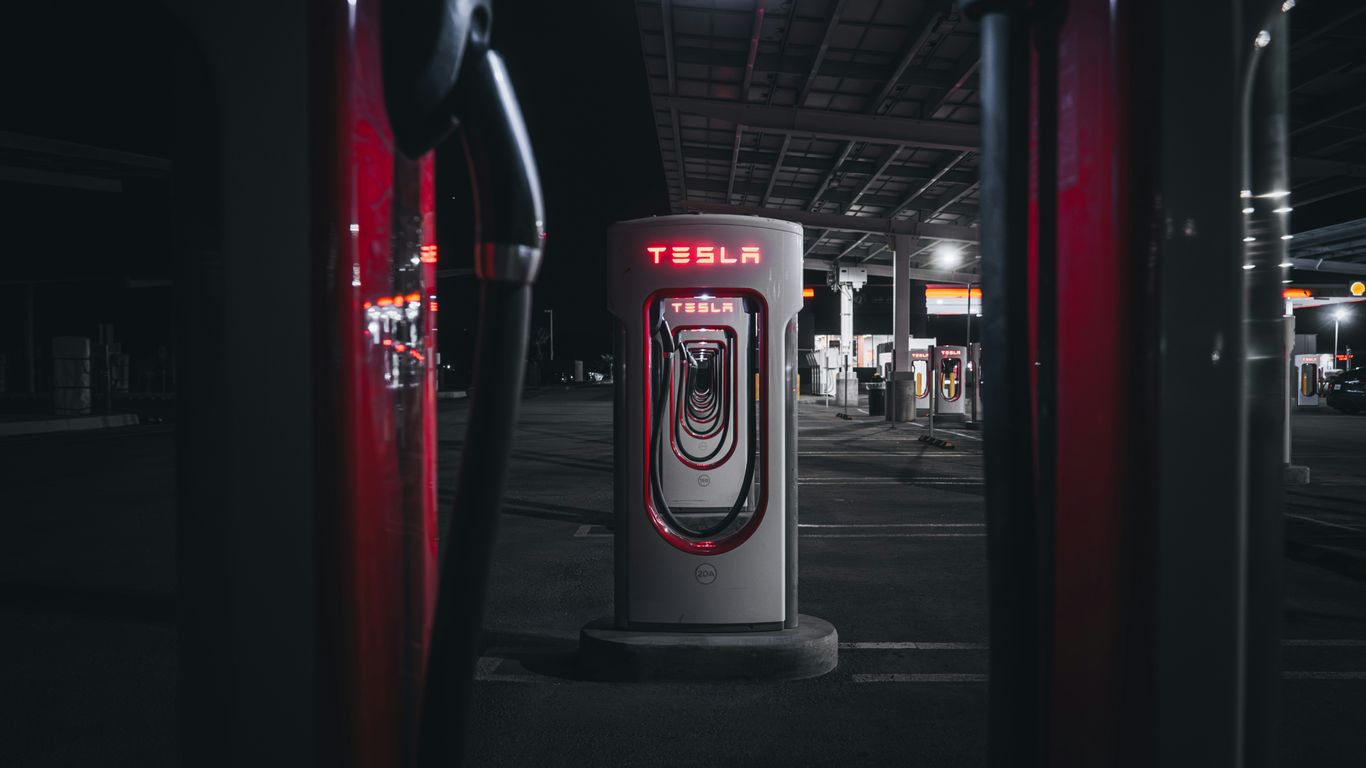
So, you’ve got this fancy new Tesla Semi, but how do you keep it rolling? That’s where the Megacharger comes in. Think of it as the super-fast charger for your electric big rig. It’s designed to add hundreds of miles of range in the time it takes a driver to take their legally required break. This means charging doesn’t have to be a major disruption to delivery schedules. Tesla is building out its own network of these Megachargers, starting with key locations like Ontario, California, right near major shipping hubs. They’ve got plans to put up a lot more stations across the country, aiming for dozens of sites by early 2027. This is all about making sure there are places to charge along the main trucking routes.
Supporting Long-Range Operations
For the Tesla Semi to really work for long-haul trucking, you need charging infrastructure that can keep up. The idea is to create "charging corridors" that let trucks travel across states without worrying about running out of juice. This involves not just Tesla’s own Megachargers but also partnerships with existing truck stop operators. The goal is to have charging points spaced out enough so that a truck can make its journey with strategic, quick stops. This approach helps make electric trucking a practical option for businesses that move goods over long distances, not just for local deliveries.
Expanding Charging Networks Nationwide
Building out a charging network is a huge undertaking. Tesla is working on its own sites, but they’re also teaming up with other companies to get chargers installed faster. This includes setting up charging hubs every so often on major highways. These stations will have really powerful chargers, capable of getting a lot of range back into the battery in about 30 to 45 minutes. It’s not just about putting chargers everywhere, though; it’s also about making sure the power grid can handle it. Governments are helping out with grants, and utility companies are involved to make sure the electricity flows reliably. The whole point is to build a system that supports electric trucks coast-to-coast, making it easier for companies to switch over from diesel.
Economic and Environmental Benefits
Reducing Total Cost of Ownership
Let’s talk money. While the initial sticker price for an electric semi like the Tesla Semi might seem higher than a diesel counterpart, the long-term savings are pretty significant. Think about it: fewer moving parts mean less maintenance. No oil changes, fewer brake replacements thanks to regenerative braking, and generally less wear and tear. This can add up to substantial savings over the life of the truck. Plus, electricity is often cheaper per mile than diesel fuel, especially with fluctuating gas prices. When you factor in government incentives and tax credits available in places like the US and Canada, the upfront cost gap shrinks considerably. For fleets that rack up a lot of miles, these operational savings can lead to a return on investment in just a few years, making the electric option a smart financial move.
Lowering Carbon Emissions in Transportation
This is a big one for the planet. Trucks are a huge part of our transportation system, and they also contribute a lot to air pollution and greenhouse gases. Switching to electric trucks like the Tesla Semi means zero tailpipe emissions. That’s cleaner air in our communities and a direct hit against climate change. For companies looking to meet sustainability goals or comply with stricter environmental regulations, going electric is a clear path forward. It’s not just about looking good; it’s about making a real difference in reducing the carbon footprint of freight hauling, which is a major piece of the puzzle for a greener future.
Enhancing Driver Satisfaction and Efficiency
Drivers are the backbone of the trucking industry, and the Tesla Semi offers some pretty compelling improvements for them. The ride is generally smoother and quieter than a traditional diesel truck, which can make long hours on the road much more comfortable. The instant torque from the electric motor means quicker acceleration, which can be helpful in various driving situations. Plus, the simplified controls and reduced vibration can lead to less driver fatigue. Happy drivers are often more efficient drivers, and anything that makes the job more appealing can help address driver shortages. It’s a win-win: better working conditions for drivers and potentially more productive operations for the companies they work for.
The Road Ahead
So, after all this talk, what’s the big picture? It really looks like the Tesla Semi is finally moving from a cool idea to something you’ll actually see on the road. They’ve put in the work, tested it out a ton, and now they’re building them in bigger numbers. It’s not just about Tesla, though. This could really change how trucking works, making it cleaner and maybe even cheaper for companies. We’re talking about less pollution and a different way to move stuff around. It’s a big shift, and it’s happening now.
Frequently Asked Questions
When did the Tesla Semi start being made in large numbers?
Tesla officially started making the Semi truck in big numbers at its new factory near Reno, Nevada. This factory is designed to produce 50,000 electric trucks each year, which is a huge goal for the company and the trucking world.
What makes the new Tesla Semi different from the first one shown?
The Semi truck that’s now being produced is much better than the first one shown years ago. It’s lighter by about 1,000 pounds, which means it can carry more cargo. It also has better aerodynamics to save energy and can charge super fast using Tesla’s Megacharger technology.
How far can the Tesla Semi go on a single charge, and how long does it take to recharge?
Tesla says the Semi can go about 500 miles on a full charge. With the special Megacharger, it can get about 60% of its range back in just 30 minutes, which is about the time drivers need for a break.
What kind of batteries does the Tesla Semi use, and how long do they last?
The Semi uses Tesla’s own 4680 battery cells. These are advanced batteries that are built to last a very long time, up to 1 million miles. This is great for trucking companies because it means the batteries should last for the whole life of the truck without needing to be replaced.
Are companies already using the Tesla Semi for deliveries?
Yes, several big companies are already using or planning to use the Tesla Semi. Companies like DHL, Pepsi, Walmart, and Kroger have been testing the trucks or have ordered many of them. Early results show they work well and are efficient.
What are the main benefits of using the Tesla Semi instead of a diesel truck?
The Tesla Semi helps lower pollution because it doesn’t burn fuel and create exhaust. It’s also expected to cost less to run over time because electricity is cheaper than diesel, and it needs less maintenance. Plus, drivers often say it’s more comfortable and easier to drive.