Thinking about getting a Tesla but wondering about the cost to keep it charged? You’re definitely not alone. With gas prices doing their usual unpredictable dance, electric cars are looking pretty good. But just how much does it cost to charge a Tesla, and how does that compare to filling up your current car? It really boils down to a few things: which Tesla you get, where you live and how much electricity costs there, and whether you’re charging at home or out and about.
Key Takeaways
- Charging your Tesla at home typically costs between $11 and $23 for a full battery, depending on your car model and local electricity prices.
- Tesla owners can save around $1,500 to $2,000 each year compared to driving gasoline cars, thanks to lower running costs.
- Using solar panels to charge your Tesla can bring the cost down to about $5 to $10 for a full charge.
- Charging at public stations, especially Superchargers, can be two to four times more expensive than charging at home.
- Factors like your location’s electricity rates, charging during off-peak hours, and your driving habits all play a role in your total charging expenses.
Understanding Your Tesla Charging Expenses
So, you’re thinking about getting a Tesla, or maybe you already have one and want to get a better handle on the "fuel" costs. It’s a totally valid question! While Teslas are known for being cheaper to run than gas cars, the exact amount you’ll spend on charging isn’t a simple number. It really depends on a few things.
The biggest factor influencing your charging bill is where and when you plug in.
Here’s a quick look at what makes your charging costs tick:
Factors Influencing Home Charging Costs
Charging at home is usually the most wallet-friendly option. You just plug in overnight and wake up to a full battery. But even then, the cost isn’t uniform. It boils down to:
- Your local electricity rates: This is a huge one. Some states have super cheap electricity, while others are much more expensive. For example, charging in Texas might cost you around $34 a month, a significant saving compared to gasoline. Charging an electric vehicle
- Your Tesla model: Different models have different battery sizes, meaning some take more energy to fill up than others.
- Charging efficiency: While Teslas are pretty efficient, there are always some energy losses during the charging process. Plus, how you drive and use climate control can affect how much energy you actually use on the road.
The Impact of Tesla Model on Charging Expenses
Think of it like this: a bigger gas tank costs more to fill, right? It’s similar with EVs. A Tesla Model 3 might have a smaller battery than a Model X, so a full charge will cost less. The cost per mile is also something to consider. While a Model 3 or Model Y might cost around 4 to 4.5 cents per mile to charge, a larger vehicle like the Cybertruck could be closer to 6.9 cents per mile. It’s still way less than gas, but it’s good to know the differences.
Local Electricity Rates and Their Effect
This is where things can get really different from one person to the next. Electricity prices vary wildly across the country. You might see rates from as low as $0.12 per kilowatt-hour (kWh) in some areas to over $0.42 per kWh in others. That’s a massive difference! If you live somewhere with high electricity costs, your charging bill will naturally be higher, even if you’re charging at home. It really pays to know what your local utility charges, especially if they offer special EV rates.
Home Charging: The Most Economical Option
When it comes to keeping your Tesla powered up, plugging in at home is almost always the most wallet-friendly choice. It’s just way cheaper than relying on public chargers, especially those fast ones. Think about it: you wake up every morning with a ‘full tank,’ ready to go, without having to make a special trip. This convenience alone is a huge perk, but the cost savings are where it really shines.
Average Cost to Fully Charge a Tesla at Home
So, what does it actually cost to fill up your Tesla’s battery overnight? It really depends on your local electricity rates, but generally, you’re looking at a pretty small number. For most people, a full charge at home can cost anywhere from $8 to $19. This is a big deal when you compare it to filling up a gas car. In 2026, charging at home is typically 60-70% cheaper than buying gasoline. That means for every dollar you spend on electricity to charge your Tesla, you’d be spending two or three dollars at the pump for a comparable gasoline vehicle.
Cost Per Mile for Different Tesla Models
Let’s break down the cost per mile, because that’s what really matters for your daily driving. Different Tesla models have different battery sizes and efficiencies, so the cost per mile will vary a bit.
| Tesla Model | Battery Size (kWh) | Estimated Cost per Mile (Home Charging) |
|---|---|---|
| Model 3 | 60-82 | $0.03 – $0.05 |
| Model Y | 75-82 | $0.04 – $0.06 |
| Model S | 100 | $0.05 – $0.07 |
| Model X | 100 | $0.06 – $0.08 |
These numbers are based on average electricity rates and typical driving conditions. If your home electricity is cheaper, your cost per mile will be even lower. It’s pretty amazing to think you can drive for just a few cents per mile.
Comparing Home Charging to Gasoline Expenses
This is where the real savings become obvious. Let’s say you drive about 1,000 miles a month. For a Tesla Model 3, that could cost you between $30 and $50 for electricity. Now, imagine driving a gasoline car that gets, say, 30 miles per gallon. If gas prices are hovering around $3.50 per gallon (which feels pretty normal these days), you’d be spending over $115 just for fuel. That’s a difference of $65 to $85 every single month, just on fuel! Over a year, that adds up to thousands of dollars saved. It’s not just about the initial purchase price of an EV; the long-term running costs are significantly lower. Plus, you’re not dealing with oil changes or as much brake wear, which are other hidden costs of gasoline cars. For many drivers, the savings on fuel alone make the switch to electric a no-brainer.
Maximizing Savings with Solar Charging
When you’re thinking about owning a Tesla, one of the biggest perks is how much you can save on fuel. And if you’ve got a roof that gets decent sun, going solar can make those savings even bigger. It’s like getting free fuel for your car, powered by the sun. Pretty neat, right?
Reducing Charging Costs with Solar PV Panels
Using solar panels to charge your Tesla can really change the game for your electricity bill. Instead of paying whatever the utility company is charging per kilowatt-hour (kWh), you’re essentially generating your own power. This can drop your effective charging cost to something like $0.04 to $0.06 per kWh. That’s a fraction of what you’d pay for grid electricity, which, let’s be honest, keeps going up.
- The sun is free fuel: Once your panels are installed, the energy they produce is essentially free.
- Lower per-kWh cost: Your effective cost per kWh plummets compared to grid rates.
- Environmental bonus: You’re also reducing your carbon footprint even further.
The Economics of a Home Solar System
Okay, so installing solar panels isn’t exactly cheap upfront. We’re talking a few thousand dollars, maybe $15,000 to $30,000, depending on the size of the system. But here’s the thing: there are tax credits, like the federal one that can knock off 30% of the cost. After that, many people find that the system pays for itself in about 4 to 6 years, just from the money saved on charging their Tesla and running their home. Over the typical 25-year lifespan of solar panels, that’s a lot of money saved – potentially $15,000 to $25,000 in avoided electricity costs.
| System Size | Estimated Upfront Cost (Before Incentives) | Estimated Cost (After 30% Tax Credit) | Payback Period (Years) |
|---|---|---|---|
| 6 kW | $17,100 | $11,970 | 4-6 |
| 8 kW | $22,000 | $15,400 | 4-6 |
Solar Charging Costs Per Full Charge
When you factor in the cost of generating your own solar power, charging your Tesla becomes incredibly cheap. For a full charge, depending on your Tesla model and how much energy it needs, you might be looking at a cost of just $5 to $10. This is a huge difference compared to charging from the grid, especially if you’re paying higher rates. Many Tesla owners with solar systems find that their panels generate more than enough power, especially on sunny days. If you have a battery system, like a Tesla Powerwall, you can even store that daytime solar energy to charge your car overnight, making the whole process even more efficient and cost-effective. It’s a great way to create a closed-loop energy system for both your home and your car.
Public Charging: Convenience vs. Cost
Okay, so home charging is usually the cheapest way to keep your Tesla juiced up, but what happens when you’re on the road or just don’t have access to your home charger? That’s where public charging comes in. It’s all about balancing how easy it is to find a charger with how much it’s going to set you back.
Tesla Supercharger Network Pricing
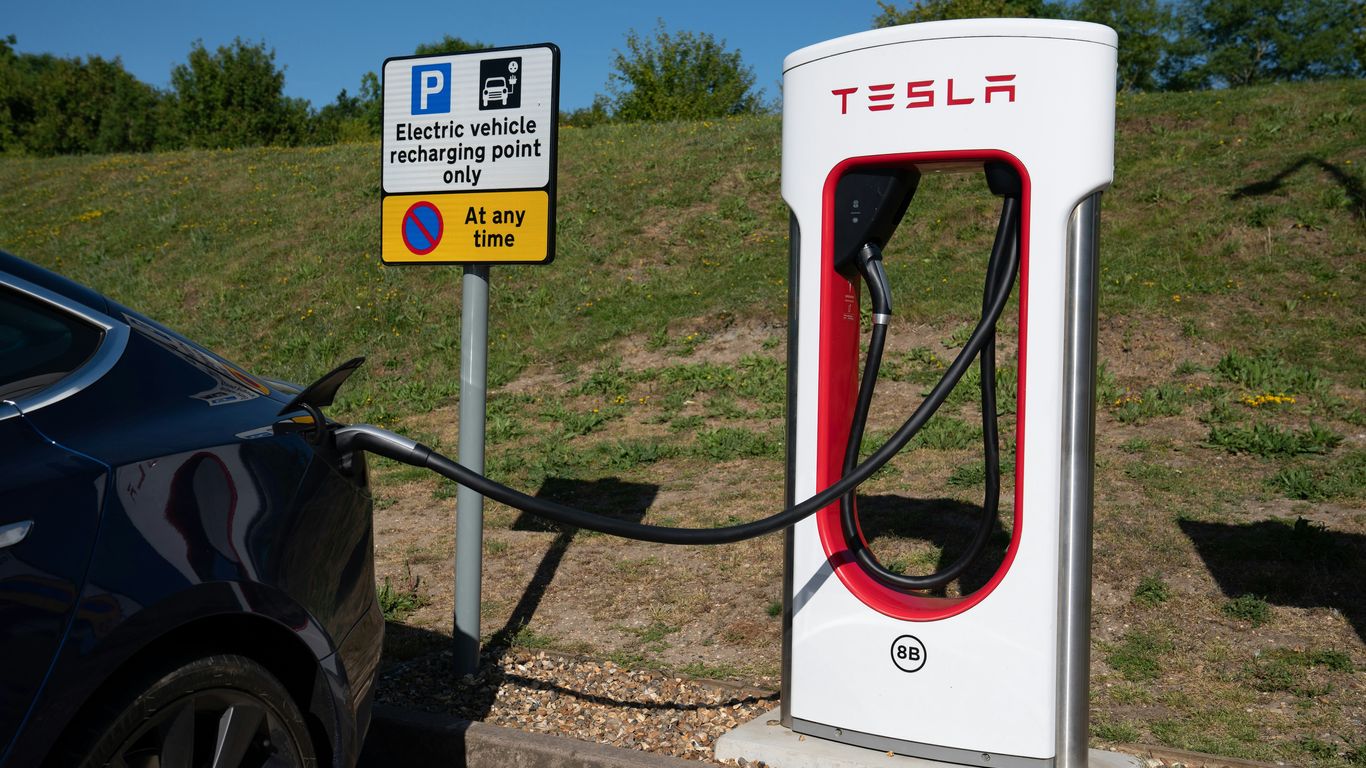
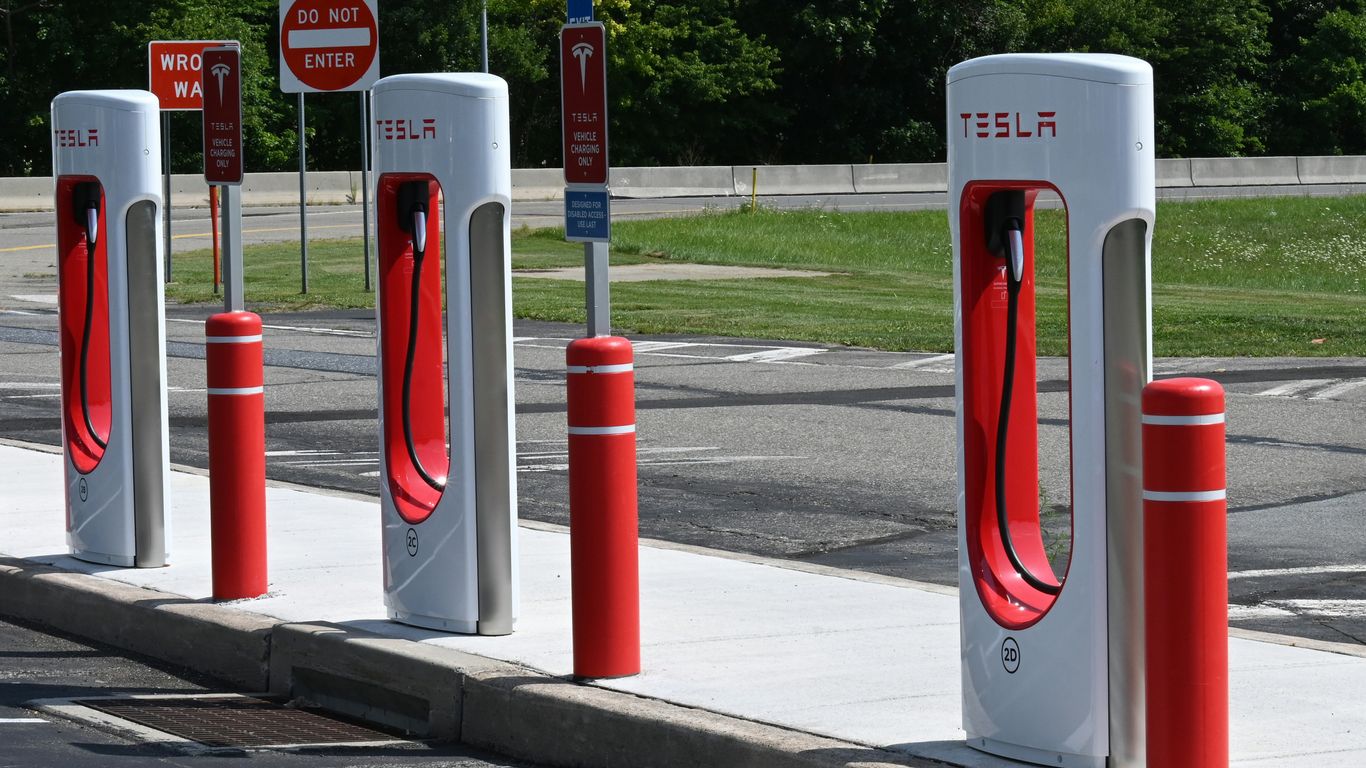
The Tesla Supercharger network is pretty slick. You pull up, plug in, and it just works, automatically billing your Tesla account. Super convenient, right? But convenience often comes with a price tag. Depending on where you are, charging up can range from about $0.25 to over $0.60 per kilowatt-hour (kWh). This means a full charge for your Tesla could land anywhere from $15 to $50, give or take, depending on the station’s rates and your car’s battery size. Some busy locations might even tack on extra fees if you linger too long after charging is done, so keep an eye on that timer!
Costs on Third-Party Charging Networks
Beyond Tesla’s own network, there are other public charging options out there, like ChargePoint, EVgo, and Electrify America. These can be great alternatives, but their pricing structures can be a bit of a puzzle. Some charge by the minute, others by the kWh, and some might even add a flat fee just to start a charging session. It really pays to do a little homework before you plug in. Downloading their apps beforehand can help you see real-time pricing and find the best deals in your area.
Strategies for Affordable Public Charging
So, how do you keep public charging costs from getting out of hand? Here are a few ideas:
- Plan ahead: Before you head out on a long trip, map out your charging stops. Look for Superchargers along your route or see if hotels, shopping centers, or even your workplace offer free charging. Sometimes, just planning your route around these free spots can save you a bundle.
- Use apps wisely: Get familiar with the apps for different charging networks. They often show you the cheapest rates available nearby and can alert you to any special promotions or membership discounts.
- Charge smart: If you’re at a fast charger, you often don’t need to charge to 100%. Charging to about 80% is usually the most cost-effective, and you can top off the rest at home if possible. This can significantly cut down your charging time and cost.
- Consider off-peak: If you have the flexibility, charging during off-peak hours (usually late at night or early morning) can sometimes offer lower rates, even at public stations. It’s worth checking if any networks offer this.
Factors Affecting Your Tesla Charging Bill
So, you’ve got a Tesla, or you’re thinking about getting one. Awesome! But how much is this electric juice really going to cost you? It’s not just a simple number, you know. A bunch of things play a role in what you’ll see on your electricity bill.
Geographic Location and Electricity Prices
This is a big one. Where you live matters a lot. Electricity prices can swing wildly from one state to another, and even between different towns in the same state. Think about it: some places have cheaper power because they have more power plants or different energy sources. Others, especially places like Hawaii, have much higher rates because getting electricity there is more complicated and expensive. So, that $0.12 per kilowatt-hour (kWh) you might see in one area could easily be $0.42 per kWh somewhere else. That’s a huge difference, right?
Time-of-Use Rates and Off-Peak Charging
Your utility company might have different prices for electricity depending on the time of day. This is called Time-of-Use (TOU) pricing. Generally, electricity is cheaper late at night and on weekends when fewer people are using it. It’s most expensive during those busy afternoon and early evening hours when everyone’s home from work and school. Smart charging during these off-peak times can seriously cut down your costs. Tesla’s app lets you schedule charging, so you can set it to juice up your car when the rates are at their lowest, usually overnight. It’s like getting a discount just for being patient!
Driving Habits and Charging Efficiency
How you drive your Tesla actually affects how much energy it uses, and therefore, how much it costs to charge. If you’re constantly flooring it from a stoplight or driving at super high speeds on the highway, your car is going to use more energy. It’s just physics. Smooth driving, on the other hand, is much more efficient. Also, things like using the air conditioning heavily in the summer or the heater in the winter can use up more battery. Even the weather plays a part; cold temperatures can make your battery less efficient. So, driving style and how you use your car’s climate control can add up.
Monthly and Annual Cost of Tesla Ownership
So, you’ve got your Tesla, and you’re wondering about the ongoing costs, right? Specifically, what’s this going to do to your wallet month-to-month and year-to-year? It’s a fair question, and thankfully, the news is pretty good, especially when you look at what people used to spend on gas.
The biggest takeaway is that charging your Tesla is significantly cheaper than filling up a comparable gasoline car. We’re talking about savings that add up fast, not just in your pocket but also in terms of reduced maintenance.
Let’s break it down:
Estimated Monthly Charging Costs by Model
Most folks charge at home, usually overnight. Based on driving about 1,000 miles a month and using typical home electricity rates (around $0.17 per kWh), here’s a rough idea of what you might see on your bill:
| Tesla Model | Estimated Monthly Charging Cost (1,000 miles) |
|---|---|
| Model 3 RWD | $38 – $44 |
| Model 3 Long Range/Perf | $42 – $50 |
| Model Y RWD | $42 – $48 |
| Model Y Long Range/Perf | $45 – $52 |
| Model S/X | $56 – $64 |
| Cybertruck | $75 – $85 |
These numbers factor in charging losses, so it’s what you’ll actually pay. If you’re using off-peak rates or have solar, your costs could be even lower.
Annual Savings Compared to Gasoline Vehicles
This is where things get really interesting. When you compare the cost of electricity to the cost of gasoline, the savings are substantial. Let’s say the national average gas price is around $3.08 per gallon (as of late 2025) and you’re driving 1,000 miles a month.
- A comparable gasoline compact sedan might cost you $103-$115 per month.
- A gasoline SUV could run $110-$125 monthly.
- A luxury gas sedan might be $123-$140 per month.
- A gas pickup truck could easily hit $154-$175 monthly.
So, for fuel alone, Tesla owners are typically saving anywhere from $60 to over $110 per month. That translates to an annual saving of $720 to $1,320 just on ‘fuel’. And if you’re driving more, or if gas prices go up again, those savings only grow.
Long-Term Financial Benefits of EV Ownership
Beyond the monthly fuel savings, there are other financial perks to owning a Tesla.
- Reduced Maintenance: Forget oil changes, spark plugs, and exhaust systems. EVs have far fewer moving parts. Brake wear is also significantly reduced thanks to regenerative braking.
- Potential for Lower Insurance: While this can vary, some studies suggest EV insurance might be slightly lower over time, though initial repair costs can sometimes be higher.
- Incentives and Rebates: Depending on where you live and when you buy, there might still be federal, state, or local incentives that can lower the overall cost of ownership.
- Home Value: For homeowners, installing solar panels and a home charger can potentially increase property value.
Over the lifespan of the vehicle, these combined savings—fuel, maintenance, and potential incentives—make a strong financial case for switching to electric. It’s not just about saving money on gas; it’s about a more cost-effective and simpler ownership experience overall.
So, What’s the Bottom Line on Charging Costs?
Alright, let’s wrap this up. Charging a Tesla in 2026, much like today, is generally a lot easier on the wallet than filling up a gas tank. We’ve seen that home charging is definitely the cheapest route, costing way less per mile than gas. Sure, public charging, especially the fast kind, can add up, but it’s usually for road trips. If you’re really looking to slash those costs, looking into solar panels for your home is a big game-changer, making your ‘fuel’ almost free. Ultimately, while the exact numbers change based on where you live and what model you have, the trend is clear: going electric with a Tesla means predictable, lower running costs. It’s not just about saving money, though; it’s about the convenience of waking up to a ‘full tank’ every day and knowing you’re spending less on your daily commute.
Frequently Asked Questions
What’s the cheapest way to charge my Tesla?
Charging your Tesla at home overnight is usually the most wallet-friendly option. Many electric companies offer special plans that give you lower electricity rates during off-peak hours, like late at night. This means you can wake up to a fully charged car without spending a lot of money.
How much does it cost to charge a Tesla compared to a gas car?
Charging a Tesla is generally much cheaper than filling up a gas car. For example, driving the same distance in a Tesla might cost you around $4-$5, while a gas car could cost $10-$15 or even more. Over a year, this can add up to big savings, often $1,000 or more!
Can I charge my Tesla using solar power?
Yes, you absolutely can! If you have solar panels on your roof, you can use the sun’s energy to charge your Tesla. This can make charging incredibly cheap, sometimes as low as $5-$10 for a full charge, depending on your solar setup and how much sun you get.
Is charging at a Tesla Supercharger expensive?
Tesla Superchargers are super convenient, especially for road trips, but they do cost more than charging at home. Prices can vary a lot depending on where you are, but expect to pay about 2 to 4 times more than your home electricity rates. It’s best to use them when you really need a quick charge on the go.
Does the type of Tesla I own affect charging costs?
Yes, it does! Different Tesla models have different-sized batteries. A larger battery, like in a Model S or Model X, will cost more to fully charge than a smaller battery, like in a Model 3. However, even the most expensive Tesla charges are still cheaper per mile than most gas cars.
What are ‘off-peak’ and ‘time-of-use’ electricity rates?
These are special electricity plans that can save you money. ‘Off-peak’ means charging when fewer people are using electricity, usually late at night. ‘Time-of-use’ rates mean the price of electricity changes throughout the day – it’s cheaper during off-peak times and more expensive during peak times (like evenings when everyone is home). By charging during the cheaper times, you can significantly lower your costs.