We hear a lot about saving energy, and it seems like a no-brainer, right? But when you really dig into it, what is the problem with energy conservation? It turns out, it’s not as simple as just flipping a switch. There are big hurdles, from the cost of making our homes more efficient to how we actually live our lives. Plus, all that energy we use, and the energy it takes to make more energy, has a pretty big impact on the planet and our wallets. Let’s break down why saving energy is so much harder than it sounds.
Key Takeaways
- Energy conservation is about reducing overall energy use, not just using less energy for the same task (which is energy efficiency).
- Wasting energy contributes to carbon emissions, climate change, and environmental damage from resource extraction and infrastructure.
- Making homes energy efficient can be really expensive, both for renovations and building new, energy-conscious housing.
- Energy inefficiency can lead to energy poverty and health problems due to air pollution from energy production.
- Changing ingrained habits and relying on current energy systems makes it difficult for people to truly conserve energy.
Understanding The Core Problem With Energy Conservation
Distinguishing Energy Efficiency From Energy Conservation
Okay, let’s get real for a second. We talk a lot about saving energy, right? But sometimes, we mix up what that actually means. There’s energy efficiency, and then there’s energy conservation. They sound similar, but they’re not quite the same thing, and understanding the difference is key to figuring out the real problem.
Energy efficiency is basically about using less energy to do the same job. Think about swapping out old light bulbs for LEDs. You still get light, but the new bulbs use way less electricity. Or getting a new fridge that’s rated super high for efficiency – it keeps your food cold using less power than the old clunker. It’s all about smarter technology and better appliances.
Energy conservation, though? That’s a bit different. It’s about actually not using the energy in the first place. Turning off lights when you leave a room is conservation. Not running the dishwasher until it’s completely full is conservation. It’s about changing our habits and our actions to reduce our overall energy demand. The biggest problem with energy conservation is that it often requires a shift in behavior, which is way harder than just buying a new gadget.
The Pervasive Nature Of Energy Waste
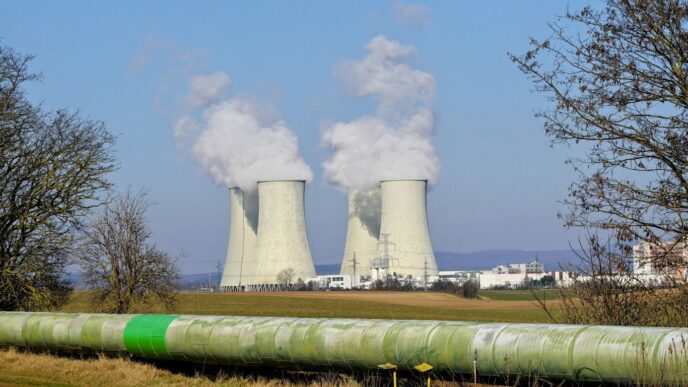
Honestly, energy waste is everywhere. It’s like a leaky faucet you can’t quite find. We waste energy when we generate it, when we move it around, and when we use it. Fossil fuel power plants, for example, are notoriously inefficient. A lot of the energy they create just turns into heat and disappears into the atmosphere. Then, even more energy gets lost as electricity travels through power lines to our homes. It’s a whole system where energy just seems to slip through the cracks at every turn.
Think about it:
- Generation Losses: When we burn coal or gas to make electricity, a big chunk of that energy is lost as heat. We’re lucky if we get 50% of the original energy into usable electricity.
- Transmission & Distribution Losses: The journey from the power plant to your outlet isn’t perfect either. Wires aren’t perfect conductors, and some energy is lost as heat along the way.
- Usage Waste: We leave lights on, devices on standby, and buildings poorly insulated, all of which contribute to unnecessary energy use.
It’s not just about the big power plants, either. Our homes and buildings are often designed without much thought for energy use, leading to constant leaks and inefficiencies.
Focusing On The Root Cause Of Energy Usage
So, if energy waste is so widespread, where do we even start? The real issue isn’t just about making our appliances a little bit better. It’s about questioning why we need so much energy in the first place. Are we using energy for things that aren’t truly necessary? Are we relying on energy-intensive processes when simpler, less demanding alternatives exist?
For instance, heating and cooling our homes takes a massive amount of energy. While heat pumps are more efficient than old furnaces, they still use energy. The ultimate conservation would be to design buildings that require very little heating or cooling to begin with, through better insulation, smart design, and passive heating/cooling strategies. That gets to the root of the problem: reducing the demand itself, not just meeting it more efficiently. It’s about rethinking our needs and our systems, rather than just tweaking the existing ones.
The Environmental Repercussions Of Energy Waste
When we talk about energy, it’s easy to focus on our bills or how much we use day-to-day. But there’s a much bigger picture, and it involves the planet. Every bit of energy we use, especially when it’s wasted, leaves a mark on the environment. It’s not just about turning off lights, though that helps. It’s about the whole process, from getting the energy to using it.
Carbon Emissions And Climate Change
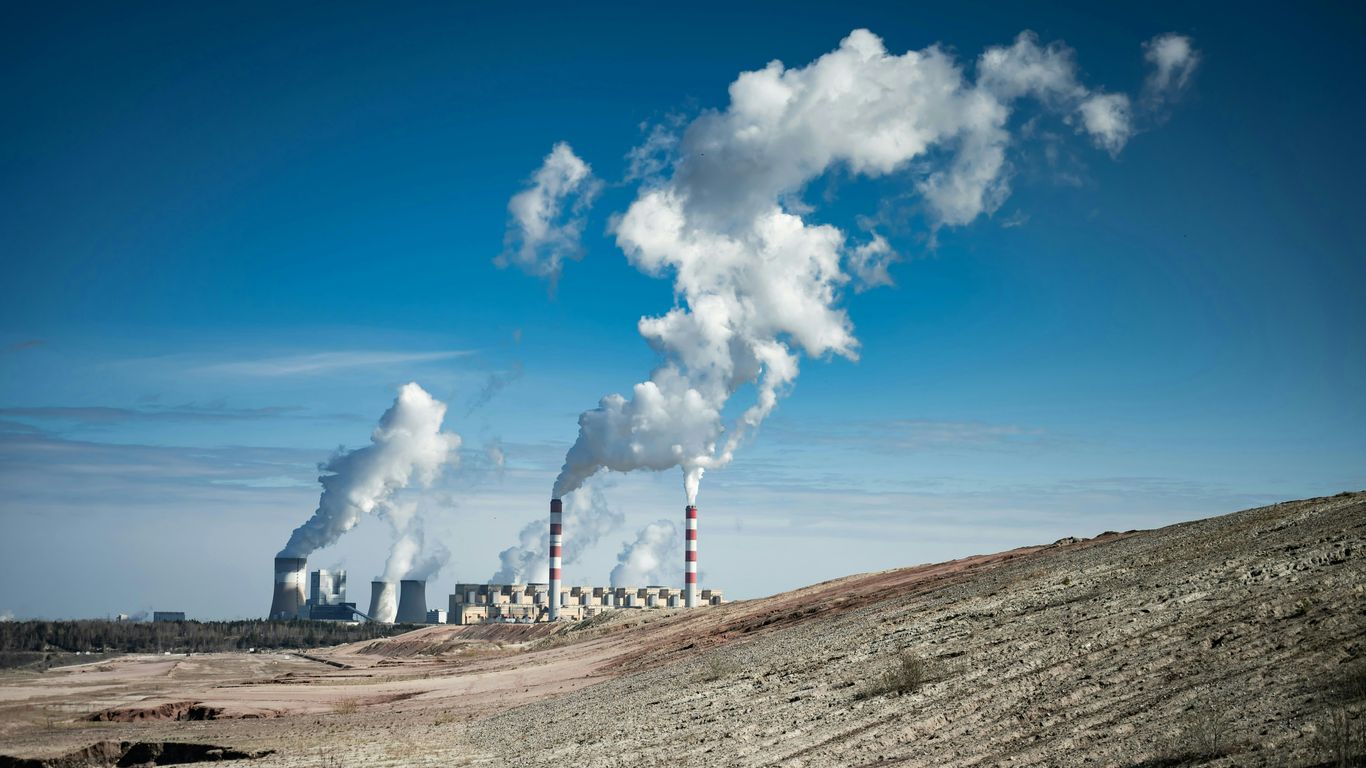
This is probably the big one everyone talks about. Burning fossil fuels like coal, oil, and natural gas to create electricity or heat our homes releases a lot of greenhouse gases into the atmosphere. Think carbon dioxide and methane. These gases trap heat, and over time, that’s what leads to climate change. We’re seeing more extreme weather, rising sea levels, and all sorts of other problems because of it. The more energy we waste, the more fossil fuels we burn, and the worse these effects become.
Impacts Of Fossil Fuel Extraction And Use
Before we even get to burning fuel, there’s the whole process of getting it out of the ground. Mining for coal, drilling for oil and gas – these activities can really mess up the land. They can lead to habitat destruction, water pollution, and sometimes even oil spills that are disastrous for wildlife. Then there’s the transportation of these fuels, which also uses energy and carries its own risks. Even renewable energy sources, like building dams for hydropower, have their own environmental costs, like changing river ecosystems and affecting fish migration.
Environmental Damage From Renewable Energy Infrastructure
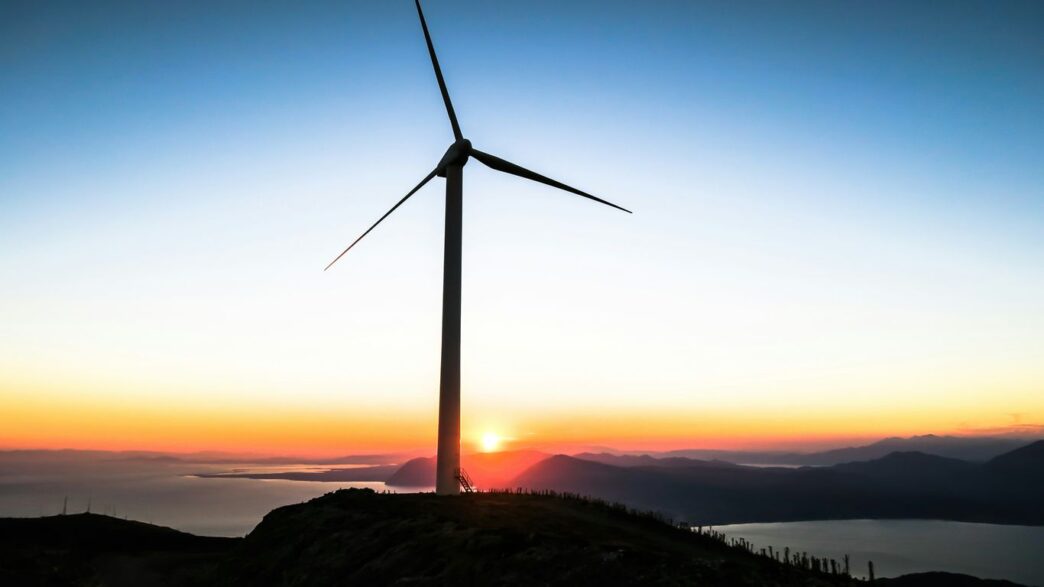
It’s true that renewables are generally better than fossil fuels, but they aren’t perfect. Building large solar farms or wind turbine arrays takes up a lot of space and can impact local wildlife and landscapes. Hydropower dams, as mentioned, can drastically alter river systems, affecting everything from fish populations to water quality downstream. Even the materials needed to build these technologies have an environmental footprint from their extraction and manufacturing. So, while we’re moving in the right direction, we still need to be mindful of the environmental trade-offs involved in building and maintaining our energy infrastructure.
Economic Hurdles In Implementing Energy Conservation
Let’s be real, trying to make our homes more energy-friendly often hits us right in the wallet. It’s not like flipping a switch; it’s usually a big project with a hefty price tag. This is a major roadblock for a lot of people who want to do their part but just can’t swing the costs.
The High Cost Of Home Renovations For Efficiency
So, you’ve got an older house, maybe built before anyone really thought about how much energy it would guzzle. You know you could save money and help the planet by upgrading things like insulation, windows, or heating systems. But here’s the kicker: these upgrades aren’t cheap. We’re talking thousands, sometimes tens of thousands, of dollars. Most of us don’t have that kind of cash lying around. It’s tough to justify spending a fortune on something that might take years to pay for itself in energy savings, especially when you’re already trying to manage a tight budget. It feels like a catch-22 – you need to spend a lot to save later, but you don’t have the money to spend now.
The Expense Of Building New, Energy-Conscious Housing
Okay, what about building new? You’d think starting fresh would be easier, right? Well, not always. Building a house with top-notch energy efficiency in mind often means using specialized materials and more complex designs. These things add to the upfront cost of construction. Developers might pass those costs onto buyers, making new, super-efficient homes even more expensive than standard ones. So, while they might save you money on energy bills down the line, getting into one in the first place can be a huge financial hurdle. It’s a tough pill to swallow when you’re already looking at mortgages and all the other costs that come with buying a new place.
Financial Burdens On Homeowners And Renters
This whole situation puts a lot of pressure on people. For homeowners, especially those on fixed incomes or who are older, the idea of shelling out for major renovations can be downright scary. They might want to stay in their homes longer, but the cost of making them more efficient feels out of reach. Renters often have even less control. They might not be able to make significant changes to their living space, and landlords might not see the financial benefit of investing in energy efficiency for properties they don’t live in. This leaves a lot of people stuck paying higher energy bills than they should, simply because they can’t afford the upfront investment needed to change things. It’s a cycle that’s hard to break out of without some serious help or a change in how these upgrades are financed.
Societal And Health Implications Of Energy Inefficiency
When we talk about energy waste, it’s easy to get caught up in the numbers – how much money is lost, how many tons of carbon are pumped into the air. But there’s a whole other side to this, a human side, that often gets overlooked. The way we use and waste energy has a pretty big impact on people’s lives and their health, and not in a good way.
Energy Poverty And Its Widespread Effects
First off, there’s the issue of energy poverty. This isn’t just about not being able to afford the latest gadgets; it’s about not being able to afford basic necessities like keeping your home warm in the winter or cool in the summer. When energy costs skyrocket, or when people live in poorly insulated homes that constantly leak heat, it puts a huge strain on household budgets. Families might have to choose between paying their energy bill and buying food or medicine. It’s a tough spot to be in, and it affects a lot more people than you might think, especially those on fixed incomes or in lower-paying jobs. This lack of access to reliable and affordable energy can lead to a whole cascade of problems, from poor nutrition to limited opportunities for education and work because you can’t even stay warm enough to study or work from home.
Health Hazards From Air Pollutants And Emissions
Then there are the direct health impacts from the energy we use, especially when it comes from burning fossil fuels. When power plants, furnaces, or even car engines burn coal, oil, or natural gas, they release tiny particles and gases into the air. You can’t see them, but they’re there. Things like fine particulate matter (PM2.5) can get deep into your lungs. Other pollutants, like sulfur dioxide and nitrogen oxides, can mess with your respiratory system and contribute to smog. These emissions are linked to serious health problems, including asthma, heart attacks, and even lung cancer. It’s not just about the big, dramatic events; it’s about the slow, steady damage that poor air quality does to our bodies over time. Think about kids growing up in areas with high pollution – their chances of developing respiratory issues are just higher.
The Link Between Energy Consumption And Healthcare Costs
All these health problems don’t just disappear; they end up costing us, both individually and as a society. When more people are sick due to air pollution or the stress of energy poverty, healthcare systems get strained. Doctor’s visits, hospital stays, medications – it all adds up. Some studies have suggested that reducing energy consumption, even by a modest amount nationwide, could save billions in healthcare costs. Imagine what that money could be used for instead – maybe better public health programs or more affordable healthcare for everyone. It’s a cycle: wasting energy leads to pollution and health issues, which then leads to higher healthcare expenses, which, in turn, can make it even harder for people to afford basic necessities, including energy. It’s a tough loop to break.
Challenges In Shifting Energy Consumption Habits
Human Nature And Short-Term Focus
Let’s be honest, changing how we do things is tough. We’re wired to think about what’s right in front of us, not necessarily what’s best for the planet or our wallets decades down the line. It’s like knowing you should eat more vegetables, but that slice of cake is just so much more appealing right now. This short-term thinking makes it hard to invest in energy-saving measures that might cost a bit upfront but save a lot later. Most people aren’t going to jump on a new insulation project if they can’t see the payoff quickly. We tend to wait until a problem is staring us in the face before we act, and by then, it’s often more complicated and expensive to fix.
Reliance On Existing Energy Infrastructure
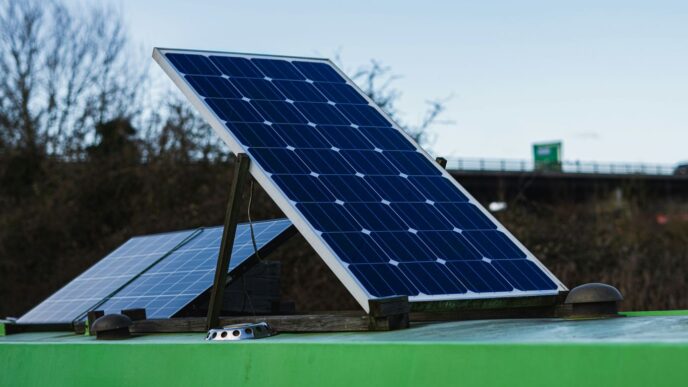
We’re pretty stuck with the way things are. Our homes, our cars, our appliances – they’re all built around the energy systems we’ve had for ages. Switching to something new, like electric heating or solar panels, means dealing with a whole new setup. It’s not just about buying a new gadget; it’s about making sure your house can handle it, or that the power grid can support it. Think about it: if your neighborhood’s power lines aren’t up to snuff, putting in a bunch of electric car chargers might cause problems. It takes a lot of time and money to upgrade these big systems, and until that happens, we’re kind of stuck using what we’ve got, even if it’s not the most efficient.
The Difficulty Of Changing Established Lifestyles
Our daily routines are pretty set in stone. We’re used to turning on the lights, cranking the heat, and driving where we need to go without much thought. Making big changes to these habits feels like a chore. It’s not just about flipping a switch; it’s about rethinking how we live. Do we take shorter showers? Do we plan our errands better to drive less? Do we adjust the thermostat before bed? These might seem like small things, but they add up, and they require a conscious effort that many people just don’t have the energy for after a long day. It’s easier to keep doing what we’ve always done, even if we know there are better ways.
Addressing The Inefficiencies In Energy Distribution
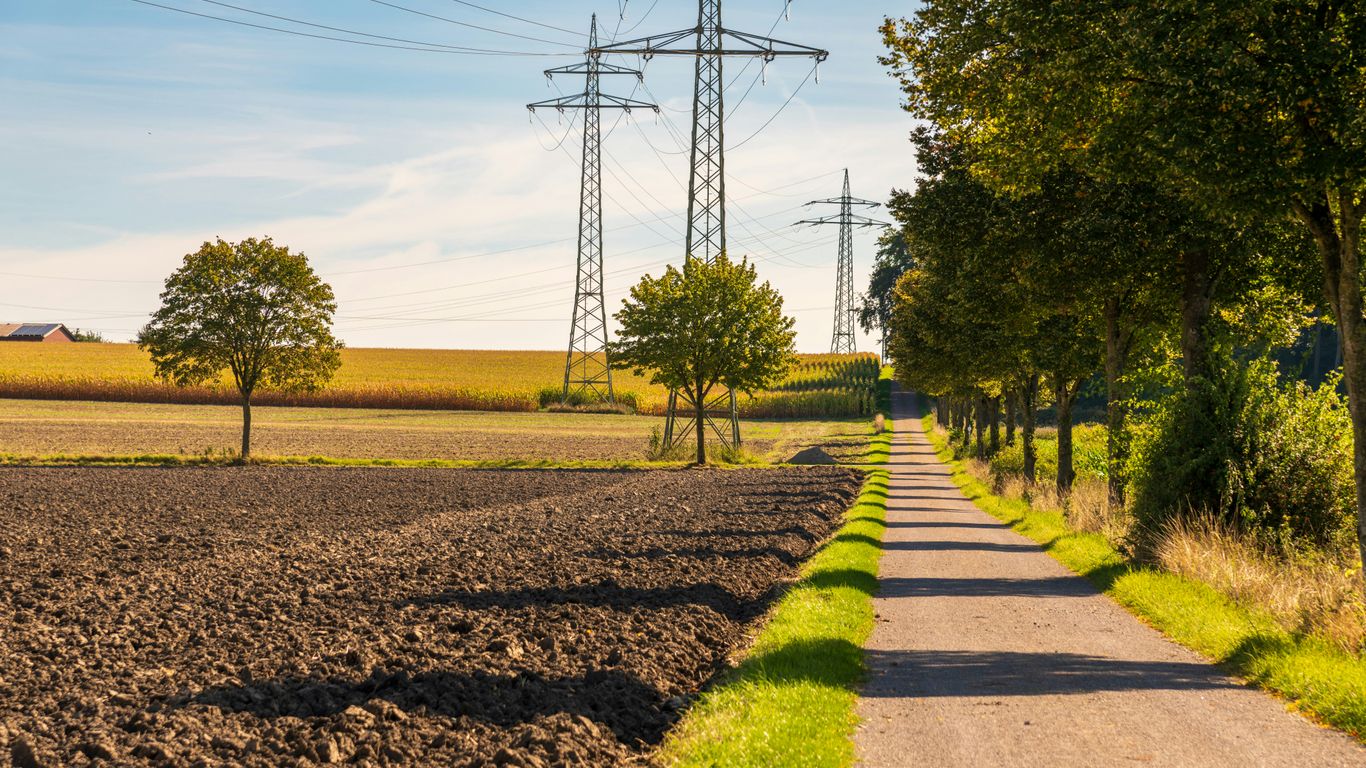
Even when we get energy from the power plant, a lot of it just disappears before it even gets to our homes. Think of it like trying to carry water in a leaky bucket – some is bound to spill out along the way. This happens through transmission and distribution lines, which are basically long wires carrying electricity across vast distances. These lines aren’t perfect, and some energy naturally gets lost as heat during this journey. It’s a bit like friction, but with electricity.
Energy Losses During Transmission and Distribution
These losses aren’t just a small hiccup; they add up. The further electricity has to travel, the more energy is lost. Older infrastructure and the sheer length of the grid contribute to this problem. It means that the energy we generate has to be more than what we actually use, just to account for what’s lost along the way. This inherent waste in getting power from point A to point B is a significant drain on our overall energy resources.
The Inherent Waste In Power Generation
When we talk about power generation, especially from sources like coal or natural gas, a lot of energy is lost as heat. These power plants aren’t super efficient at turning fuel into electricity. For example, a typical fossil fuel plant might only convert about 30-50% of the energy in the fuel into usable electricity. The rest? It’s mostly wasted as heat. So, even before the electricity hits the transmission lines, a big chunk of the energy is already gone.
The Need For Grid Modernization
To tackle these distribution and generation losses, we really need to update our energy grid. Modernizing the grid means using smarter technologies and better infrastructure. This could involve things like:
- Upgrading old transmission lines to reduce resistance and heat loss.
- Implementing smart grid technologies that can better manage electricity flow and reduce waste.
- Exploring decentralized energy systems, where power is generated closer to where it’s used, cutting down on long-distance transmission.
- Improving the efficiency of power plants themselves, though this is a separate, though related, challenge.
So, What’s the Takeaway?
Look, we’ve talked a lot about why saving energy is a good idea, and honestly, it is. But it’s not just about flipping a switch or buying a fancy new appliance. The real challenge is getting people to think beyond just saving a few bucks on their utility bill. It’s about understanding that wasting energy costs us more than just money – it impacts our health, our environment, and even our future security. Shifting our mindset from just being ‘efficient’ to truly ‘conserving’ is a big ask, and it requires more than just new tech. It needs a real change in how we live and how we think about the resources we use every single day. It’s a tough nut to crack, but it’s definitely worth the effort.