We all hear about saving energy, right? Like turning off lights or using less hot water. But when you really dig into it, there’s more to it than just flicking a switch. This whole energy thing is pretty complicated, and figuring out what the problem is with energy conservation can get a little messy. It’s not just about being thrifty; it touches on big environmental issues, costs a lot of money, and even affects our health. Let’s break down why this topic is trickier than it seems.
Key Takeaways
- Energy conservation means not using energy at all, which is different from energy efficiency, where you use less energy to do the same thing. Think turning off a light versus switching to an LED.
- Wasting energy contributes to environmental problems like greenhouse gas emissions from burning fossil fuels, impacting climate change and air quality.
- Making homes more energy efficient can be really expensive, involving costly renovations or new construction, which many people can’t afford.
- Energy waste and the high cost of energy can lead to energy insecurity and poverty, making it hard for people to afford basic heating and cooling.
- There are big challenges in upgrading our energy systems and changing how we use energy, involving infrastructure changes and overcoming people’s habits and preferences.
Understanding The Core Distinction: Efficiency Versus Conservation
Okay, let’s get real about energy. We use a ton of it, and honestly, a lot of it just goes to waste. But there’s a difference between just saving energy and actually conserving it, and it’s a pretty big deal. Think of it like this: saving energy is about being smarter with what you’ve got, while conserving energy is about using less of it altogether.
Defining Energy Efficiency
Energy efficiency is basically about getting the same job done using less power. It’s like upgrading your old light bulbs to LEDs. The light bulb still does its job – lighting up the room – but it uses way less electricity to do it. This often involves new technology or better-designed products. So, when your washing machine uses less water and electricity to get your clothes clean, that’s efficiency in action. It’s about optimizing the process.
Defining Energy Conservation
Energy conservation, on the other hand, is more about changing our habits and behaviors to reduce our overall energy use. It’s not necessarily about using a better tool; it’s about deciding if you even need to use the tool at all. For example, turning off lights when you leave a room is conservation. Not running your dishwasher until it’s completely full, or even washing some clothes by hand if it makes sense, are also conservation efforts. The most valuable kilowatt is the one you don’t use. It’s about cutting back at the source.
The Nuance Between Saving Energy and Conserving It
So, where’s the line? It can get blurry. Upgrading to a super-efficient furnace saves energy compared to an old clunker, but is it conservation? Not really. It’s still using energy to heat your home. Conservation would be deciding to wear a sweater indoors instead of cranking up the heat. Both have their place, but conservation often tackles the problem at a more fundamental level. We often focus on efficiency because it feels more achievable and less disruptive to our daily lives, but true conservation means making conscious choices to reduce our demand, which has a bigger impact on the bigger picture, like cutting down on emissions and reducing our reliance on finite resources.
The Environmental Imperative: Addressing Carbon Emissions
Defining Energy Efficiency
Energy efficiency is basically about getting the same amount of service or output for less energy input. Think of it like this: your old incandescent light bulb uses a lot of electricity to produce light, but also a ton of heat. An LED bulb, on the other hand, gives you the same brightness but barely gets warm, using way less power. That’s efficiency in action. It’s about smarter technology and better design that makes our appliances, vehicles, and buildings work harder without hogging more energy. The goal is to do more with less energy.
Defining Energy Conservation
Energy conservation is a bit broader. It’s about actively reducing the total amount of energy we use, period. This can involve efficiency improvements, sure, but it also includes changing our habits. For example, turning off lights when you leave a room, taking shorter showers, or choosing to walk or bike instead of driving are all acts of conservation. It’s about making conscious choices to consume less energy overall, even if the technology we’re using isn’t necessarily the most efficient available.
The Nuance Between Saving Energy and Conserving It
So, what’s the real difference? Efficiency is about how we use energy – making sure we’re not wasting it through poor design or outdated tech. Conservation is about whether we use energy at all – making deliberate choices to reduce our consumption. You can have an efficient home, but if you leave all the windows open in winter while the heating is on, you’re not conserving energy. Conversely, you could have an older, less efficient car, but if you only drive it when absolutely necessary, you’re practicing conservation. Both are important for tackling our energy challenges, but they tackle them from different angles.
Fossil Fuels And Greenhouse Gas Contributions
Let’s face it, a huge chunk of the energy we use comes from burning fossil fuels like coal, oil, and natural gas. When we burn these, they release greenhouse gases, primarily carbon dioxide (CO2), into the atmosphere. These gases act like a blanket, trapping heat and warming the planet. It’s a pretty direct link: more fossil fuel use means more greenhouse gases, which means a warmer climate. In 2021, for instance, Canada saw about 28% of its total greenhouse gas emissions come from the oil and gas sector alone, with transportation adding another 22%. That’s a massive contribution to the problem.
The Broader Environmental Footprint Of Energy Production
It’s not just about what happens when we burn fuel. The entire process of getting energy to our homes and businesses has an environmental cost. Think about mining for coal, drilling for oil, building massive dams for hydropower, or transporting fuels. All these activities use energy themselves, and they can disrupt ecosystems, pollute water, and destroy habitats. Even seemingly clean sources like hydropower can have impacts, like changing river flows and affecting fish populations. So, even before we flip a switch or turn on an engine, energy production leaves its mark on the planet.
Connecting Conservation To Emission Reduction Goals
This is where energy conservation and efficiency really shine. By using less energy overall, we directly reduce the demand for energy production, especially from fossil fuels. If we need less electricity, power plants burn less coal or gas. If we drive less, we burn less gasoline. This translates directly into fewer greenhouse gas emissions. For example, electric vehicles (EVs) are much more efficient at converting energy to motion than gasoline cars. While they still have an emissions footprint from manufacturing and electricity generation, their overall impact from cradle to grave is significantly lower. Reducing our energy consumption is one of the most straightforward ways we can help meet climate goals.
Here’s a quick look at where emissions come from:
- Oil and Gas Sector: Around 28% of total greenhouse gas emissions (Canada, 2021).
- Transportation: About 22% of total greenhouse gas emissions (Canada, 2021).
- Buildings: Roughly 13% of total greenhouse gas emissions (Canada, 2021).
- Heavy Industry: Contributes about 11% of total greenhouse gas emissions (Canada, 2021).
Every kilowatt-hour saved, every mile not driven, every degree lower on the thermostat in winter, all add up to a smaller carbon footprint.
Economic Hurdles In Implementing Conservation Measures

Let’s be real, trying to make our homes and buildings more energy-friendly often hits a wall: money. It’s not always cheap to make these changes, and that’s a big reason why we don’t see more of it happening.
The High Cost Of Home Renovations For Efficiency
Think about older homes, the kind that make up a huge chunk of our housing stock. Many were built way before anyone really thought about saving energy. We’ve got the know-how and the tech to upgrade them, but the price tag can be a real shocker. Homeowners often can’t afford the big overhauls needed, or they’re just not willing to pay for improvements they won’t see the benefit of right away. It’s a tough spot to be in when you want to do the right thing but your wallet says otherwise.
Financial Burdens Of New Housing Construction
Building new homes that are super energy efficient isn’t exactly a bargain either. You’ve got costs for land, extending utilities, roads, and then all the materials and labor for the actual building. Plus, every single thing that goes into a new house, from the foundation to the light fixtures, has an energy cost associated with its production and transport. As prices for materials keep climbing and it gets harder to find space for new developments, especially near cities, these costs are only going to climb higher. It’s a complex puzzle, especially when we know we need to build a lot more housing.
The Expense Of Relocating Versus Upgrading
Sometimes, people might look at the cost of upgrading an older, inefficient home and think it’s cheaper to just move. But then you’re faced with the costs of buying a new place, selling the old one, and all the moving expenses. It’s a trade-off that doesn’t always make financial sense, especially if the new place isn’t significantly more energy efficient or if it comes with its own set of hidden costs. The upfront investment for significant energy upgrades can feel overwhelming, making it seem like a better option to just keep paying higher energy bills or to move, neither of which truly solves the underlying problem of energy waste.
Here’s a look at some typical costs associated with energy efficiency upgrades:
| Upgrade Type | Estimated Cost Range (USD) |
|---|---|
| New Windows (per window) | $400 – $1,000 |
| Insulation (attic) | $1,000 – $3,000 |
| High-Efficiency Furnace | $4,000 – $8,000 |
| Heat Pump Installation | $5,000 – $10,000 |
| Energy Audit | $300 – $600 |
These figures can vary wildly depending on your location, the size of your home, and the specific products you choose. It’s clear that even smaller upgrades can add up quickly, and major renovations can easily run into tens of thousands of dollars.
Societal Impacts: Energy Insecurity And Health Concerns
Vulnerability to Energy Poverty
When we waste energy, we’re not just being careless; we’re contributing to a bigger problem that can leave people in the cold, literally. Energy poverty is a real issue for a lot of folks. It means not being able to afford enough heat in the winter or electricity to run essential appliances. This isn’t just about comfort; it’s about basic needs. If energy becomes scarce or too expensive because of waste and inefficient systems, those who can least afford it suffer the most. It puts people at the mercy of fluctuating global prices and policy changes, making it hard to plan or even stay warm.
The Link Between Energy Waste and Public Health
Burning fossil fuels for energy, especially when done inefficiently, releases all sorts of nasty stuff into the air. Think tiny particles (PM2.5) that you can’t even see, sulfur dioxide, and nitrogen oxides. When we breathe these in, they can cause serious health problems. We’re talking about increased rates of asthma, lung issues, and even heart problems. It’s estimated that reducing electricity use even a little bit could save millions of dollars in healthcare costs annually. So, wasting energy isn’t just bad for the planet; it’s bad for our lungs and our overall well-being. It’s a hidden cost that affects everyone, especially those living near power plants or in areas with poor air quality.
Ensuring Access to Affordable Energy
Making sure everyone has access to reliable and affordable energy is a huge challenge. When we talk about energy conservation, it’s easy to focus on the environmental benefits or saving a few bucks on a bill. But we also need to think about how our current energy systems, and our habits within them, can create or worsen energy insecurity. This means looking at how we build our homes, how we transmit power, and how we use it. Investing in energy efficiency and conservation isn’t just about saving resources; it’s about building a more equitable and healthier society for everyone. It means considering the long-term costs and benefits, not just the immediate price tag, and finding ways to support those who are most vulnerable to energy price hikes and shortages.
Infrastructure And Systemic Energy Losses
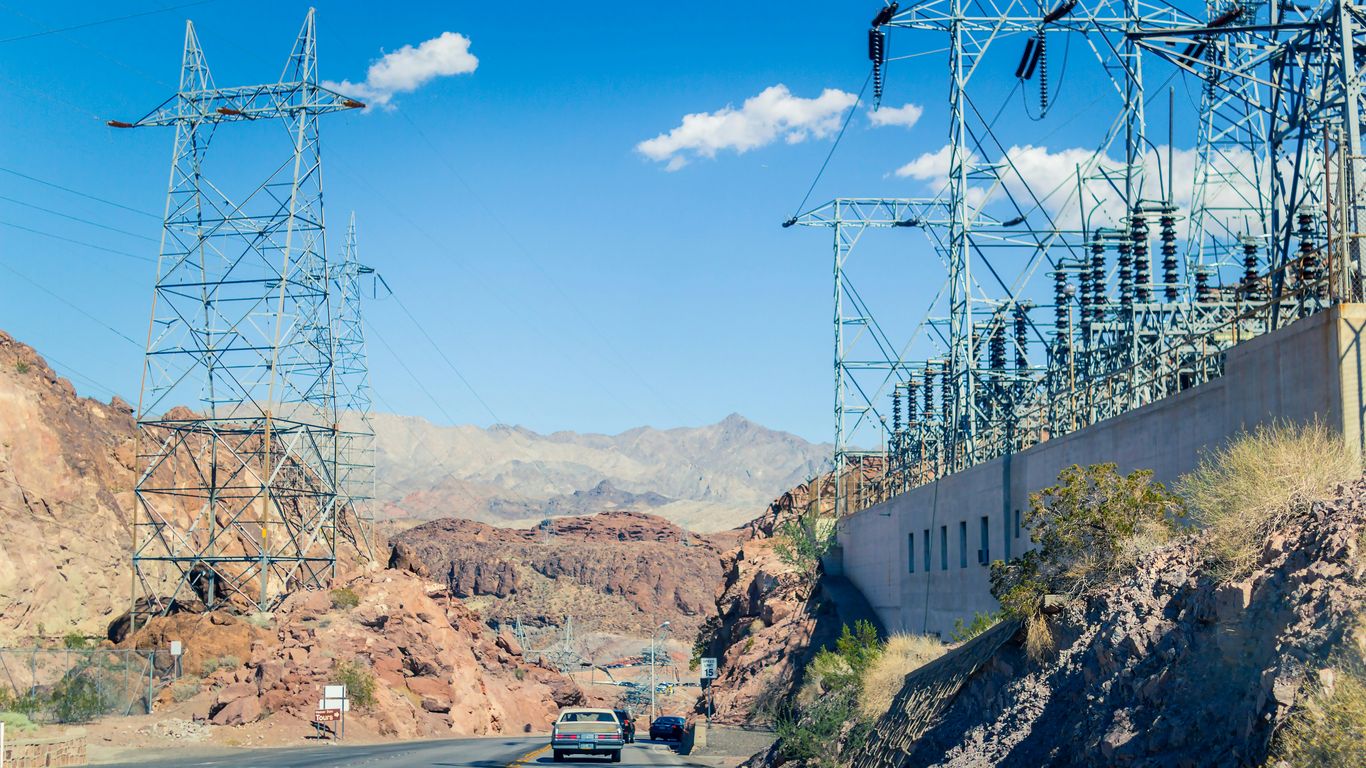
When we talk about saving energy, it’s easy to focus on what we do at home, like turning off lights or using efficient appliances. But a huge chunk of energy gets lost before it even reaches our homes, or even before it’s generated in the first place. It’s like trying to fill a leaky bucket – no matter how careful you are with the tap, a lot of water just disappears.
Energy Waste In Transmission And Distribution
Think about the journey electricity takes from the power plant to your wall socket. It’s a long trip, and along the way, a significant amount of energy just vanishes into thin air. This happens because of the resistance in the wires and the sheer distance the power has to travel. It’s a bit like friction, but for electricity.
- Resistance in wires: The materials used for power lines aren’t perfect conductors. As electricity flows, some of its energy turns into heat, which is just lost to the surroundings.
- Distance: The further the electricity has to travel, the more opportunities there are for this energy loss to occur.
- Transformers and substations: While necessary for changing voltage levels, these components also have their own inefficiencies, contributing to the overall loss.
This loss isn’t trivial. Depending on the grid’s age and design, anywhere from 5% to 10% (or even more in some older systems) of the electricity generated can be lost just in getting it to us. That’s energy that was produced, often using fossil fuels, only to be wasted.
The Energy Cost Of Energy Production Infrastructure
It’s not just about the power lines. The very act of creating energy requires a massive amount of energy itself. Building and maintaining power plants, whether they run on coal, natural gas, nuclear, or even renewables like solar and wind, takes a lot of fuel and effort.
- Fossil fuels: Extracting, transporting, and refining coal, oil, and natural gas all consume significant amounts of energy. We use fossil fuels to get more fossil fuels.
- Renewables: Even solar panels and wind turbines need energy to be manufactured, transported, and installed. Mining the materials for batteries and turbines, and the construction of dams for hydropower, all have an energy footprint.
- Maintenance: Power plants, regardless of type, need constant upkeep, repairs, and replacement parts, all of which require energy to produce and deliver.
So, when we talk about the energy cost of a kilowatt-hour of electricity, we’re not just talking about the energy that comes out of the generator. We have to account for all the energy that went into building and running the whole system that makes that kilowatt-hour possible.
Challenges In Shifting Energy Sources
Moving away from old energy systems to new ones isn’t as simple as flipping a switch. Our current infrastructure is built around fossil fuels, and changing that involves massive undertaking.
- Grid modernization: Our electrical grids were largely designed for a one-way flow of power from large, centralized plants. Integrating distributed renewable sources (like rooftop solar) and managing the variable nature of wind and solar power requires significant upgrades.
- Storage solutions: Renewables like solar and wind aren’t always available when we need them. Developing and deploying large-scale energy storage solutions (like batteries) is expensive and still has its own energy costs.
- Intermittency: Dealing with the fact that the sun doesn’t always shine and the wind doesn’t always blow requires backup systems or a very robust and flexible grid, both of which present their own set of challenges and energy demands.
Ultimately, a lot of energy is lost in the system before it even gets to us, and the infrastructure needed to produce and deliver that energy also consumes a lot of energy. This systemic waste is a major hurdle when we try to conserve energy overall.
Behavioral And Psychological Barriers To Conservation
It turns out, getting people to actually do the energy-saving stuff is harder than it looks. We’re talking about more than just installing fancy new appliances or better insulation, though those are important. It’s about what goes on in our heads and how we act day-to-day.
The Human Tendency To Prioritize Immediate Needs
Honestly, who thinks about saving energy for the planet when they’re worried about paying rent next week or getting dinner on the table tonight? Our brains are wired to deal with what’s right in front of us. Long-term benefits, like a slightly lower energy bill in a few years or helping to slow down climate change, just don’t have the same punch as immediate problems. It’s like knowing you should eat more vegetables but grabbing that donut because, well, it’s right there and it tastes good now. This is a big reason why conservation efforts often fall flat. People need to see or feel the benefit quickly, or it just doesn’t register as a priority.
Overcoming Resistance To Long-Term Benefits
So, how do we get past this? It’s tricky. For starters, making the benefits more obvious and immediate helps. Think about those smart thermostats that learn your habits and adjust automatically – they save energy without you really having to do anything. Or rebates and incentives that give you money back right away for upgrading to efficient appliances. It’s about bridging that gap between the effort now and the reward later. We also need to make conservation feel less like a chore and more like a smart choice. When people understand why it matters, and see that it doesn’t have to be a huge sacrifice, they’re more likely to get on board. It’s a slow process, for sure.
The Role Of Policy In Driving Conservation
This is where governments and big organizations can really step in. Policies can nudge people in the right direction. Think about building codes that require new homes to be more energy-efficient from the start. Or utility companies offering special rates for using less energy during peak times. Sometimes, it’s about making the less-efficient options more expensive, so the efficient ones look more appealing. It’s not always popular, but these kinds of rules can make a big difference over time. They create a baseline that everyone has to meet, which helps shift the whole conversation around energy use. It’s like setting the default to ‘save energy’ instead of ‘use energy’.
So, What’s the Takeaway?
Look, figuring out energy conservation isn’t exactly a walk in the park. We’ve seen it’s way more than just swapping out light bulbs or buying a fancy new appliance. It’s about rethinking how we use energy at its core, which touches everything from our wallets and our health to the planet itself. While technology offers some cool solutions, it’s not the whole story. We’ve got to get smarter about simply using less, and that means making some tough choices, both as individuals and as a society. It’s a big puzzle, for sure, but ignoring it isn’t an option anymore.