It’s pretty wild how much 3D printing is changing things in medicine these days. You know, the stuff that used to take ages or was just plain impossible is now becoming a reality, layer by layer. From making parts for people’s bodies to printing out models that help surgeons practice, it’s a huge step forward. We’re talking about a real 3d printing medical breakthrough that’s making treatments more personal and effective. It’s not just for big hospitals either; more places are getting their own printers, which is speeding everything up and making things more affordable.
Key Takeaways
- 3D printing allows for custom implants and prosthetics that fit patients perfectly, improving comfort and function.
- Patient-specific anatomical models help surgeons plan and practice complex procedures, leading to better outcomes.
- The technology is used to create precision surgical instruments and custom medical devices, speeding up production.
- Bioprinting is an emerging field aiming to create living tissues and organs, addressing organ shortages.
- 3D printing is also impacting drug development, enabling personalized medications with fewer side effects.
Revolutionary 3D Printing Medical Breakthroughs
It’s pretty wild how fast technology is changing things, especially in medicine. 3D printing, for example, has gone from being a cool gadget to something that’s genuinely making a difference in how patients are treated. We’re talking about creating things that are perfectly suited for each individual, which is a huge step up from the one-size-fits-all approach we’ve had for ages.
Customized Implants and Prosthetics
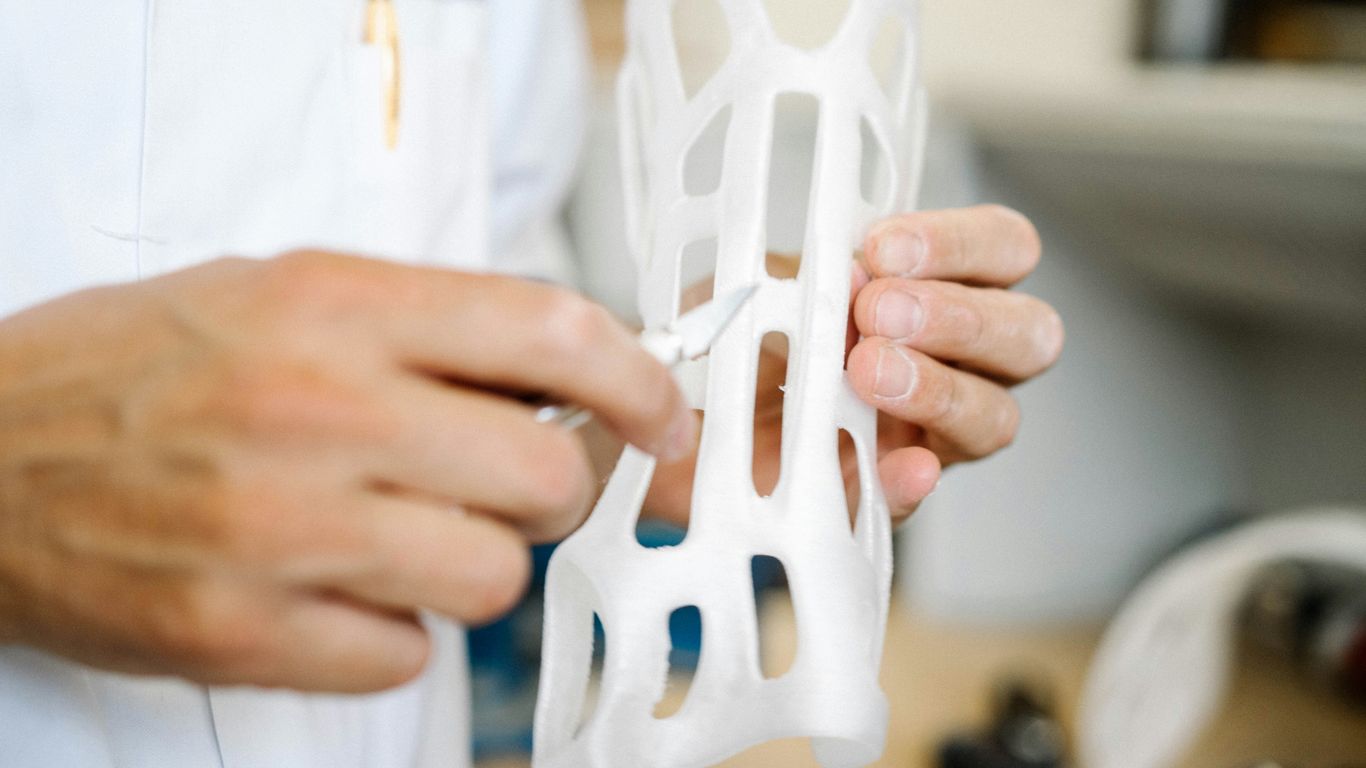
One of the biggest areas where 3D printing is shining is in making custom implants and prosthetics. Think about it: instead of trying to fit a standard-sized prosthetic limb, doctors can now create one that’s molded exactly to a person’s body. This means a much better fit, more comfort, and generally better results. It’s especially helpful for kids who are growing and need adjustments more often. The same goes for implants, like those used in bone and cartilage repair. A study back in 2021 showed that 3D printing has really changed how we handle injuries to bones and joints. It’s not just about making things fit better; it’s about making them work better too. This technology allows for the production of patient-specific implants, prosthetics, and anatomical models, leading to better fit, improved functionality, and enhanced patient outcomes. This technology significantly enhances patient care.
Patient-Specific Anatomical Models
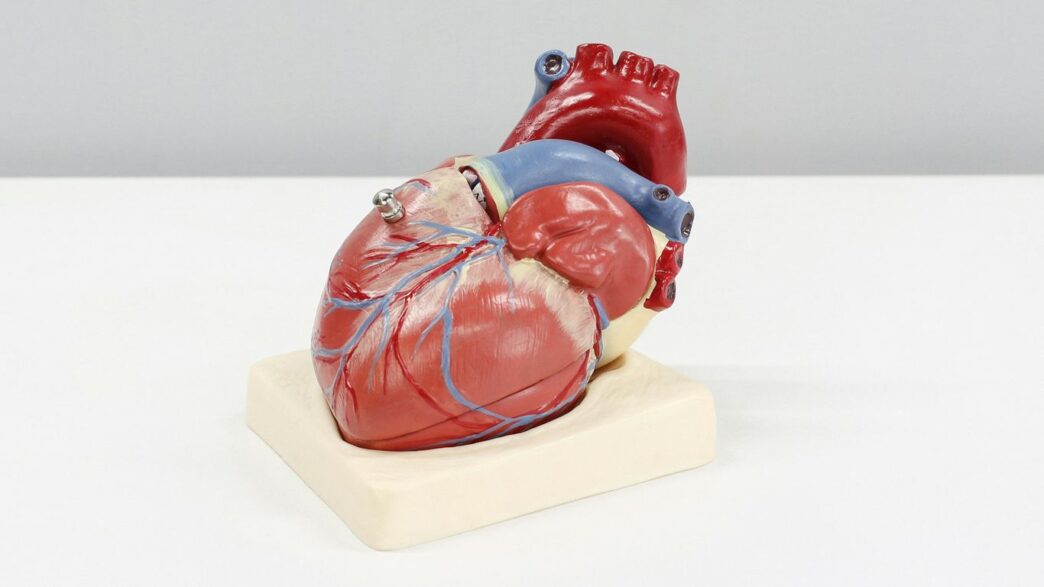
Surgeons are also getting a big boost from 3D printing. They can now print out incredibly detailed models of a patient’s organs, bones, or even tumors. This isn’t just for show; it’s a serious tool for planning complicated surgeries. Imagine being able to practice a procedure on a physical model before you even step into the operating room. It helps doctors figure out the best approach, spot potential problems, and generally makes the whole surgery smoother. Studies have shown that using these 3D models can actually cut down on surgery time quite a bit, saving hours and thousands of dollars per case. It’s like having a crystal ball for the operating room.
Precision Surgical Instruments
Beyond models, 3D printing is also being used to create specialized surgical tools. Need a clamp with a slightly different angle? Or a retractor that’s just the right size? Instead of waiting weeks for a custom tool, hospitals can potentially print them on-demand. This means surgeons can get exactly what they need, when they need it, which can be a game-changer during a procedure. It speeds up the process and allows for quick tweaks based on surgeon feedback, making the tools more effective for specific tasks.
Advancing Surgical Planning and Execution
When surgeons can actually hold a patient’s anatomy in their hands before walking into the operating room, it changes everything. That’s the power of 3D printing in surgery. We’re talking about creating exact replicas of a patient’s organs, bones, or even complex vascular systems. This isn’t just a cool gadget; it’s a serious tool that helps doctors prepare for tricky procedures. Having a physical model allows for a much deeper understanding of the unique challenges a specific surgery might present.
Think about it: instead of just looking at 2D scans on a screen, surgeons can now practice on a 3D model. They can identify potential problems, figure out the best approach, and even rehearse the steps. This kind of pre-operative rehearsal with anatomical replicas can make a huge difference. Studies have shown that using these patient-specific models can significantly cut down on the time spent in surgery. For example, some research indicates a reduction of over an hour in operating times, which also translates to lower costs and less risk for the patient. It’s like having a detailed map for a complex journey.
Here’s how it breaks down:
- Better Visualization: Surgeons get a tangible, true-to-life representation of the patient’s anatomy, far beyond what standard imaging can provide.
- Practice Makes Perfect: Complex procedures can be rehearsed multiple times on the replica, reducing surprises during the actual operation.
- Improved Communication: These models can also be used to explain the surgery to the patient, making them feel more involved and informed about their care.
This technology is really bridging the gap between digital imaging and physical exploration, giving medical professionals a powerful new way to prepare. It’s a big step forward in making surgeries safer and more effective, and it’s exciting to see how it’s changing the game for surgical planning.
Beyond just planning, 3D printing is also being used to create custom surgical instruments. These aren’t your standard tools; they’re designed for very specific tasks or to fit a particular surgeon’s needs. This level of customization means instruments can be more precise, leading to better results. The ability to rapidly prototype and iterate on these tools, often with direct input from surgeons, means innovation happens much faster. Companies are already seeing how this speeds up the development of new surgical aids, allowing for quick adjustments based on surgeon feedback. This collaborative approach is key to developing the next generation of medical tools that can truly improve patient outcomes and streamline procedures, as seen in the work of companies like Medtronic who are using 3D printers to rapidly develop prototypes.
Bioprinting: The Future of Tissue and Organ Regeneration
This is where things get really sci-fi, but it’s happening now. Bioprinting is basically using 3D printing technology to create living tissues and, eventually, whole organs. Imagine printing a new piece of skin for someone who’s been badly burned, or even a replacement kidney. It sounds like something out of a movie, but researchers are making serious progress.
Printing Living Tissues and Skin Grafts
One of the more immediate applications of bioprinting is creating skin grafts. For burn victims or people with chronic wounds, getting a good skin graft can be a game-changer. Instead of relying on donor skin or artificial coverings, doctors could potentially print custom skin grafts using the patient’s own cells. This reduces the risk of rejection and speeds up healing. It’s a complex process, involving special "bio-inks" made from living cells and biomaterials that support cell growth. The goal is to create tissue that functions just like natural skin. This technology offers practical solutions for medical applications, paving the way for innovative treatments [9ee3].
Developing Functional Heart Valves and Organs
Moving beyond skin, the big dream is to print complex organs like hearts, livers, and kidneys. This is a much bigger challenge. It’s not just about printing the shape; it’s about getting all the different cell types to work together, creating blood vessels, and making sure the organ can actually do its job. Scientists are working on printing functional heart valves, which could be a huge step towards creating entire, working organs. The process involves carefully layering different types of cells and scaffolding materials to mimic the intricate structure of natural organs. The hope is that one day, we won’t have to wait for organ donors anymore.
Addressing Organ Shortage Challenges
The organ shortage is a massive problem worldwide. Thousands of people are on waiting lists, and sadly, many don’t survive long enough to receive a transplant. Bioprinting could completely change this. If we can reliably print organs on demand, it would mean that anyone who needs an organ could get one, made specifically for them. This could save countless lives and improve the quality of life for many more. The potential for three-dimensional (3D) bioprinting of organs on demand is a promising area in tissue engineering [ea3e].
Here’s a quick look at the steps involved in bioprinting an organ:
- Cell Sourcing: Gathering the right types of cells, often from the patient themselves.
- Bio-ink Formulation: Mixing cells with a gel-like substance that acts as a scaffold and provides nutrients.
- 3D Printing: Layering the bio-ink according to a digital model of the organ.
- Maturation: Incubating the printed tissue in a bioreactor to allow it to develop into functional tissue or an organ.
Personalized Medicine and Drug Development
This is where things get really interesting, moving beyond just physical objects to how we treat illnesses. 3D printing is opening up totally new ways to create medicines that are made just for you. Think about it – instead of a one-size-fits-all pill, you could get something designed specifically for your body and your condition. This level of customization could really change how effective treatments are and cut down on those annoying side effects.
Tailored Medications for Individual Needs
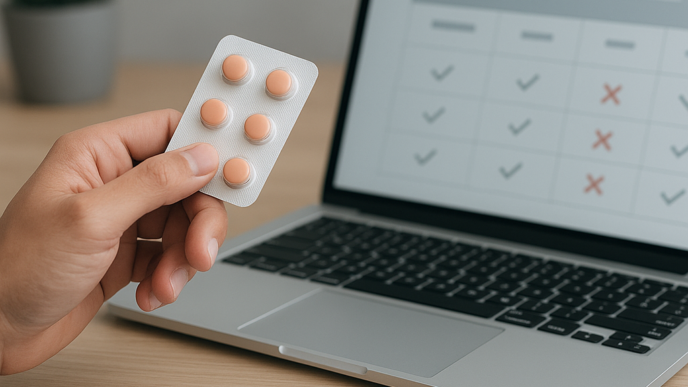
We’re talking about creating pills with exact dosages, or even combining multiple medications into a single tablet that releases them at just the right time. It’s like having a personal pharmacist who knows your body’s unique needs. This approach is a big step towards truly individualized healthcare, moving away from generalized treatments. Companies are exploring how to use this technology to speed up the process of getting new drugs developed and tailored for specific patient groups. It’s all about making sure you get the right medicine, in the right amount, at the right time. You can find out more about these innovative drug delivery systems here.
Improving Treatment Effectiveness and Reducing Side Effects
When a medication is precisely matched to a patient’s metabolism and condition, it works better. Less medication might be wasted, and the chances of experiencing negative reactions go down. This means treatments can be more successful, and patients can feel better faster, with fewer disruptions to their daily lives. It’s a win-win situation for both patients and doctors.
Accelerating Pharmaceutical Research Cycles
Developing new drugs usually takes a very long time and costs a lot of money. 3D printing can speed things up significantly. Researchers can quickly create and test different drug formulations, seeing what works best much faster than before. This allows for quicker development and deployment of new medical technologies. It also means that if a drug isn’t working as expected, scientists can pivot and try something else without losing months of work. This rapid prototyping is a game-changer for the pharmaceutical industry, helping to bring needed treatments to market sooner. The potential for highly individualized healthcare is becoming a reality.
Transforming Medical Equipment Manufacturing
It’s pretty wild how 3D printing is changing the game for making medical stuff. Forget those massive factories and long waits for specialized tools. Now, hospitals and clinics can actually make some of this equipment right there, on-site. This is a huge deal, especially when things get crazy, like during a pandemic when we saw shortages of things like ventilators. A team at Oregon Health & Science University even figured out how to make a working ventilator for less than ten bucks using 3D printing. That’s the kind of innovation that really matters.
Rapid Prototyping of Medical Devices
Think about how long it used to take to get a new medical device from an idea to something you could actually use. With 3D printing, that whole process speeds up like crazy. Companies can whip up a prototype, test it, tweak it, and print another one – sometimes in just a day. This means new gadgets and tools get into the hands of doctors and patients much faster. It’s not just about speed, though. It allows for a lot more creativity and trying out different designs without breaking the bank on traditional manufacturing.
Cost-Effective Production of Custom Tools
Making one-off, custom parts used to be super expensive. But 3D printing changes that. For things that aren’t mass-produced, like specialized surgical guides or unique implants, printing them on demand can be way cheaper than setting up a whole production line. This is especially true for smaller batches or highly personalized items. It means that even if a patient needs something really specific, it might actually be affordable to make. This technology is making customized medical devices more accessible than ever before.
Mitigating Supply Chain Challenges
Remember all those stories about supply chain problems? 3D printing offers a way around that. When there’s a shortage of a specific part or device, or if shipping gets disrupted, having the ability to print what you need locally is a lifesaver. It means hospitals can keep things running smoothly without relying solely on distant suppliers. This on-demand manufacturing capability is becoming increasingly important for healthcare providers looking to maintain a steady supply of critical equipment and improve patient support.
Here’s a quick look at how 3D printing helps:
- Faster Development: Go from concept to physical prototype quickly.
- Reduced Costs: Cheaper for custom or low-volume items.
- On-Demand Availability: Make parts when and where you need them.
- Design Freedom: Create complex shapes traditional methods can’t.
This shift is really reshaping how medical equipment is made, making it more flexible, affordable, and responsive to the needs of patients and healthcare providers alike.
The Growing Impact of In-House 3D Printing Facilities
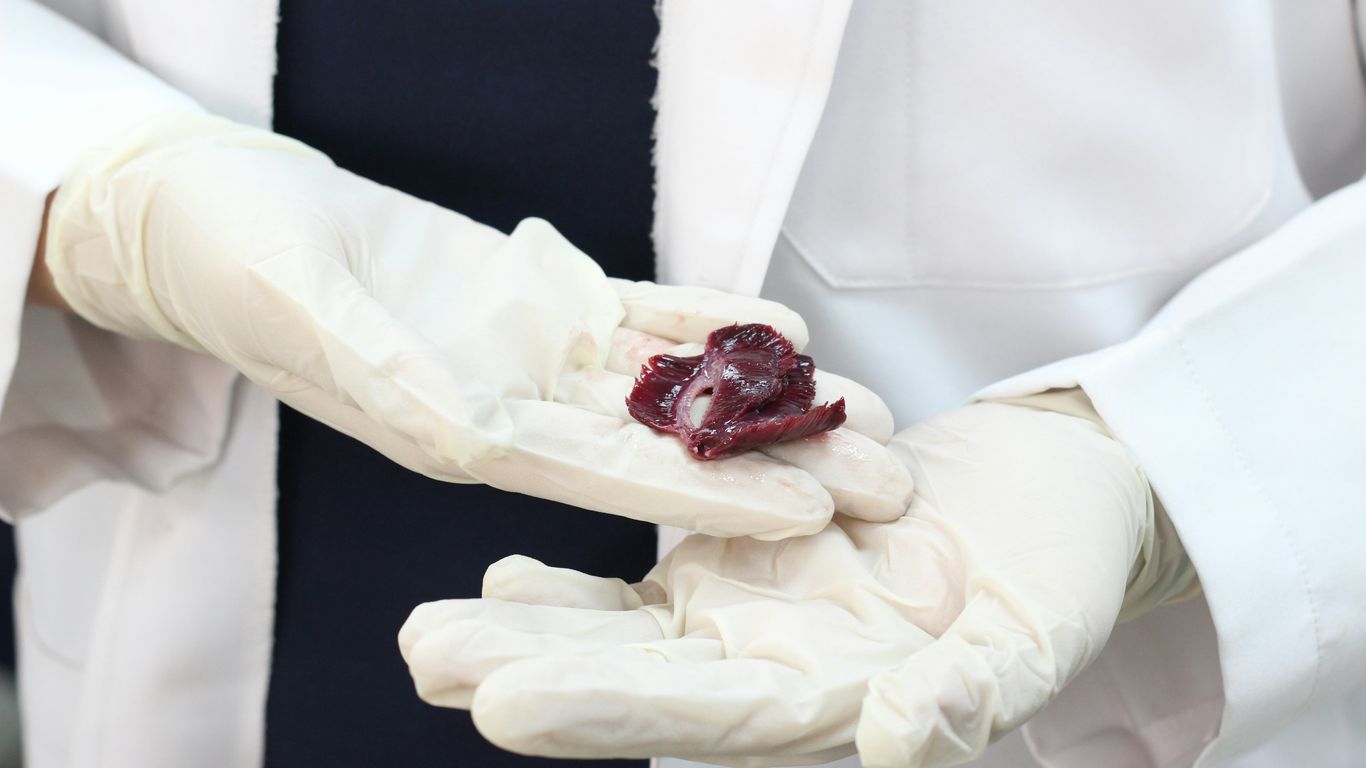
It’s pretty wild how quickly hospitals are starting to bring 3D printing right into their own buildings. Back in 2010, you’d be lucky to find three hospitals with dedicated 3D printing setups. Fast forward to today, and that number has jumped to over a hundred. This shift isn’t just about having a cool new gadget; it’s about making healthcare more responsive and personalized. Think about it – instead of waiting weeks for a custom implant or a specialized surgical tool, a hospital can potentially print it on-site. This really speeds things up, especially when you need something specific for a patient. The ability to create patient-specific medical devices is a game-changer [dcd3].
Increased Hospital Adoption and Point-of-Care Manufacturing
This move towards in-house 3D printing is all about getting closer to the patient. It means that instead of relying on outside manufacturers, hospitals can produce what they need right there, when they need it. This is called point-of-care manufacturing. It’s particularly useful for things like creating detailed anatomical models that surgeons can use to plan complex operations. Having these models readily available means doctors can get a much better feel for the patient’s anatomy before even stepping into the operating room. It’s like having a practice run before the main event, which can make a big difference in how smoothly a surgery goes. This technology is really changing how medical professionals approach patient care [5657].
Streamlining Innovation and Collaboration
When hospitals have their own 3D printing capabilities, it opens up a whole new world for innovation. Doctors and engineers can work together much more easily. A surgeon might have an idea for a new tool or a modification to an existing one, and with an in-house printer, they can get a prototype made in a day or two. This quick turnaround allows for rapid testing and refinement. It’s a much faster way to develop new solutions compared to traditional methods. This close collaboration between medical staff and the technical team is what drives real progress in medical device development.
Driving Down Costs and Meeting Demand
Let’s be honest, healthcare costs are a big concern for everyone. Having 3D printing facilities in-house can help bring those costs down. For certain items, especially custom ones made in small batches, 3D printing is often cheaper than traditional manufacturing. Plus, during times of high demand, like the early days of the pandemic when personal protective equipment was scarce, hospitals could use their printers to produce needed supplies quickly. This ability to adapt and produce on demand is incredibly valuable. It helps hospitals be more self-sufficient and better prepared to handle unexpected challenges, ultimately leading to more affordable medical solutions for patients.
The Road Ahead
So, where does all this leave us? It’s pretty clear that 3D printing isn’t just a passing trend in medicine; it’s really changing things. We’ve seen how it’s already helping create better implants, custom tools for surgeons, and even models to practice tricky operations. And the really exciting part? We’re just scratching the surface. Things like printing actual tissues and organs are on the horizon, which could totally change how we treat serious illnesses and injuries. Sure, there are still some hurdles to jump, like figuring out insurance and making sure everything is safe and approved. But the momentum is undeniable. This technology is making healthcare more personal, more efficient, and ultimately, better for all of us. It’s a wild ride, and it’s only going to get more interesting.