Thinking about how things are made? It’s changed a lot. For ages, we’ve been cutting stuff away from big blocks to get what we want. But now, there’s this other way: building things up, layer by layer. This is additive manufacturing, often called 3D printing. It’s moved from just making quick models to creating actual, usable parts. We’re going to break down this additive manufacturing 3D printing process, from the ground up, and see where it’s headed.
Key Takeaways
- Additive manufacturing builds objects layer by layer, a stark contrast to traditional methods that remove material.
- The process starts with a digital design, which is then translated into physical layers by the 3D printer.
- This technology allows for incredibly complex shapes and custom designs that are hard or impossible with older methods.
- While it offers benefits like reduced waste and faster prototyping, challenges remain in material properties, cost, and post-processing.
- Additive manufacturing is ideal for low-volume production, complex parts, and customization, finding its niche alongside traditional manufacturing.
Understanding Additive Manufacturing 3D Printing Process Basics
So, what exactly is this "additive manufacturing" everyone’s talking about? At its heart, it’s a way to build things layer by layer. Think of it like stacking thin slices of material on top of each other until you have your final object. This is fundamentally different from how we’ve traditionally made stuff, which usually involves cutting away material from a bigger block. This whole process starts with a digital design, like a blueprint on a computer. That design gets translated into instructions for the 3D printer, and then, poof, you go from digital to physical. It’s pretty neat when you think about it.
Defining Additive Manufacturing
Additive manufacturing, often called 3D printing, is a process where physical objects are created by adding material in successive layers. This is the opposite of subtractive manufacturing, where you start with a block of material and carve away the excess. It’s a method that has been around since the 1980s, initially for making quick models. Back then, it was mostly known as rapid prototyping because it let people create a model of a final product fast, without all the usual setup and costs. It’s a way to build things up, literally.
Evolution from Rapid Prototyping to Functional Parts
When 3D printing first showed up, it was mainly for making prototypes. These early models weren’t usually meant to be used in the real world; they were just to see what something might look like. This was super helpful for designers and engineers to check out their ideas quickly. Over time, the technology got better. We moved from just making models to making tools, which then led to making actual, functional parts. Companies like Boeing and GE are now using additive manufacturing for parts that are critical to their products. It’s come a long way from just making plastic models.
The Digital to Physical Workflow
The journey from an idea to a physical object using additive manufacturing is pretty straightforward, once you get the hang of it. Here’s a look at the steps:
- Design Creation: First, you need a digital model. This is usually done using Computer-Aided Design (CAD) software. You can also create a 3D model by scanning an existing object.
- Slicing: The 3D model is then processed by special software that "slices" it into hundreds or thousands of thin, horizontal layers. This creates the instructions, or toolpath, for the printer.
- Printing: The 3D printer reads these instructions and begins building the object layer by layer, using the chosen material. This can take anywhere from a few hours to several days, depending on the size and complexity of the part.
- Post-Processing: Once the printing is done, the object might need some finishing touches, like removing support structures or smoothing the surface. This is where you get your final, usable part. It’s a direct path from a digital file to a tangible item, which is a big change from older methods. You can find more information on the basic additive manufacturing process.
Core Principles of the Additive Manufacturing 3D Printing Process
So, how does this whole 3D printing thing actually work? At its heart, additive manufacturing is all about building things up, layer by tiny layer. It’s a pretty neat contrast to how we used to do things, like carving away at a block of material. This layer-by-layer approach is what truly defines additive manufacturing.
Think of it like building with LEGOs, but on a much, much smaller scale and with a lot more precision. Each new layer is added on top of the previous one, fusing together to create the final shape. This process is fundamental to 3D printing, no matter the specific technology you’re using.
There are a few main ways this happens:
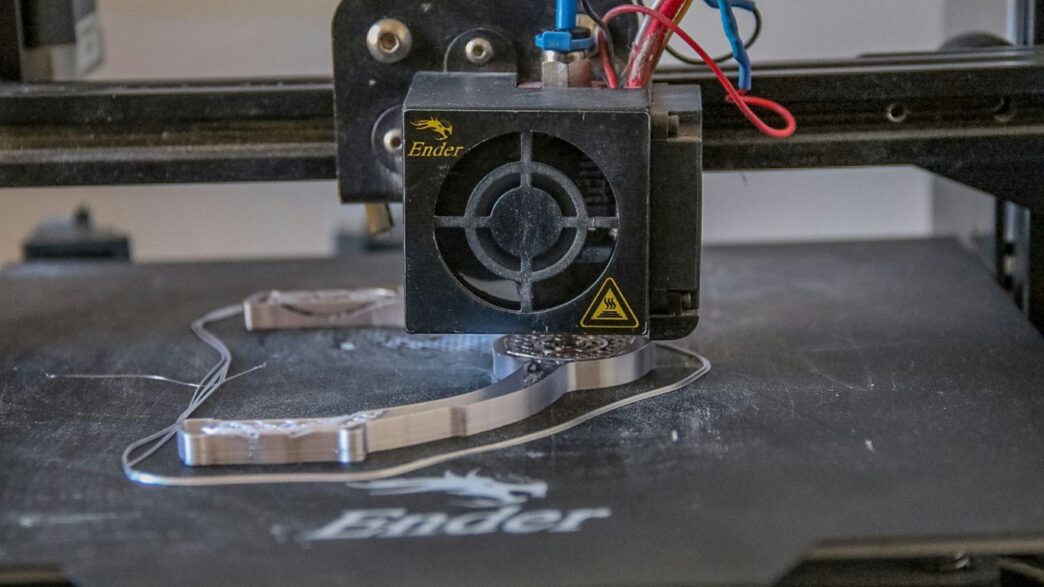
- Material Deposition: This is common with technologies like Fused Deposition Modeling (FDM), where a material, usually plastic, is heated and extruded through a nozzle, drawing out each layer. It’s like a very precise hot glue gun.
- Powder Bed Fusion: This is where things get interesting, especially with metals. Imagine a bed of fine powder. A laser or electron beam then selectively melts and fuses the powder particles together, creating a solid layer. Once that layer is done, a new thin layer of powder is spread over the top, and the process repeats. This is how many complex metal parts are made today.
- Vat Photopolymerization: Here, a liquid resin is used. A light source, like a UV laser or projector, cures (hardens) specific areas of the resin, solidifying the layer. The build platform then moves, and the next layer is cured on top.
Each of these methods has its own strengths and weaknesses, and the choice often depends on the material you’re using and the kind of part you need to create. It’s a fascinating process that allows for incredible design freedom, turning digital files into tangible objects one slice at a time. The ability to go directly from digital to physical is a huge shift in how we think about making things, and it’s all thanks to these core principles of additive manufacturing.
Materials and Applications in Additive Manufacturing
When we talk about 3D printing, it’s not just about plastic toys anymore. The materials used today are incredibly diverse, opening doors to all sorts of new possibilities. We’ve moved way beyond simple prototypes to creating actual, functional parts for serious industries.
Diverse Material Capabilities
Think about it: you can print with polymers, metals, ceramics, and even some pretty wild stuff like foams and gels. This variety means you can tailor the material to the specific job. For instance, if you need something lightweight but strong for an aerospace component, you’d pick a different material than if you were making a custom medical implant that needs to be biocompatible.
- Polymers: These are super common, ranging from flexible filaments to rigid engineering plastics. They’re great for everything from consumer goods to industrial tooling.
- Metals: Printing with metals like titanium, aluminum, and stainless steel allows for strong, durable parts used in aerospace, automotive, and medical devices. The process often involves melting metal powders with lasers or electron beams.
- Ceramics: These are used for high-temperature applications or where extreme hardness is needed, like in certain industrial nozzles or even dental crowns.
- Composites: Combining materials, like carbon fiber reinforced polymers, gives you properties that neither material has on its own, like increased stiffness and strength.
From Polymers to Biomaterials
Nylon, for example, is a really versatile polymer. You can find it in different grades like PA6, PA11, and PA12, and it pops up everywhere. It’s used in textiles, for packaging, and even in injection molding. The fact that it can be used in so many ways just shows how adaptable these materials are for additive manufacturing needs.
Then there are biomaterials. This is where things get really interesting, especially in the medical field. We’re talking about printing scaffolds for tissue engineering or custom implants that perfectly fit a patient’s anatomy. The ability to create these intricate, patient-specific designs is a game-changer for healthcare.
Emerging Applications in Various Industries
It’s not just aerospace and medicine, though. Additive manufacturing is popping up everywhere:
- Automotive: Creating custom car parts, lightweight components, and even tooling for production lines.
- Consumer Goods: Producing personalized products, intricate designs for jewelry, and even custom footwear.
- Construction: Experimenting with printing building components and even entire structures.
- Food: Believe it or not, there’s research into printing food items with specific textures and nutritional content.
The speed at which you can get a single part is much faster compared to traditional methods, which is a big deal for companies looking to innovate quickly. You can go from a digital design to a physical object in a relatively short amount of time, allowing for rapid iteration and testing of new ideas. This is especially true when you explore the different resins and materials available for various printing technologies.
Advantages of the Additive Manufacturing 3D Printing Process
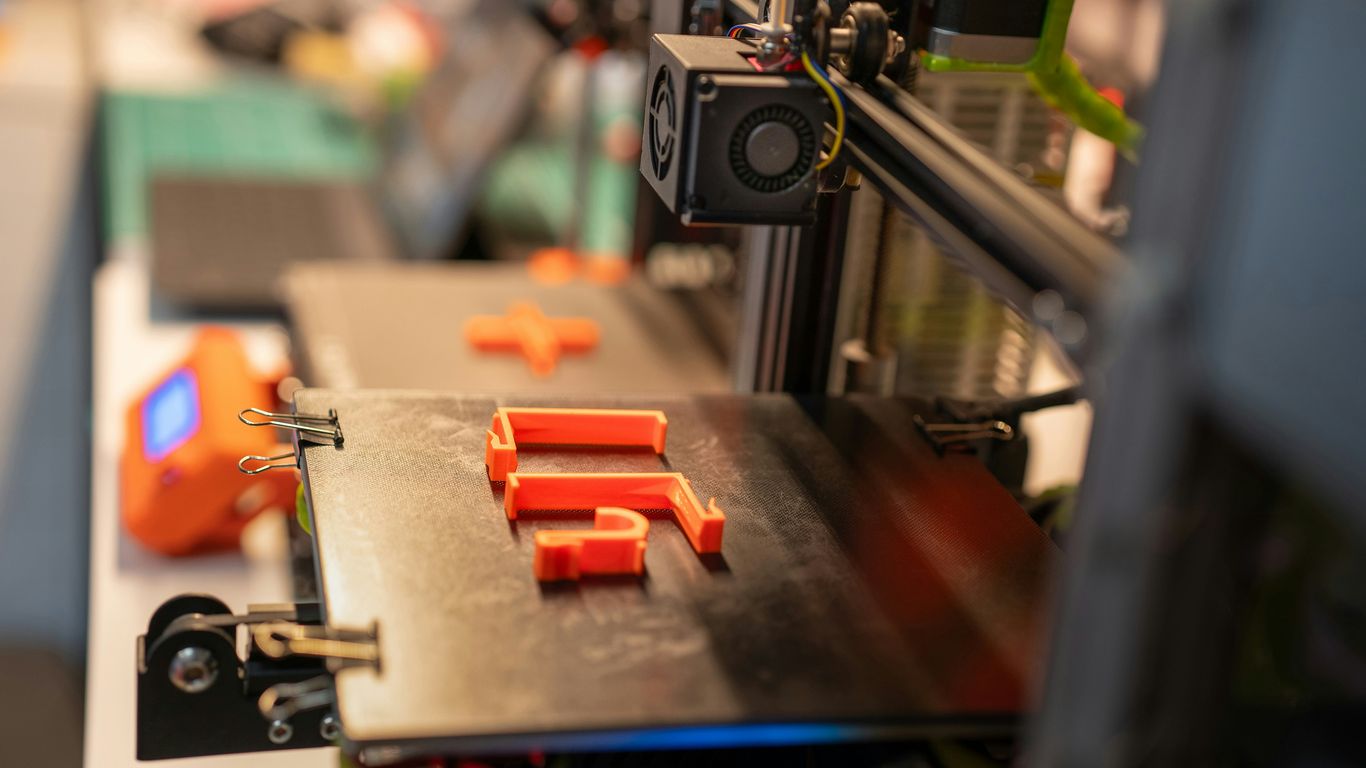
So, why are so many people getting excited about additive manufacturing, or 3D printing as it’s more commonly known? Well, it really comes down to a few key benefits that traditional manufacturing just can’t match. It’s a game-changer for creating complex shapes and highly customized items.
Enabling Complex Geometries
One of the biggest wins for additive manufacturing is its ability to produce incredibly intricate designs. With traditional methods, like machining, you’re limited by how easily you can cut or mold material. Think about trying to hollow out a complex internal structure or create sharp internal corners – it’s often impossible or prohibitively expensive. 3D printing, however, builds objects layer by layer, so it doesn’t really care how complicated the internal or external shape is. This means engineers can design parts that are lighter, stronger, and more efficient than ever before. For example, aerospace companies can create parts with internal lattice structures to reduce weight without sacrificing strength, which is a huge deal when every ounce counts. This freedom in design is a major reason why 3D printing offers significant benefits.
Optimizing for Small Lot Sizes and Customization
Remember the old days when setting up a production line for even a small batch of products could cost a fortune? Additive manufacturing flips that script. Because there’s no need for expensive molds or tooling, the cost to produce just one item is pretty much the same as producing a hundred. This makes it perfect for small production runs and, perhaps even more excitingly, for creating completely custom items. Think about things like hearing aids, which are already mostly made this way because each one needs to fit a specific ear perfectly. Or consider custom medical implants designed to fit a patient’s unique anatomy. This ability to easily produce rapid iteration and personalized products is a massive advantage.
Reducing Supply Chain Complexity
Another huge plus is how additive manufacturing can simplify the whole supply chain. Instead of ordering parts from multiple suppliers, waiting for them to be manufactured, and then assembling everything, you can often print the final part right where you need it. This drastically cuts down on lead times, shipping costs, and the risk of delays. It also means companies can keep fewer parts in stock, saving on warehousing. Imagine a scenario where a critical replacement part breaks down in a remote location; instead of waiting weeks for a shipment, it could potentially be printed on-site within hours or days. This shift towards on-demand production is transforming how businesses operate.
Challenges and Limitations in Additive Manufacturing
Even though additive manufacturing, or 3D printing, has come a long way, it’s not exactly a magic bullet for every production need. There are definitely some hurdles to jump over. For starters, the machines themselves can be pretty pricey. We’re talking hundreds of thousands of dollars for some industrial setups, which is a big chunk of change right off the bat. And if you’re looking to churn out a massive number of identical parts, traditional methods often still win out in terms of speed and cost-effectiveness. It just takes longer to build things layer by layer when you’re making thousands of them.
Addressing Material Properties and Defects
One of the biggest headaches is making sure the final part actually performs as intended. From a material science angle, this is probably the trickiest part. How do you minimize the little flaws that can pop up during printing? It’s not just about metals, either; polymers and other materials have their own quirks. When powders don’t fuse together properly, for instance, it can create weak spots that lead to failure down the line. The way a material is processed can also introduce internal stresses, making a part want to warp or bend on its own. Researchers are still figuring out the best ways to control these variables and get consistent, reliable material properties. It’s a bit like trying to bake a perfect cake every time – you need to get the ingredients and the oven temperature just right.
Cost and Scalability Considerations
Beyond the initial machine investment, the cost per part can also be a factor, especially for high-volume runs. While additive manufacturing shines for one-offs and small batches, scaling up can become inefficient. The time it takes to print each layer adds up, making mass production slower and more expensive compared to methods like injection molding. This is why you see it used a lot for custom items, like hearing aids or specialized medical implants, where the unique design justifies the cost. For everyday consumer goods produced in the millions, traditional manufacturing often remains the go-to. It’s all about finding the right sweet spot for additive manufacturing.
Post-Processing Requirements
Once a part is printed, it’s often not quite ready for prime time. Many additively manufactured objects need some extra work. This can include cleaning off excess material, smoothing rough surfaces, or even heat treatments to improve material properties. Think of it like sanding and painting a wooden model you carved – the basic shape is there, but it needs finishing touches. These extra steps add time and labor to the overall process, which can impact both cost and production speed. The complexity of these post-processing steps can vary greatly depending on the material and the specific printing technology used, and it’s an area where sustainability challenges are also being explored.
Additive Manufacturing vs. Conventional Manufacturing
So, we’ve talked about how 3D printing builds things up layer by layer. But how does that stack up against the ways we’ve been making stuff for ages? It’s a good question, and the answer isn’t always straightforward. Think of it like this: you’ve got additive manufacturing, which is like building with LEGOs, and then you have traditional methods, which are more like carving a statue out of a block of marble.
Comparing Additive, Subtractive, and Formative Processes
Let’s break down the main types of manufacturing. Additive manufacturing, as we know, adds material. Subtractive manufacturing, on the other hand, starts with a block of material and carves away what’s not needed. Think of CNC machining – it’s like a super precise sculptor. Formative manufacturing is all about shaping material, like injection molding or stamping, where you force material into a mold. Each has its own strengths.
Here’s a quick rundown:
- Additive: Builds layer by layer. Great for complex shapes and custom parts. Think 3D printing.
- Subtractive: Removes material. Good for precise parts and hard materials. Think CNC milling.
- Formative: Shapes material. Best for high-volume production of identical items. Think injection molding.
The biggest difference often comes down to cost and complexity. For simple parts made in huge quantities, traditional methods usually win. But when you need intricate designs or just a few custom pieces, additive manufacturing really shines. It’s amazing how you can go directly from a digital file to a physical object, skipping a lot of the old setup steps [97eb].
Identifying the Sweet Spot for Additive Manufacturing
So, where does 3D printing really fit in? It’s not about replacing everything. Instead, it’s about finding the right job for the right tool. Additive manufacturing is fantastic for:
- Prototyping: Quickly making models to test designs.
- Customization: Creating one-off items, like medical implants or personalized tools.
- Complex Geometries: Producing parts with internal structures or organic shapes that are impossible with other methods.
- Low-Volume Production: Making small batches of specialized components without huge upfront costs.
Traditional manufacturing is still the king for mass production. If you need a million identical widgets, you’re probably going to use injection molding or stamping. Those processes are incredibly efficient and cost-effective at scale [bab2].
The Case for Hybrid Manufacturing Models
What’s really interesting is how these methods can work together. This is where hybrid manufacturing comes in. Imagine 3D printing a complex internal structure and then using subtractive methods to machine critical surfaces to very tight tolerances. Or, you could 3D print a basic shape and then use formative processes to finish it. This combination allows us to get the best of both worlds – the design freedom of additive manufacturing and the precision or surface finish of traditional methods. It’s a way to push the boundaries of what’s possible in product design and manufacturing.
Future Frontiers of Additive Manufacturing 3D Printing
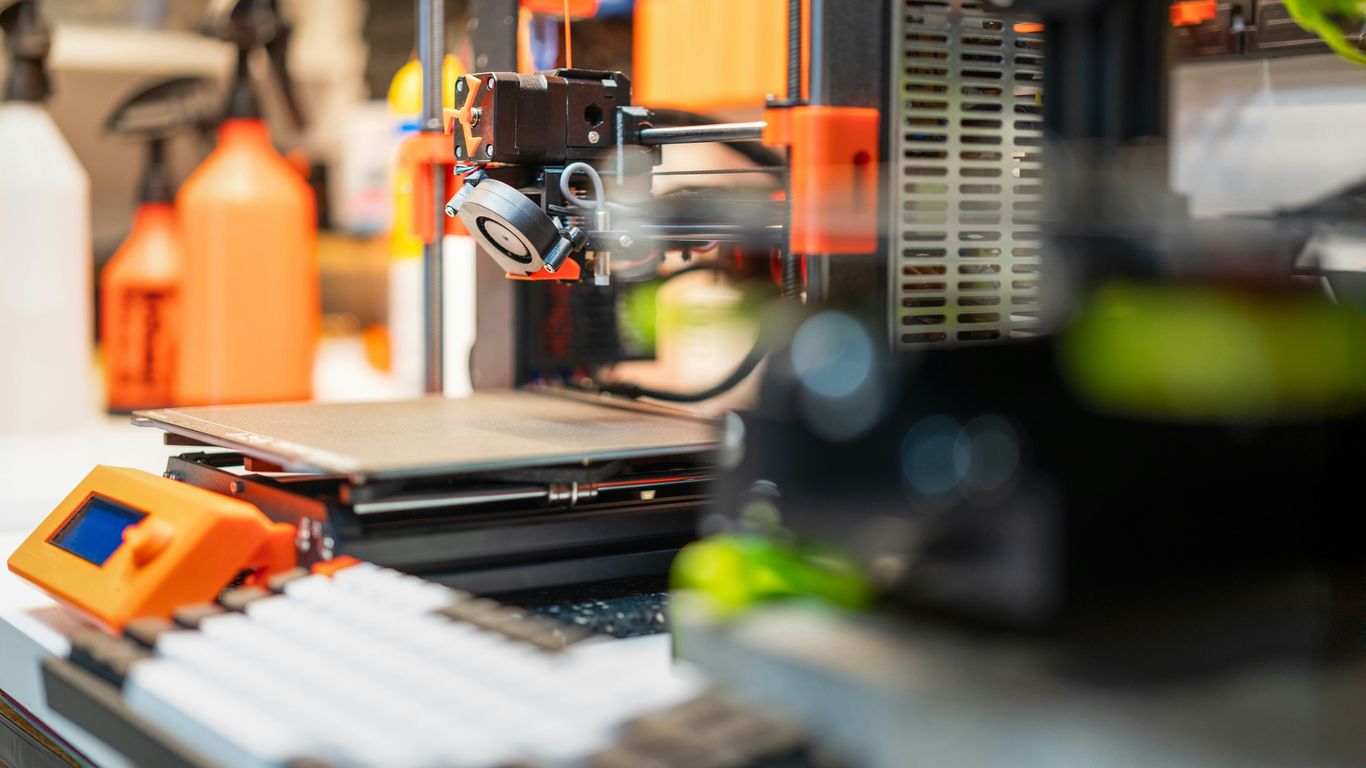
So, where is all this 3D printing stuff headed? It’s not just about making plastic trinkets anymore, that’s for sure. We’re talking about some pretty wild stuff that sounds like science fiction, but it’s actually happening.
Exploring 4D Printing Concepts
First up, there’s this thing called 4D printing. Think of it like this: regular 3D printing makes an object that stays put. 4D printing, on the other hand, creates objects that can actually change or transform on their own over time. No remote control needed! This is super interesting for places where you can’t easily get to things, like outer space. Imagine materials that can reconfigure themselves when they get there. It’s also a big deal for biomaterials, which could keep evolving after they’re implanted. The idea is to create objects that are not static but dynamic, responding to their environment.
Innovations in Materials and Processes
Beyond 4D printing, the materials and the ways we print are getting way more advanced. We’re seeing a lot of work on making printed parts stronger, more flexible, and able to handle extreme temperatures. This means we can print things that are not just prototypes but actual, functional parts for planes, cars, and even medical devices. The speed of printing is also getting faster, which is a big deal for making things in larger quantities. Experts are predicting big leaps in 3D printing tech by 2026, with more companies jumping on board because it’s getting cheaper and better faster production.
The Growing Role for Hobbyists and Entrepreneurs
It’s not just big companies getting in on this. The cost of 3D printers has dropped a lot, making them accessible for people at home. Hobbyists are now printing all sorts of cool things, from custom parts for their projects to unique gifts. Entrepreneurs can also use these machines to quickly test out new ideas. They can go from a digital design to a physical object in a short amount of time, which is a huge change from how things used to be done. This ability to quickly turn a 3D model into reality is changing how new products are developed.
Here’s a quick look at what’s happening:
- New Materials: Expect to see more advanced composites, ceramics, and even food-grade materials being printed.
- Faster Speeds: Printing times are decreasing, making mass customization more feasible.
- Smart Objects: Integration of electronics and sensors directly into printed parts is on the horizon.
- Sustainability: Efforts are underway to use recycled and biodegradable materials in the printing process.
Wrapping It Up
So, we’ve gone from the basic idea of building things layer by layer to seeing how this tech is already changing big industries and even how hobbyists are getting in on the action. It’s pretty wild to think about how fast things have changed since the 80s, going from just making models to printing actual, functional parts for planes and cars. While it’s not going to replace traditional manufacturing overnight – especially for making tons of the same thing cheaply – additive manufacturing has found its niche. It’s perfect for those complex shapes, custom jobs, and when you just need a few things fast. Plus, with new stuff like 4D printing on the horizon, it feels like we’re just scratching the surface of what’s possible. It’s definitely a technology worth keeping an eye on.