The world of social media is always changing, and if you’re a social media specialist, you know this better than anyone. What worked last year might not work today, and what’s popular now could be old news tomorrow. In 2026, the job of a social media specialist is more important, and also more complex, than ever. It’s not just about posting updates anymore; it’s about building brands, connecting with people, and showing how social media actually helps the business. We’re going to look at what it takes to be a successful social media specialist in the coming years.
Key Takeaways
- The role of a social media specialist has moved from just scheduling posts to being a key player in building a brand’s entire image and connecting with its audience.
- Using data and analytics is now a must for social media specialists to make smart decisions and show how their work helps the company make money.
- Social media specialists need to be quick to adapt to new features and changes on platforms, and also learn how to use new tech like AI and AR.
- Selling products directly on social media is becoming a big deal, and specialists need to make it easy and safe for people to buy things through these apps.
- To succeed, a social media specialist needs to be creative, good with numbers, and always ready to learn new things as the digital world keeps changing.
The Evolving Mandate of the Social Media Specialist
It feels like just yesterday we were talking about social media specialists mainly scheduling posts and maybe keeping an eye on comments. But wow, things have really changed, haven’t they? By 2026, the job is way more than just managing a content calendar. Social media specialists are now central to how a brand builds its identity and connects with people. It’s less about just putting stuff out there and more about crafting a whole narrative that people can actually connect with.
From Content Scheduling to Strategic Brand Building
Remember when the main job was just making sure posts went out on time? That’s pretty much a distant memory. Today’s specialists are thinking much bigger picture. They’re figuring out how to make the brand’s voice consistent across every single platform, making sure it feels authentic. This means really understanding the brand’s core values and translating that into content that doesn’t just get seen, but actually gets felt. It’s about building a reputation, not just getting likes. This shift means specialists need to be more strategic, thinking about how each piece of content fits into the larger marketing plan and contributes to the brand’s overall goals. It’s a big change from just being a content publisher to being a brand architect.
Community Management and Engagement
This part has gotten so much more important. It’s not just about responding to comments anymore; it’s about actively building and nurturing a community. Think of it like being the host of a really popular party. You’re not just greeting people; you’re making sure everyone feels welcome, sparking conversations, and handling any awkward moments that pop up. This involves listening closely to what people are saying, jumping into relevant discussions, and making sure the brand is seen as a helpful and approachable presence. It’s about creating a space where people feel heard and valued, which builds a much stronger connection than any ad campaign could.
Integration with Public Relations and Influencer Marketing
Social media specialists aren’t working in a bubble anymore. Their role now really blends with other areas like public relations and influencer marketing. When a brand has a big announcement or, let’s be honest, a crisis, the social media team is right there, making sure the message is consistent with what the PR team is saying. They’re also working closely with influencers, not just sending them free stuff, but really partnering to create content that feels genuine to both the influencer’s audience and the brand. This collaboration helps brands reach more people in a way that feels more natural and less like a direct advertisement. It’s all about creating a unified front and making sure the brand’s story is told consistently everywhere. For more on how these areas connect, check out social media trends.
Data-Driven Strategies for Social Media Success
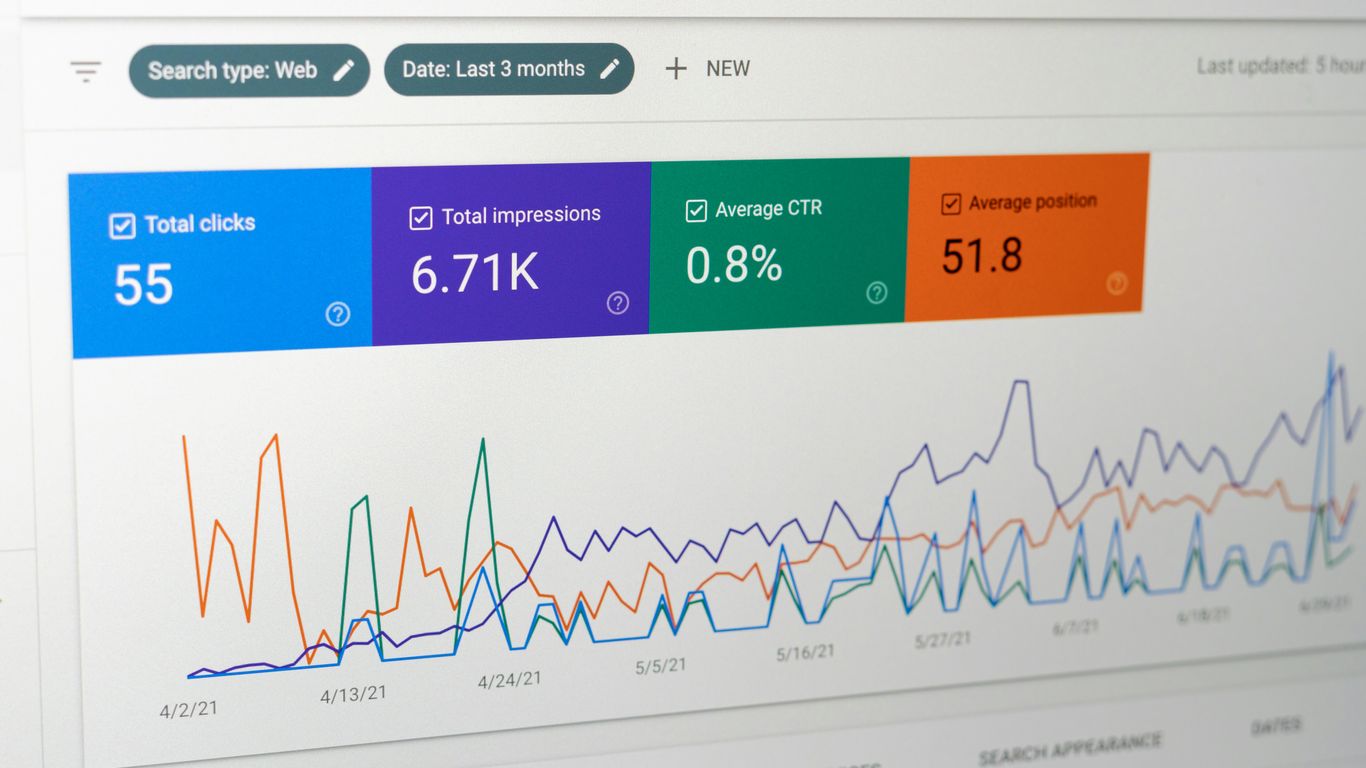
Gone are the days when just posting pretty pictures and getting a bunch of likes was enough. In 2026, if your social media strategy isn’t backed by solid data, you’re basically flying blind. We’ve got to move past just counting followers and start looking at what actually moves the needle for the business. This means understanding how our social efforts connect to real-world outcomes.
Leveraging Analytics for Informed Decision-Making
So, how do we actually do this? It starts with really digging into the numbers. We’re not just talking about basic engagement anymore. Think about tracking things like click-through rates on links, how many people actually sign up for a newsletter after seeing a post, or even how many sales can be traced back to a specific campaign. Tools that help with social media analytics are key here. They can show us what content types are performing best, which platforms are bringing in the most valuable traffic, and even when our audience is most active. It’s about using this information to make smarter choices about where to put our time and resources. We can also use social listening tools to see what people are saying about our brand and our competitors. This helps us spot trends early and react quickly, rather than just guessing what might work.
Measuring Key Performance Indicators Beyond Likes
Let’s be real, likes are nice, but they don’t pay the bills. We need to focus on metrics that actually matter to the business. This includes things like:
- Conversion Rates: How many people take a desired action (like making a purchase or filling out a form) after interacting with our social content?
- Share of Voice: How visible is our brand compared to competitors in online conversations?
- Sentiment Analysis: What’s the overall feeling or opinion people have about our brand online?
- Customer Acquisition Cost (CAC) from Social: How much does it cost to get a new customer through social media channels?
These are the kinds of numbers that show real impact. We need to be able to report on these to show that social media isn’t just a cost center, but a revenue driver. There are a lot of marketing analytics statistics out there that show how important this shift is.
Demonstrating ROI and Business Impact
Ultimately, our job is to show how social media contributes to the company’s bottom line. This means connecting our social activities to tangible business results. We need to be able to explain, with data, how a particular campaign led to increased sales, improved brand perception, or a stronger customer base. This often involves looking at the entire customer journey, not just the initial touchpoint on social media. By tracking performance and making adjustments on the fly, we can prove the value of our work and secure the resources needed to keep growing. It’s about being able to say, "This specific social effort resulted in X business outcome," backed by solid numbers.
Adapting to a Dynamic Platform Ecosystem
Okay, so the social media world? It’s basically a treadmill that’s always speeding up. You think you’ve got a handle on things, and then BAM! A new feature drops, an algorithm shifts, or a whole new platform pops up demanding your attention. It’s a lot to keep track of, honestly. Staying relevant means being ready to change your game plan on the fly.
Navigating Algorithm Shifts and New Features
Remember when just posting consistently was enough? Those days are long gone. Platforms like Instagram, TikTok, and even Facebook are constantly tweaking how they show content to people. What worked last month might not even get seen today. It’s like trying to hit a moving target. You have to pay attention to what the platforms are pushing and adjust your content format and timing. For instance, a quick video might get more eyes than a long text post now, or vice versa depending on the platform. It’s a constant learning curve, and you can’t afford to fall behind. Keeping up with these changes is key to making sure your message actually reaches the people you want it to. It’s why staying informed about social media trends for 2026 is so important.
Mastering Channel-Specific Content Strategies
Trying to use the same content across every single platform is a recipe for disaster. Each social media channel has its own vibe, its own audience, and its own best practices. What flies on TikTok might fall flat on LinkedIn. You need to think about what kind of content works best for each place. Are you making short, punchy videos for Reels and Shorts? Are you sharing more in-depth articles or professional insights on LinkedIn? Or perhaps engaging with niche communities on Reddit? It’s about tailoring your message and format to fit the specific environment. This means understanding the user expectations for each platform, whether it’s for entertainment, news, or connecting with brands. A good strategy involves looking at what’s performing well and adapting your approach.
The Rise of AI and Immersive Technologies
This is where things get really interesting, and maybe a little sci-fi. Artificial intelligence is no longer just a buzzword; it’s becoming a real tool for social media specialists. Think AI helping you brainstorm content ideas, write captions, or even generate basic visuals. It can speed up your workflow quite a bit. Then there’s the whole immersive tech thing – things like augmented reality (AR) filters or even early stages of virtual reality (VR) experiences. While it might seem niche now, these technologies are starting to create new ways for brands to interact with their audiences. Brands are looking at how to use AI and automation more, with many planning to spend more on it. It’s about exploring these new tools and technologies to create more engaging and unique experiences for your followers. It’s a big shift, and getting comfortable with these new tools will be a big part of the job going forward.
The Social Commerce Revolution
Okay, so let’s talk about shopping. Remember when social media was just for, well, socializing? Those days are pretty much gone. By 2026, social platforms are becoming the main place people actually buy stuff. Think of it like your local high street, a big mall, and that town square all rolled into one, but online. It’s a huge change in how we all shop and how brands connect with us.
Crafting Seamless Buyer Journeys
This isn’t just about slapping a ‘buy now’ button on a post. It’s about making the whole experience smooth, from when someone first sees your product to when they actually click ‘purchase’. We’re talking about making it super easy for people to go from scrolling their feed to owning something new, without feeling like they’re jumping through hoops. It means thinking about every single step. What information do they need? How can we answer their questions right there? The goal is to remove any friction that might make someone hesitate. It’s about building trust and making it feel natural, not forced.
Leveraging Shoppable Content and In-App Purchases
Platforms are getting really good at letting you buy things without ever leaving the app. This means things like shoppable videos, where you can tap on a product shown in a video and buy it instantly, or live shopping events where you can interact with hosts and buy products in real-time. It’s a big shift from just showing off products to actually selling them directly. For brands, this means creating content that’s not just engaging but also functional for shopping. It’s about making sure the product is clear, the price is visible, and the checkout process is quick. We’re seeing more and more of this, and it’s changing how people discover and buy things online. You can prepare for social media in 2026 by exploring key trends like AI, creators, commerce, and community. Learn how to adapt your strategy now.
Building Trust in Social Shopping Environments
With all this shopping happening on social media, trust is a really big deal. People want to know they’re buying from legitimate brands and that their information is safe. This means being super transparent about products, pricing, and shipping. It also means having good customer service available right where people are asking questions – on social media. Brands that are honest, responsive, and show they care about their customers will do much better. It’s not just about making a sale; it’s about building a relationship that makes people feel good about buying from you again and again. Social commerce is set to become the primary retail destination by 2026, merging the functions of a high street, shopping mall, and town square into a single, integrated experience. This evolution signifies a fundamental shift.
Essential Skills for the Modern Social Media Specialist
So, what does it actually take to be a social media whiz in 2026? It’s not just about knowing how to post a picture or schedule a tweet anymore. The game has changed, and you need a solid mix of abilities to keep up. Being adaptable is probably the most important thing; platforms change, trends shift, and you have to roll with it.
Creativity and Strategic Content Development
This is where you get to be the storyteller. It’s about more than just making pretty pictures or catchy videos. You need to understand what makes people stop scrolling and pay attention. Think about the audience you’re trying to reach – what are they interested in? What problems can your brand solve for them? Crafting content that feels authentic and speaks directly to them is key. This involves:
- Understanding platform nuances: What works on TikTok might fall flat on LinkedIn. You need to tailor your message and format for each space.
- Developing a content calendar: This isn’t just a list of posts; it’s a strategic plan that aligns with broader marketing goals and seasonal events.
- Experimenting with formats: Don’t get stuck in a rut. Try out new video styles, interactive polls, or even user-generated content campaigns.
Analytical Prowess and Data Interpretation
Numbers don’t lie, and in 2026, social media specialists need to be comfortable with them. It’s not enough to just look at likes and shares. You need to dig deeper to understand what those numbers actually mean for the business. This means:
- Tracking key metrics: Go beyond vanity metrics. Focus on things like engagement rate, click-through rates, conversion rates, and audience sentiment.
- Using analytics tools: Get familiar with the built-in analytics on platforms like Meta Business Suite and tools like Sprout Social. These give you the raw data you need.
- Translating data into action: The most important part is figuring out what the data tells you and then using that information to make your strategy better. For example, if a certain type of video consistently gets more views, you should make more of those. Understanding audience behavior is a big part of this [b8ef].
Adaptability and Continuous Learning
Honestly, if you’re not willing to learn, you’re going to get left behind. Social media is a moving target. New platforms pop up, existing ones change their algorithms overnight, and user behavior evolves. You need to be curious and proactive.
- Staying updated: Read industry blogs, follow thought leaders, and pay attention to platform announcements. You can’t afford to be surprised by major changes.
- Embracing new tools: Whether it’s a new AI writing assistant or a different scheduling platform, be open to trying new things that can make your job easier or more effective.
- Learning from mistakes: Not every campaign will be a home run. Analyze what didn’t work and use those lessons to improve your next effort. Strong communication skills are also a big help in this dynamic role [95e7].
Navigating Challenges and Opportunities
Look, being a social media specialist in 2026 isn’t all sunshine and viral memes. There are definitely some tricky bits to deal with, and you’ve got to be ready for them. One of the biggest headaches is keeping up with all the privacy rules and regulations. It feels like every other week there’s a new law or guideline about how we can collect and use data. Staying compliant is non-negotiable, and it means constantly updating your practices. You can’t just wing it anymore; you need to know what’s what.
Then there’s the whole misinformation mess. It’s everywhere, and it’s a real problem for brands trying to build trust. As a specialist, you’re on the front lines, often having to correct false narratives or at least not contribute to them. It’s a fine line to walk, especially when you’re trying to be authentic and engaging. Ethical marketing isn’t just a buzzword; it’s how you keep your audience’s respect. You have to be super careful about what you post and how you frame it.
Here are a few things to keep in mind:
- Privacy Compliance: Understand data protection laws like GDPR and CCPA. Always get consent and be transparent about data usage.
- Misinformation Watch: Develop a process for identifying and addressing false claims related to your brand or industry. Don’t amplify rumors.
- Ethical Content Creation: Ensure your marketing is honest, avoids deceptive practices, and respects your audience’s intelligence.
On the flip side, there are some pretty cool opportunities popping up. The creator economy is still booming, and figuring out how to work with creators or even become one yourself can open up new avenues. Plus, new platforms and features are always emerging. Keeping an eye on emerging social media trends can give you a heads-up on where things are going. It’s about being adaptable and willing to experiment. For instance, some brands are finding success by focusing on niche communities or exploring new formats like short-form video on platforms you might not expect. It’s a dynamic landscape, for sure, but that’s also what makes it exciting.
Wrapping It Up
So, as we look ahead to 2026, it’s pretty clear that the social media specialist role isn’t just about posting pretty pictures anymore. It’s a lot more involved. We’re talking about being super strategic, really understanding the numbers, and working with all sorts of other teams to make sure the brand’s message is consistent everywhere. The platforms keep changing, and what worked last year might not work next week. That means staying on your toes and being ready to try new things is key. If you’re in this field, or thinking about jumping in, focusing on these skills – creativity, smart analysis, and just being adaptable – will really set you up for success. It’s a busy job, for sure, but it’s also where a lot of the action is happening for brands right now.
Frequently Asked Questions
What’s new for social media pros in 2026?
Back in the day, social media folks just scheduled posts and counted likes. Now, they’re like brand builders! They create cool stories for brands, talk to people online, and work with influencers. It’s all about making the brand look good and connecting with customers.
How do social media experts use numbers to make their plans better?
These pros look at how many people see posts, how many click on things, and if those clicks lead to sales. They use this info, like clues from a detective, to figure out what’s working and what’s not, making their campaigns smarter.
Why do social media platforms keep changing so much?
Platforms like TikTok and Instagram are always adding new features and changing how their ‘magic’ (algorithms) works. Social media specialists have to be like chameleons, changing their strategies quickly to keep up and make sure brands are seen.
What is ‘social commerce’ and why is it important?
Think of it as shopping right inside social media apps! People can buy things without leaving the platform. Social media specialists help make this super easy and trustworthy, so customers can buy stuff they see and like.
What are the most important skills for a social media specialist today?
You need to be creative to make awesome content, be good with numbers to understand what’s working, and be ready to learn new things all the time. Being able to adapt when things change is key!
What are the biggest challenges social media specialists face?
They have to deal with tricky stuff like keeping customer information private, making sure ads are honest, and stopping fake news. They also need to figure out how to use new apps and work with online creators.