You know, it’s pretty wild how things change. Just a few years ago, the idea of printing body parts or custom surgical tools seemed like science fiction. But here we are. Healthcare 3D printing, or additive manufacturing as some call it, is actually happening and making a real difference in how doctors treat people. It’s not just about making things faster; it’s about making things better, more personal, and sometimes, even possible when they weren’t before. Let’s take a look at how this technology is shaking things up.
Key Takeaways
- Healthcare 3D printing allows for custom medical solutions, like prosthetics and implants, made specifically for each patient’s body.
- Doctors can use 3D printed models of organs and bones to plan surgeries more carefully, which can lead to better results.
- The technology is moving towards printing actual tissues and organs, and even creating personalized medications.
- Hospitals are setting up their own 3D printing facilities, but they need to follow strict rules to keep everything safe and legal.
- Using healthcare 3D printing can make medical items faster, cheaper, and help solve problems with getting supplies when they’re needed.
Revolutionizing Patient Care Through Healthcare 3D Printing
It’s pretty wild how fast things are changing in hospitals these days, and a big part of that is 3D printing. This isn’t just about making cool trinkets anymore; it’s seriously changing how doctors and nurses take care of people. Think about it – instead of a one-size-fits-all approach, we’re moving towards solutions made just for you. This shift towards personalized medicine is one of the biggest game-changers.
Personalized Medical Solutions
Remember when everyone got the same size brace or implant? That’s changing. Doctors can now take scans of a patient – like an MRI or CT scan – and use that information to print a model that’s a perfect match for that person’s body. This means things fit better, work better, and are generally more comfortable. It’s like getting a custom-tailored suit, but for your health.
Customized Prosthetics and Implants
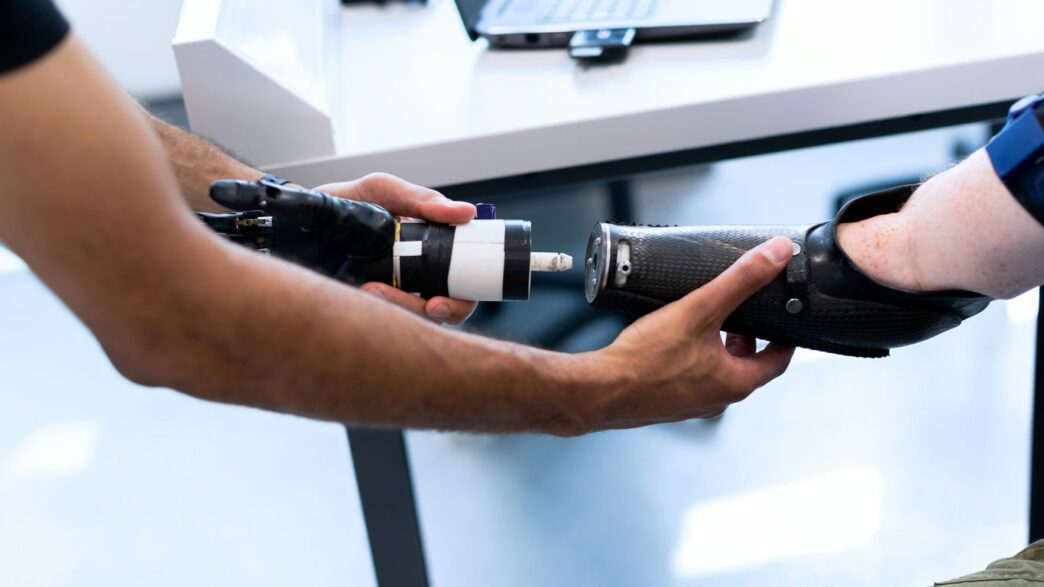
This is a huge area where 3D printing is making a real difference. For people who need prosthetic limbs, getting something that fits just right can be a challenge. 3D printing allows for incredibly detailed customization, creating prosthetics that are not only functional but also look and feel more natural. The same goes for implants, like hip replacements or cranial plates. Instead of standard options, surgeons can use 3D-printed implants designed specifically for the patient’s anatomy. This leads to better integration with the body and can speed up recovery.
Dental Applications and Medical Devices
Dentistry has really jumped on board with this technology. Imagine going to the dentist and getting a crown or a clear aligner printed right there in the office, often in a single visit. This speeds things up a lot and means fewer trips. Beyond teeth, 3D printing is also being used to create all sorts of other medical tools and devices. From surgical guides that help surgeons make precise cuts to specialized equipment for rehabilitation, the possibilities are growing every day.
Enhancing Surgical Precision with 3D Models
Surgical Planning with Anatomical Models
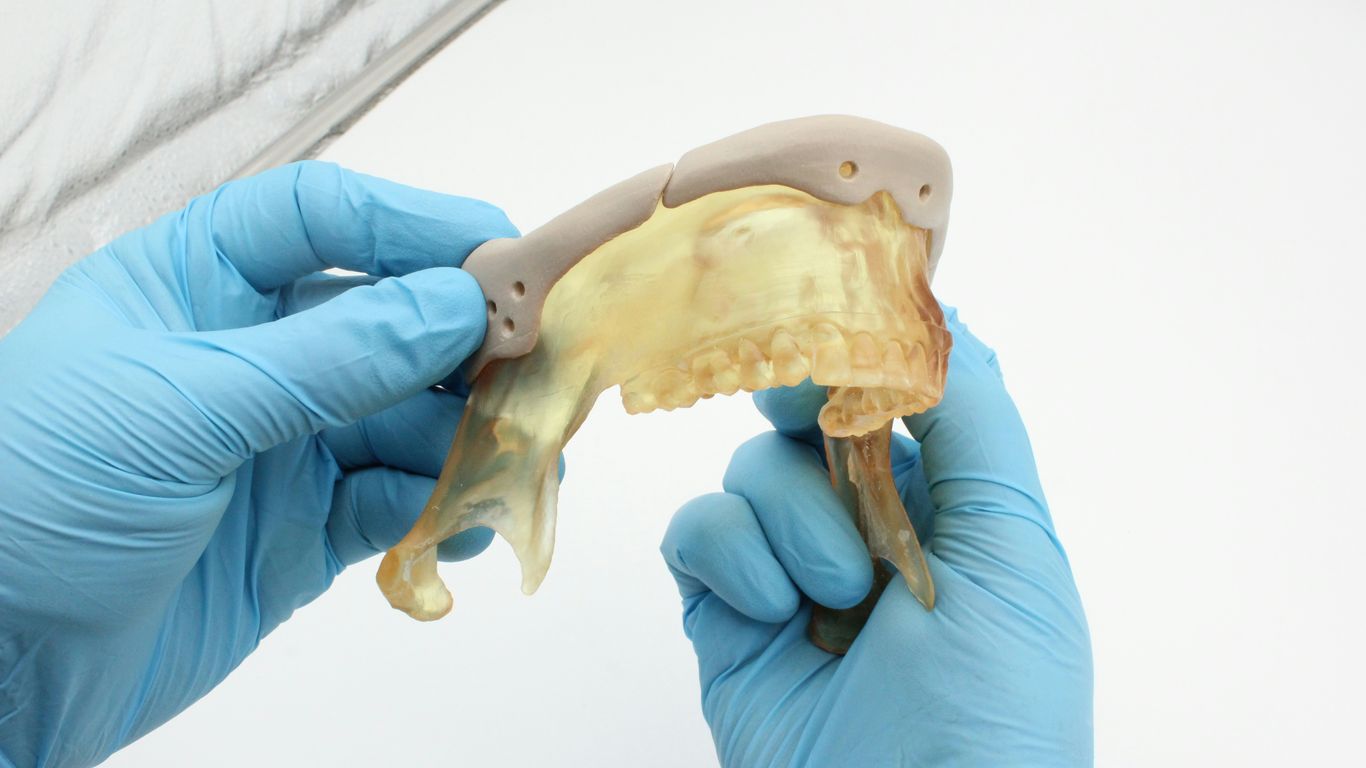
Before 3D printing, surgeons often relied on flat scans and their own experience to plan tricky operations. Now, we can print actual, patient-specific models of organs, bones, or even entire body parts. Think of it like having a detailed, hands-on map before you start a big project. These models, made from CT or MRI scans, give doctors a really clear picture of what they’re up against. This ability to physically hold and examine a replica of a patient’s anatomy before surgery is a game-changer. It means less guesswork and more confidence when walking into the operating room.
Practicing Complex Procedures
These 3D printed models aren’t just for looking at; they’re for practicing on. Surgeons can use these replicas to walk through a procedure step-by-step, figuring out the best angles, the most efficient path, and anticipating any potential snags. It’s like a dress rehearsal for surgery. This practice can significantly cut down on the time spent in the actual operating room, which is better for the patient and can even save money. Studies have shown that using these models can reduce surgery times by an hour or more in some cases.
Improving Surgical Strategies
Beyond just planning and practice, 3D models help refine the overall approach to surgery. By simulating different scenarios on the printed models, surgical teams can identify the most effective strategies. This might involve deciding on the best type of implant to use, the optimal placement for screws or pins, or even how to best navigate around delicate nerves and blood vessels. The feedback loop from using these models can lead to better surgical designs and techniques that are then applied to future cases, constantly improving patient outcomes.
The Expanding Landscape of Healthcare 3D Printing
Bioprinting Tissues and Organs
This is where things get really sci-fi, but it’s happening now. We’re talking about 3D printing actual living tissues and, eventually, whole organs. Imagine needing a new kidney and instead of waiting for a donor, doctors can print one for you using your own cells. That’s the goal of bioprinting. It could mean a future with way shorter transplant lists and a lot less worry about your body rejecting a new organ. Researchers are already making strides, printing things like skin grafts and even working on more complex structures. It’s still early days, but the potential is huge for treating burns, organ failure, and all sorts of conditions.
Custom Pharmaceuticals
Think about your medication. Right now, it’s usually a one-size-fits-all approach, right? Well, 3D printing is changing that. It allows for the creation of pills with incredibly precise dosages, tailored exactly to what a specific patient needs. This means fewer side effects and treatments that work better. It’s also possible to print pills that release medication at different rates, giving you the right dose at the right time without having to remember to take multiple pills. This level of customization could really change how we manage chronic illnesses and complex treatment plans.
Research and Development Opportunities
Beyond direct patient care, 3D printing is a game-changer for medical research. Scientists can print custom tools and models for experiments that would be impossible or too expensive to get otherwise. They can create realistic anatomical models to test new drugs or surgical techniques without risking patient safety. This speeds up the whole process of discovery and innovation. Plus, with the cost of printing coming down, more research labs, even smaller ones, can access this technology. It’s opening up new avenues for understanding diseases and finding new cures.
Implementation and Management of 3D Printing in Hospitals
So, you’ve got this amazing 3D printing tech ready to go in your hospital. That’s awesome! But, like anything new, getting it set up and running smoothly takes some real thought. It’s not just plug-and-play, you know?
Regulatory Compliance and Safety
First off, you absolutely have to make sure everything you print is safe and meets all the rules. The FDA has been approving more and more 3D-printed medical stuff, which is great, but it means we have to be extra careful. Think about it: you’re printing things that go inside or on a patient. This isn’t like printing a coffee mug; patient safety is the top priority. Hospitals need to follow strict guidelines, especially when printing things like implants or surgical guides. This means keeping good records, using approved materials, and making sure the printing process itself is clean and controlled. Regular checks and audits are a must to stay on the right side of regulations.
In-House Manufacturing Facilities
More and more hospitals are setting up their own 3D printing labs, sometimes called "point-of-care" manufacturing. It’s a big shift from just a few years ago. Having a facility right there means you can make custom parts, models, or tools much faster. This is super helpful when a surgeon needs a specific model for a tricky operation or when a patient needs a custom prosthetic quickly.
Here’s a look at how many hospitals had these facilities:
| Year | Number of Hospitals with In-House 3D Facilities |
|---|---|
| 2010 | 3 |
| 2019 | 113 |
| 2026 | (Estimated to be significantly higher) |
Setting up your own lab involves more than just buying a printer. You need the right space, trained staff, software, and a plan for how to manage the workflow from a digital design to a finished product.
Collaboration with Manufacturers
Even with in-house capabilities, working with outside companies that specialize in medical 3D printing is often a smart move. These manufacturers have a lot of experience and can help with:
- Scaling Up: If you need a large number of a specific item, an external partner can handle the volume.
- Specialized Materials: They might have access to materials or printing technologies that aren’t common in a hospital setting.
- Regulatory Expertise: They often have a deep understanding of the complex regulatory landscape for medical devices.
- Cost-Effectiveness: For certain items, outsourcing might be more budget-friendly than investing in all the necessary equipment and training in-house.
It’s all about finding the right balance to make sure patients get the best possible care, quickly and safely. This tech is changing things fast, and hospitals need to keep up.
Benefits of Healthcare 3D Printing
So, why is everyone getting so excited about 3D printing in hospitals? It really boils down to a few big advantages that make a real difference in how patients are treated and how healthcare facilities operate. The ability to create custom solutions on demand is a game-changer.
Speed and Efficiency in Production
Think about it: traditional manufacturing for medical devices can take ages. We’re talking weeks, sometimes months, for a custom implant or a specialized tool. With 3D printing, that timeline shrinks dramatically. We’re seeing hearing aids go from over a week to just a single day. In emergencies, this speed is more than just convenient; it can be life-saving. Instead of waiting for a part to be shipped, a hospital can print what’s needed right there, right then. This rapid turnaround means less waiting for patients and quicker responses from medical teams.
Cost Reduction and Waste Minimization
While setting up a 3D printing lab might seem like a big upfront cost, the long-term savings are pretty significant. You’re not stocking massive inventories of parts that might never get used. Instead, you print what you need, when you need it. This on-demand approach cuts down on storage costs and, importantly, reduces waste. Less material is wasted because you’re only printing the exact item required. Plus, by producing items in-house, hospitals save a bundle on shipping and logistics. It’s a more streamlined and, frankly, a more sensible way to manage resources.
Mitigating Supply Chain Challenges
Remember the supply chain headaches we all experienced recently? Hospitals felt that too, especially when it came to specialized medical equipment. 3D printing offers a way to sidestep some of those issues. When a critical part or device is hard to get, or when demand suddenly spikes (like during the pandemic for PPE), having the ability to print it locally becomes incredibly valuable. It makes healthcare systems more resilient and less dependent on external factors that can cause delays. This point-of-care manufacturing means that even if global supply lines get tangled, patient care doesn’t have to grind to a halt.
Case Studies in Healthcare 3D Printing
It’s pretty amazing to see how 3D printing is actually being used in hospitals right now, not just in some far-off future. We’re talking about real patient care, real improvements. Let’s look at a few places that are really making it happen.
Mayo Clinic’s Surgical Planning Innovations
The folks at the Mayo Clinic have been using 3D printing to get a better handle on tricky surgeries. They print out exact copies of a patient’s anatomy, like a heart or a complex bone structure, based on scans. This allows surgeons to really get a feel for the problem before they even step into the operating room. It’s like having a practice run. They’ve used this for some really complicated cases, like separating conjoined twins, and it made a huge difference in how they approached the surgery, leading to better results. It’s a smart way to prepare for the unexpected.
Northwestern University’s Tissue Engineering
Over at Northwestern University, researchers are doing some seriously cool work with 3D printing and biology. They’re creating scaffolds that mimic human tissues. Think about it: they’ve actually 3D-printed an ovary that, when put into mice, worked well enough for them to have babies. This is a big deal for understanding how we might be able to help people with reproductive issues down the line. It’s a peek into a future where we might be able to grow replacement tissues and organs. This kind of research is pushing the boundaries of what’s possible in regenerative medicine.
Veterans Health Administration’s Prosthetics
The Veterans Health Administration (VHA) is also getting a lot of mileage out of 3D printing, especially for veterans who need prosthetics. Instead of the old way of doing things, which could take a long time and be pretty expensive, they can now print custom-fit prosthetic limbs. This means a better fit, more comfort, and a quicker turnaround. It’s not just about the physical device; it’s about giving veterans back their mobility and confidence. The VHA is showing how 3D printing can directly improve the quality of life for many people. This is a great example of how additive manufacturing can solve real-world problems and improve patient care.
The Road Ahead
So, what does all this mean for the future? It’s pretty clear that 3D printing isn’t just a cool gadget anymore; it’s becoming a real workhorse in hospitals. From making sure a surgery goes smoother with a custom model to printing a prosthetic that actually fits right, this tech is changing things for the better. We’re seeing more and more places bring this technology in-house, which is great for getting patients what they need, faster and often cheaper. While there are still some kinks to work out, like figuring out insurance and making sure everything is super safe, the direction is obvious. We’re heading towards a healthcare system that’s way more personalized and efficient, all thanks to these printers.
Frequently Asked Questions
What exactly is 3D printing in healthcare?
Think of 3D printing in healthcare like using a super-fancy printer that builds real objects instead of just printing on paper. Doctors and scientists use special computer files to tell the printer exactly how to build things, layer by layer. These things can be models of a patient’s body part to help plan surgery, or even custom-made parts like artificial hips or hearing aids.
How does 3D printing help surgeons?
It’s like giving surgeons a practice run before the real thing! Doctors can print exact copies of a patient’s body parts, like a heart or a bone, from scans. This lets surgeons see exactly what they’re dealing with, practice tricky moves, and plan the best way to do the operation. This can make surgeries safer and quicker.
Can 3D printing make replacement body parts?
Yes, it can! Doctors can create custom-fit prosthetic limbs for people who have lost an arm or leg. These aren’t just one-size-fits-all; they’re made precisely for that person’s body, making them more comfortable and easier to use. They can also make custom implants, like parts for knees or hips, that fit perfectly.
What about making new tissues or organs?
Scientists are working on something called ‘bioprinting,’ which is like 3D printing with living cells. The goal is to eventually print replacement tissues or even whole organs for people who need transplants. While this is still mostly in research, it could one day mean no more waiting lists for organs!
Is 3D printing used for making medicines?
It’s starting to be! Imagine getting a pill made just for you, with the exact amount of medicine you need. 3D printing could allow doctors to create personalized pills with custom doses and ways for the medicine to be released in your body, making treatments more effective.
Are there any downsides or challenges to using 3D printing in hospitals?
Yes, there are a few things to figure out. Hospitals need to make sure the 3D-printed items are safe and approved by rules and regulations, like the FDA. Also, setting up a 3D printing department can cost money, and figuring out how insurance will pay for these new kinds of treatments is still a work in progress.